
10 Safety IV Cannula Buying Tips for Global Buyers
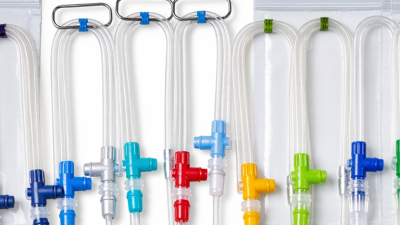
Global healthcare buyers need more than a competitive price when selecting medical devices. A Safety IV Cannula must support secure venous access, consistent performance, and safer handling during routine clinical work. Its design should be assessed closely, including the needle shield, catheter flexibility, flashback chamber, injection port, and protective packaging. Small details can affect workflow, waste, and staff confidence.
This guide presents ten practical Safety IV Cannula buying tips for international procurement teams. It considers product quality, available sizes, sterility assurance, batch traceability, shelf life, and supplier responsiveness. Buyers should review technical files, certificates, labeling, and quality-system evidence, such as ISO 13485 documentation where applicable. Regulatory expectations differ between markets, so local requirements need careful confirmation. A familiar certificate may not cover every destination.
The details matter. Inspect sample packaging for damaged seals, unclear markings, or inconsistent lot information. Ask whether the safety mechanism activates smoothly with one hand. Confirm that catheter sizes match the intended patient groups and clinical settings. Nurses and infection-control specialists can provide valuable feedback during evaluation. Their comments often reveal problems that a product sheet misses.
Cost, lead time, minimum order quantities, and after-sales support also influence the real purchasing value. No checklist is perfect. Even experienced teams can overlook storage conditions or training needs. A cheaper quotation may become expensive after delays, rejected shipments, or poor usability. Careful comparison, documented testing, and transparent supplier communication create a more reliable purchasing decision for hospitals, distributors, and healthcare systems worldwide.
Read more »

 By:Evelyn
- September 18, 2026
By:Evelyn
- September 18, 2026

 By:Amelia
- September 18, 2026
By:Amelia
- September 18, 2026