
MEDICA 2026 | 16–19 November 2026 | Hall 6, Stall F37 | Düsseldorf, Germany
A Blood Control Technology IV Catheter is a peripheral intravenous catheter designed to limit blood leakage during insertion, connection, and disconnection. Its internal valve or blood-control mechanism helps keep the catheter hub cleaner and the clinician’s gloves less exposed. This design matters at the bedside, where a small blood droplet can reach a glove, tray, or gown within seconds. The catheter still requires proper aseptic technique.
The World Health Organization’s Global Report on Infection Prevention and Control (2022) identifies injection and vascular-access practices as important parts of healthcare-associated infection prevention. The U.S. Centers for Disease Control and Prevention also recommends hand hygiene, aseptic insertion, and careful catheter access in its Guidelines for the Prevention of Intravascular Catheter-Related Infections. Blood control technology supports these practices. It does not replace them. That distinction is easy to miss.
Clinically, the technology may improve workflow by reducing blood cleanup and supporting safer catheter exchange. It can also help staff maintain clearer visibility around the hub, especially in busy emergency departments, oncology units, and infusion rooms. However, performance depends on catheter design, connector compatibility, user training, and disposal procedures. Evidence is not perfect. Product claims should therefore be checked against independent testing, regulatory documentation, and local clinical protocols. The U.S. Food and Drug Administration evaluates applicable catheter devices through its medical-device framework, but approval does not guarantee identical performance in every setting. A practical assessment should ask three questions: How does the valve control blood? Does it preserve reliable flow? Can staff use it correctly under pressure? This article explains the structure, operating principle, benefits, limitations, and selection considerations behind a Blood Control Technology IV Catheter.
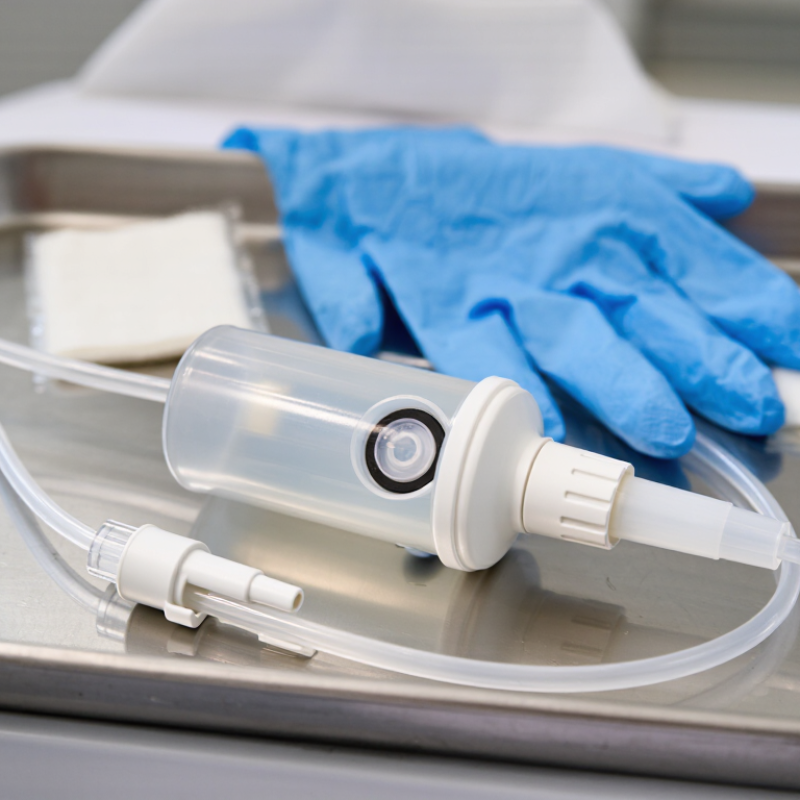
A blood control IV catheter is a short, flexible tube used to access a vein while limiting blood leakage. Its control valve helps reduce blood flow when the needle is removed or an infusion line is disconnected. This design can support a cleaner insertion process, but it does not replace aseptic technique or clinical judgment. Trained healthcare professionals should select and use the catheter according to patient needs and local protocols.
The core components include the soft catheter, introducer needle, blood control valve, hub, extension section, and needle safety feature. The catheter remains in the vein after placement. The needle provides initial support and is then removed safely. The valve responds to pressure changes, helping contain blood inside the system. Some models also include a flashback chamber, which confirms venous access through visible blood return. Small details matter. A loose connection, damaged valve, or unsuitable size can affect performance. It is easy to assume that every blood control mechanism works identically, but that assumption needs checking.
Tips: Inspect the package and catheter before use. Confirm size, sterility, and compatibility with the intended equipment. Maintain hand hygiene and use the prescribed skin preparation method. Watch for swelling, pain, resistance, or poor flow during insertion. Stop and reassess if findings appear unusual. Device instructions can differ, so read them carefully rather than relying only on habit.
A blood control technology IV catheter includes a small valve inside its hub. The valve helps control blood movement when the needle is withdrawn. During insertion, clinicians may still see a blood flashback. That sign can confirm entry into the vessel. After needle removal, however, the valve closes and limits blood escaping through the catheter hub.
This design can make the connection process cleaner. Blood is less likely to drip onto gloves, bedding, or nearby equipment. The valve usually opens when a compatible extension set or syringe is attached. It then permits fluid delivery or blood withdrawal through the established pathway. The effect is practical, not dramatic. It manages reflux; it does not eliminate every drop of blood.
In real clinical settings, careful technique remains essential. Poor vessel selection, movement, high venous pressure, or delayed connection can still cause leakage. A closed valve also does not replace hand hygiene, skin preparation, or proper flushing. Clinicians should check the device instructions and confirm secure connections before infusion. The technology reduces one messy step, but it cannot correct an unstable insertion. That limitation is easy to overlook.
What Is a Blood Control Technology IV Catheter?
About 90% of hospitalized patients receive peripheral intravenous catheters, often called PIVCs. That makes small design details important. A blood control IV catheter helps limit blood leakage during insertion, connection, and catheter removal. Less blood exposure can support cleaner workflows and safer handling at the bedside.
For clinicians, the value is practical. A controlled blood pathway may reduce visible spills on gloves, gowns, linens, and equipment. It can also make the insertion area easier to assess. However, technology does not replace hand hygiene, skin preparation, proper flushing, or sharps safety. Training still matters. So does choosing the right catheter for the patient and procedure. A useful reminder: fewer messes do not automatically mean fewer complications. Infiltration, phlebitis, infection, and failed access still require careful monitoring.
Tips: Check the catheter package and instructions before use. Prepare all supplies within reach. Watch the insertion site for swelling, pain, redness, or leaking. Document difficult access and reassess the line regularly. If blood control performance seems inconsistent, pause and review the technique. Small problems can reveal larger workflow gaps. That is easy to miss.
| Data Dimension | Evidence-Based Information | Why It Matters in Practice | Key Takeaway |
|---|---|---|---|
| Use of peripheral IV catheters (PIVCs) | Approximately 90% of hospitalized patients are reported to receive a peripheral intravenous catheter during their hospital stay. The exact proportion varies by hospital, patient population, and treatment needs. | PIVCs are among the most frequently used invasive devices in acute-care settings, so small safety improvements can affect a large number of patients. | High utilization makes PIVC safety a system-wide priority. |
| Definition of blood control technology | A blood control IV catheter is designed to reduce or stop blood flow through the catheter hub after the needle or introducer is removed, before an extension set or needleless connector is attached. | It helps limit blood exposure during catheter placement and connection, supporting a cleaner and more controlled insertion workflow. | The technology controls blood at the catheter hub. |
| Primary exposure concern | Blood exposure can occur through leakage, dripping, splashing, or contact with contaminated gloves, gowns, linens, procedure trays, and surrounding surfaces. | Reducing visible blood leakage may help decrease cleanup requirements and opportunities for occupational exposure, although standard precautions remain necessary. | Blood control complements—not replaces—standard precautions. |
| Typical clinical applications | PIVCs are commonly used for compatible intravenous fluids, medications, blood products, contrast media, and intermittent or continuous therapy. | The catheter must support the intended therapy while maintaining secure access, appropriate flow, and compatibility with the infusion system. | Selection should match the therapy and the patient’s vein condition. |
| Key design feature | The catheter incorporates an internal valve, mechanism, or flow-control feature intended to reduce blood movement through the hub during connection steps. | The design can make the transition from needle removal to extension-set connection more controlled, depending on the specific device and technique. | The mechanism is intended to improve handling during insertion. |
| Infection-prevention role | Blood control technology primarily addresses blood leakage and handling. It does not by itself prevent catheter-related bloodstream infection. | Infection prevention still depends on hand hygiene, aseptic technique, skin antisepsis, appropriate dressing, hub disinfection, and timely removal when the catheter is no longer needed. | Use blood control as one part of a broader safety bundle. |
| Needle-stick prevention | Blood control technology is different from a needle-safety mechanism. A safety catheter must include a feature designed to reduce accidental needlestick injuries. | Healthcare facilities should evaluate blood control and needle-safety characteristics separately when assessing device performance. | Blood control does not equal sharps protection. |
| Workflow impact | A controlled hub may reduce the need to manage blood leakage while the clinician connects the extension set or needleless connector. | A more predictable workflow may support consistent technique, reduce interruptions, and simplify handling at the bedside. | Workflow benefits depend on training and correct use. |
| Limitations | Blood control may not completely eliminate blood exposure. Performance can vary with catheter orientation, connection technique, device design, patient factors, and damage or obstruction. | Clinicians must continue to use gloves and other personal protective equipment based on the anticipated exposure and follow local procedures. | Treat the feature as risk reduction, not risk elimination. |
| Evaluation criteria | Important evaluation points include blood-control performance, catheter material and gauge options, extension-set compatibility, flashback visibility, insertion feel, securement, user training, and regulatory clearance. | A device should be assessed in the actual clinical workflow rather than by a single feature or laboratory claim. | Compare total clinical value, not only product specifications. |
| Overall significance | Because PIVCs are used so widely, reducing blood leakage during routine insertion can support occupational safety, environmental cleanliness, and standardized bedside practice. | The greatest benefit is expected when the technology is combined with competency-based training, aseptic technique, appropriate PPE, and ongoing quality monitoring. | High-volume procedures justify practical, evidence-based safety improvements. |
Note: The approximately 90% utilization figure is a commonly cited estimate for hospitalized patients receiving PIVCs; actual rates vary across clinical settings. Blood control technology should be used together with applicable institutional policies, standard precautions, and manufacturer instructions for use.
What Is a Blood Control Technology IV Catheter?
Clinical Context: Peripheral IV Catheter Failure Rates Reach 35%–69%
Peripheral intravenous catheters often fail before treatment ends. Published reviews commonly report failure rates from 35% to 69%, depending on patients, dwell time, and study design. In a large international study, Alexandrou et al. recorded approximately 40% failure across more than 40,000 peripheral catheters (The Lancet, 2018). That means a patient may experience swelling, leakage, pain, or an unexpected replacement during an ordinary hospital stay.
The number is uncomfortable.
A blood control IV catheter uses an internal valve or sealing mechanism to limit blood flow when the needle is withdrawn. During insertion, this can reduce blood dripping onto gloves, bedding, and nearby equipment. It may also make the connection process calmer in a crowded treatment area. However, blood control does not eliminate catheter failure. Vein condition, catheter movement, poor securement, irritating medication, and insertion technique remain important factors. The Infusion Nurses Society’s Infusion Therapy Standards of Practice emphasizes assessment, stabilization, and regular site monitoring, not technology alone. Some published failure estimates also combine different clinical settings, which makes direct comparison imperfect. That limitation deserves attention. A cleaner insertion is useful, but reliable outcomes still depend on trained clinicians, suitable vein selection, and visible checks around the insertion site.
Clinical context: reported peripheral IV catheter failure rates range from 35% to 69%.
The chart shows the lower and upper bounds of the reported failure-rate range. A blood-control IV catheter is designed to help reduce blood exposure during catheter insertion, connection, or disconnection; performance depends on clinical technique, catheter dwell time, patient factors, and the care environment.
Data context: reported peripheral IV catheter failure-rate range of 35%–69%; values represent a literature-reported range, not a direct comparison between products or brands.
What Is a Blood Control Technology IV Catheter?
Step-by-Step Use: Insertion, Connection, Flushing, and Removal
A blood control IV catheter is designed to limit blood leakage after needle withdrawal. It does not remove the need for gloves, hand hygiene, or sharps safety. Only trained clinicians should use it, following local policy and the device instructions.
Before insertion, verify the patient, prescription, allergies, and catheter size. Explain the procedure in clear language. Apply a tourniquet, select a suitable vein, and allow the antiseptic to dry fully. Insert the catheter with the bevel facing upward. After blood return appears, lower the angle and advance the catheter gently. Never reinsert the needle into the catheter. Activate the blood control feature as instructed, then dispose of the needle immediately in a sharps container.
Connect a primed extension set without touching sterile ends. Release the tourniquet, secure the catheter, and check the site. Flush slowly with the approved solution and volume. Stop if resistance, swelling, leakage, or unusual pain occurs. Blood control reduces mess, but it cannot prevent every exposure. That detail is easy to underestimate.
For removal, stop the infusion and perform hand hygiene. Put on gloves, remove the dressing, and withdraw the catheter smoothly. Apply gentle pressure until bleeding stops. Inspect the catheter to confirm it is intact, then cover the site and document the procedure. If the process feels routine, pause anyway. Small lapses often happen during familiar tasks.
It is a peripheral IV catheter with a small valve inside its hub. The valve controls blood movement after needle withdrawal. Not completely.
During insertion, blood flashback may confirm vessel entry. After needle removal, the valve closes and limits blood escaping through the hub. It usually opens when a compatible syringe or extension set connects.
No. It reduces reflux but cannot stop every drop. Delayed connections, movement, high venous pressure, or poor insertion can still cause leakage.
It may reduce blood on gloves, bedding, gowns, and nearby equipment. The connection area can feel cleaner and easier to inspect. The benefit is practical.
No. It does not prevent infiltration, phlebitis, infection, pain, or failed access. Vein condition, securement, medication effects, and technique remain important.
About 90% of hospitalized patients receive peripheral IV catheters. Small design improvements can affect many bedside procedures.
Published estimates commonly range from 35% to 69%. Rates vary by patient group, dwell time, and study design. The number is uncomfortable.
Check for swelling, pain, redness, leaking, and unusual discomfort. Confirm secure connections before infusion. Reassess the site regularly and document difficult access.
No. Clinicians still need hand hygiene, skin preparation, safe flushing, and sharps precautions. A cleaner connection does not guarantee safer care.
Pause and review the technique, equipment, and connection timing. Check the instructions for use. A small leak may reveal a larger workflow problem.
A Blood Control Technology IV Catheter is a peripheral intravenous catheter designed to reduce blood reflux during IV access. Its key feature is an integrated valve that helps limit blood movement back through the catheter when the needle or syringe is connected, disconnected, or repositioned. By helping keep the access pathway cleaner, this design may support more controlled handling and reduce unnecessary blood exposure during routine procedures. Since approximately 90% of hospitalized patients receive peripheral IV catheters, reliable blood-control performance is important in many clinical settings.
Peripheral IV catheter failure rates can reach 35%–69%, making correct technique essential. Use generally involves preparing the site, inserting the catheter, confirming access, connecting the infusion or extension set, flushing according to established clinical procedures, and removing the catheter safely when it is no longer needed. Careful assessment, securement, regular monitoring, and adherence to facility protocols help support effective catheter function and patient safety throughout the IV therapy process.