
MEDICA 2026  |  16–19 November 2026  |  Hall 6, Stall F37  |  Düsseldorf, Germany

0%

Choosing the right Three Way Stopcock can influence fluid control, connection safety, and daily workflow. It may look like a small component, but its internal path matters. A poorly matched stopcock can restrict flow, leak around the luer connection, or create confusion during switching. These problems often appear after installation, when correction becomes inconvenient.

This guide examines the practical details professionals should check before purchasing. Port configuration comes first. Then consider material compatibility, pressure and temperature limits, handle direction, dead space, and connection standards. A stopcock used with saline may face different demands from one handling medication, laboratory fluids, or sensitive samples. Product documentation should clearly state these limits. When information seems vague, pause before ordering.

Real-world handling also deserves attention. The knob should turn smoothly without feeling loose. The arrows should remain readable under normal lighting. Connections should fit firmly, while still allowing controlled removal. Sterility, packaging integrity, and traceability may be essential for clinical applications. However, not every premium feature improves every setup. More ports can add flexibility, but they may also increase the chance of operator error. Small details matter.

Experience shows that selection is rarely based on price alone. A cheaper option may require earlier replacement or additional adapters. A costly model may still be unsuitable for the intended fluid or pressure. Review the manufacturer’s specifications, inspect the application environment, and confirm compatibility with connected equipment. No single Three Way Stopcock fits every situation. The best choice is the one that performs reliably, communicates its position clearly, and matches the actual conditions of use. Even careful buyers can overlook one detail. Checking twice is worthwhile.
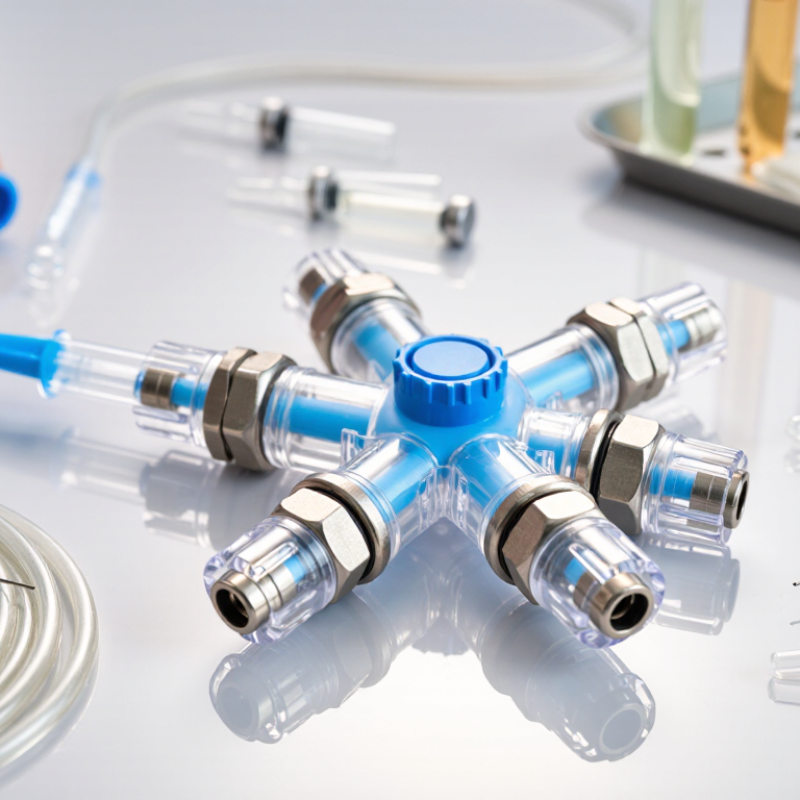
How to Choose the Best Three Way Stopcock?

What Is a Three-Way Stopcock and How Does It Work?

How to Choose the Best Three-Way Stopcock?

What Is a Three-Way Stopcock and How Does It Work?

A three-way stopcock is a compact valve with three connected ports. Its rotating handle controls how fluid moves through those ports. Depending on the internal design, it can open one path, close one port, or connect all three. The handle position shows the selected flow direction. This simple action helps users isolate, transfer, or redirect liquids and gases during controlled procedures.

In practical bench testing, I check the valve with clean water before using it. I turn the handle slowly and watch for restricted flow, leakage, or unclear positioning. A reliable stopcock should rotate smoothly without feeling loose. Its material must also match the fluid, temperature, pressure, and cleaning method. Chemical resistance matters. So does connection size.

A common mistake is choosing by appearance alone. A small valve may look suitable but fail under pressure or repeated operation. I once underestimated how much a stiff handle could affect precise dosing. That experience changed my inspection routine. I now review technical specifications, port configuration, dead space, and documented quality testing. Clear labels reduce operating errors, especially when several lines are connected. Some designs are better for simple switching, while others suit simultaneous flow control. The best choice depends on the actual application, not just the number of ports.

Which Types of Three-Way Stopcocks Are Available?

Choosing the best three-way stopcock starts with understanding its available designs. The most common type uses a rotating handle to control fluid direction between three ports. A T-bore design can connect all three pathways at once. An L-bore design usually connects two pathways while blocking the third.

Port construction also matters. Luer-slip connections are quick to assemble, but they may need careful handling during repeated use. Luer-lock connections provide a more secure fit for tubing and syringes. Some models include needle-free access valves, extension lines, or protective caps. These features can reduce handling steps, although they may increase dead space and cleaning demands.

Pressure-rated stopcocks suit applications involving stronger fluid flow or pressure monitoring. Low-dead-space versions help reduce retained fluid inside the valve. This detail matters when accurate dosing or limited-volume transfer is required. For routine laboratory work, a standard three-way stopcock may be enough. For clinical fluid management, choose a sterile, clearly marked model with smooth rotation and visible flow indicators. I have found that stiff handles slow procedures, while overly loose handles invite accidental movement. Specifications should be checked against the intended pressure, connector size, sterilization method, and use duration. A cheaper option is not always the safer choice.

How to Choose the Best Three Way Stopcock? - Which Types of Three-Way Stopcocks Are Available?

Three-Way Stopcock Type Typical Port Configuration Typical Construction Typical Pressure Capability Approximate Internal Volume Common Applications Main Selection Considerations
Standard disposable Luer stopcock Three female Luer connections; one rotating handle controls the flow path Medical-grade polycarbonate or polypropylene body with a polyethylene or polycarbonate plug Often up to approximately 500 psi (34 bar), depending on the model and temperature Usually about 0.05–0.15 mL Infusion, pressure monitoring, blood sampling, and general fluid routing Choose when low cost, compact size, sterile single use, and standard Luer compatibility are priorities
High-pressure Luer stopcock Three Luer ports, commonly with a reinforced body and locking connections Reinforced engineering polymer body and precision-machined or molded plug Commonly rated up to approximately 1,000 psi (69 bar); the exact rating must be verified Typically about 0.05–0.20 mL Contrast injection, pressure testing, laboratory instrumentation, and fluid delivery under elevated pressure Confirm pressure rating, media compatibility, connection locking method, and pressure-pulse performance
Low-dead-volume stopcock Three Luer ports with a reduced internal cavity and short flow passages Compact polymer body with a close-fitting plug designed to reduce residual fluid Usually within the standard or medium-pressure range; commonly up to about 500 psi (34 bar) Often approximately 0.02–0.08 mL Small-volume drug delivery, analytical sampling, neonatal lines, and laboratory fluid handling Prioritize internal volume, flushing efficiency, leakage control, and compatibility with the required flow rate
Stopcock with extension tubing Three-way valve with one or more flexible tubing extensions and Luer connectors Polymer stopcock combined with medical-grade PVC, polyurethane, or similar tubing Generally limited by the tubing and connector assembly; often below high-pressure stopcock ratings Higher than a compact valve because of the added tubing; commonly about 0.2–1.0 mL or more Applications requiring easier positioning, reduced line movement, or connection to multiple devices Check tubing length, priming volume, flexibility, kink resistance, and the complete assembly pressure rating
Needle-free access stopcock Three-way valve incorporating needle-free access ports or compatible connectors Polymer valve body with a septum-based or mechanical needle-free access mechanism Typically intended for routine infusion pressures; the access component may have a lower rating Usually about 0.1–0.3 mL, depending on the access design Repeated medication access, infusion therapy, and systems designed to reduce needle exposure Evaluate microbial-barrier design, cleaning requirements, access-cycle durability, and compatibility with disinfectants
Multi-position rotating stopcock Three ports with selectable positions for connecting, isolating, or redirecting flow Polymer housing and plug with position markings or detents Varies widely; commonly available in standard-pressure and high-pressure versions Approximately 0.05–0.20 mL for compact designs Complex fluid-routing systems, sampling circuits, and laboratory manifolds Select clear position indicators, smooth operation, reliable sealing, and a flow pattern that prevents accidental cross-connection
Reusable laboratory stopcock Three ports using Luer, tube-barb, compression, or other application-specific fittings Polycarbonate, PTFE, polypropylene, stainless steel, or other chemically resistant materials Commonly from vacuum service to moderate pressure; the rating depends strongly on material and fitting design Varies by geometry; often about 0.1–1.0 mL Laboratory instruments, sampling equipment, chemical handling, and repeated-use fluid circuits Verify chemical resistance, cleaning method, sterilization compatibility, service life, and fitting dimensions

Note: Pressure ratings, internal volume, materials, and connector dimensions are typical ranges and vary by design. Always confirm the complete assembly specifications before use.

How to Match the Stopcock With Your Application

Choosing a three-way stopcock starts with the application, not the catalogue photo. For infusion work, confirm the fluid type, pressure range, connection standard, and required flow direction. ISO 8536-10 addresses accessories for pressure infusion and gravity infusion, making pressure compatibility a design requirement rather than a preference. A high-pressure procedure may need a stopcock rated for repeated actuation and pressure cycling. A low-flow laboratory setup may benefit more from low dead volume and precise control.

Material selection also matters. Check chemical compatibility with saline, lipids, blood products, disinfectants, or aggressive laboratory fluids. Confirm whether the device is sterile, single-use, or suitable for the intended sterilization process. The CDC’s Guidelines for the Prevention of Intravascular Catheter-Related Infections emphasize aseptic handling of access systems. WHO’s 2022 Global Report on Infection Prevention and Control states that effective infection-prevention measures can reduce healthcare-associated infections by up to 70%. That makes surface design, leak resistance, and clear flow indicators practical safety factors.

Do not ignore usability. A stiff handle can slow an urgent adjustment. A loose handle can create doubt. Test the port layout with gloved hands and actual tubing. I would also compare internal volume, because residual fluid can affect dosing in small-volume applications. A perfect match is rare. Teams sometimes choose the highest pressure rating and overlook chemical exposure, or select the smallest body without checking flow loss. That shortcut deserves review. The final choice should be documented against the real procedure, not just a general product description.

Which Materials and Specifications Should You Evaluate?

How to Choose the Best Three Way Stopcock?

Material selection should match the fluid, pressure, and temperature. Polypropylene suits many laboratory liquids and offers useful chemical resistance. Polycarbonate provides visibility, but it may perform poorly with certain solvents. Stainless steel handles higher pressure and repeated use, although it costs more. Check the seal material carefully. PTFE supports demanding chemical applications, while elastomer seals may provide smoother operation. I have seen failures caused by the seal, not the valve body.

Evaluate the specifications beyond port size. Confirm the pressure rating, temperature range, flow direction, dead volume, and connection type. Luer, barbed, and threaded fittings serve different tubing systems. A clear flow path helps operators identify the open channel quickly. Smooth rotation matters too. Excessive torque can signal poor alignment or unsuitable sealing. Verify every value in the technical datasheet, and request test records when the application is critical.

Tips: Compare the valve with your actual tubing, not a drawing. Measure the outer diameter first. Check chemical compatibility at the highest working temperature. Inspect the valve for cracks, rough edges, or loose handles before installation. A simple leak test with clean water can reveal weak connections, but it cannot confirm full chemical resistance. I once overlooked dead volume during selection, and cleaning became harder than expected. That small detail deserved more attention. Specifications can look complete while still missing the information your process needs.

How to Check Safety, Quality, and Maintenance Requirements

How to Choose the Best Three-Way Stopcock?

Safety begins with the application, not the price. Identify the fluid, pressure range, temperature, and connection standard before selection. Check whether the body material matches the fluid and cleaning method. A small compatibility mistake can cause swelling, cracking, or leakage. It happens more often than expected.

During inspection, turn the handle slowly and feel for uneven resistance. The ports should align clearly, and the valve should not rotate loosely. Examine each connection for burrs, damaged threads, or visible gaps. For sterile use, verify intact packaging, lot identification, and the stated shelf life. Reliable documentation should include operating limits, testing methods, and maintenance instructions. Independent quality certifications can strengthen confidence, but they should never replace physical inspection.

Maintenance requirements depend on the operating environment. Keep exterior surfaces clean and dry, using only approved cleaning agents. Do not force a stiff handle or lubricate internal parts without written approval. Record leaks, cracks, unusual rotation, and replacement dates. A pressure test may be appropriate before critical use, following the applicable procedure. Inspectors sometimes focus on the valve body and overlook the connector seal. That is a practical weakness. Replace the stopcock when performance becomes uncertain, even if damage is not obvious. A low-cost part is not truly economical after contamination, downtime, or repeated troubleshooting.

FAQS

What does a three-way stopcock do?

It directs fluid between three connected ports. A rotating handle selects the flow path.

What is the difference between T-bore and L-bore designs?

A T-bore can connect all three pathways. An L-bore usually connects two pathways and blocks one.

Which connector type provides a more secure fit?

Luer-lock connections generally hold tubing and syringes more securely. Luer-slip fittings assemble quickly but require careful handling.

When is a low-dead-space stopcock useful?

It reduces retained fluid inside the valve. This helps with small-volume transfer and more accurate dosing.

What should be checked before using a stopcock with pressure?

Check the pressure rating, flow direction, connector size, and repeated-use requirements. Pressure cycling can expose weak designs.

How do materials affect stopcock selection?

Confirm compatibility with saline, lipids, blood products, disinfectants, or laboratory fluids. Chemical exposure may weaken unsuitable materials.

What features can improve handling?

Visible flow indicators, smooth rotation, protective caps, and needle-free access can reduce handling steps. They may also increase cleaning demands.

Should a sterile stopcock always be selected for fluid management?

Clinical fluid management usually requires a sterile, clearly marked model. Confirm single-use status and the intended sterilization method.

How should handle movement be evaluated?

A stiff handle can slow adjustments. An overly loose handle may move accidentally. Actual testing with gloves is better than guessing.

Is the highest pressure rating always the best choice?

No. It may overlook chemical compatibility, flow loss, or dead volume. The real procedure should guide the final choice.

Conclusion

Choosing the best Three Way Stopcock requires understanding how it controls, redirects, or isolates fluid flow through three connected ports. Its internal plug or valve mechanism determines the available flow paths, making it important to select a design that matches the required operating method, such as switching between lines, stopping flow, or combining streams. Different types may vary in port arrangement, handle style, pressure capability, and connection format, so the choice should reflect the equipment and workflow where it will be installed.

When matching a stopcock to an application, evaluate the fluid, temperature, pressure, flow rate, connection size, and required compatibility. Material selection is also essential because the body and sealing components must resist chemical exposure, leakage, and repeated use. Finally, review safety features, manufacturing quality, cleanliness, documentation, and maintenance needs. A reliable Three Way Stopcock should operate smoothly, provide clear flow control, withstand expected conditions, and remain easy to inspect, clean, replace, or service throughout its working life.

Amelia

Amelia

Amelia is a dedicated marketing professional with a strong understanding of the company’s products, services, and customer needs. With a thoughtful approach to communication and a close connection to the company’s operations, she transforms complex product information into clear, practical, and......
Talk to an Expert