MEDICA 2026  |  16–19 November 2026  |  Hall 6, Stall F37  |  Düsseldorf, Germany

Technical Sourcing & B2B Procurement Authority

The Definitive Guide to DEHP-Free Infusion Sets: Clinical Safety, Regulatory Compliance, Material Science Evolution, and Global OEM Procurement Trends

An executive engineering & clinical analysis for healthcare buyers, hospital procurement boards, and medical device distributors navigating the global transition away from toxic phthalate plasticizers.

EU MDR 2017/745 CompliantISO 8536-4 StandardBiocompatible (ISO 10993)TOTM / DINCH / Polyolefin TubingFactory-Direct OEM
Zero Phthalate LeachingValidated DEHP-Free & Non-PVC compounds for high-risk clinical wards
Vertical ManufacturingTooling, moulding, extrusion & EO sterilisation in Sonepat, India
100+ Export DestinationsCE Mark, ISO 13485:2016, Free Sale & Batch-wise CoA documentation
OEM / Private Label DeskTailored drop factors, gauge mixes, length & UDI barcode integration
Industry Insight & Technical Analysis

Why Healthcare Procurement is Rapidly Phasing Out DEHP Plasticized IV Sets

Understanding chemical leaching dynamics, regulatory mandates (EU MDR Annex I 10.4.1), clinical risks in oncology and neonatology, and factory-level procurement strategies.

In modern clinical intravenous (IV) therapy, the material composition of fluid delivery channels is no longer considered a passive component of patient care. Historically, Polyvinyl Chloride (PVC) plasticized with Di(2-ethylhexyl)phthalate (DEHP) served as the global standard for flexible medical tubing, drip chambers, and solution bags. DEHP added necessary flexibility and kink-resistance to rigid PVC polymers at low manufacturing costs. However, extensive clinical research and toxicological studies over the last two decades have conclusively demonstrated that DEHP is not covalently bound to the PVC polymer matrix. Consequently, it readily leaches into lipophilic medical solutions, blood products, lipid emulsions, and oncology therapeutics during routine infusion procedures.

This fundamental material vulnerability presents serious health risks to vulnerable patient demographics—specifically neonates, pediatric intensive care unit (PICU) patients, pregnant or lactating women, oncology patients undergoing chemotherapy with taxane-based drugs, and chronic hemodialysis patients. As global regulatory bodies like the European Medicines Agency (EMA), US FDA, and Health Canada enforce strict guidelines regarding endocrine-disrupting chemicals (EDCs), hospital procurement boards are actively revising tender specifications to mandate DEHP-Free Infusion Sets and Non-PVC IV Tubing Systems. This technical briefing provides global buyers, hospital procurement managers, and medical distributors with the information gain required to evaluate material alternatives, assess supplier capabilities, and execute seamless OEM procurement strategies.

Key Takeaway for B2B Procurement Directors:

DEHP leaching is accelerated up to 40-fold when infusing fat emulsions (TPN), paclitaxel, docetaxel, and cyclosporine. Upgrading your hospital supply chain or product portfolio to certified DEHP-free infusion sets mitigates clinical liability, ensures compliance with EU MDR Annex I requirements, and aligns with progressive international healthcare purchasing trends.

The Chemical Mechanism & Toxicity Profile of DEHP Leaching

To fully grasp the clinical imperative driving the market shift toward DEHP-free medical disposables, procurement specialists must understand the chemical and biological behavior of phthalates. DEHP acts as an external plasticizer; it inserts itself between the PVC polymer chains, increasing distance and mobility without forming chemical bonds. When lipophilic fluids—such as total parenteral nutrition (TPN) lipid emulsions, intravenous fat emulsions (IVFE), propofol formulations, or surfactant solutions—pass through standard PVC tubing, DEHP rapidly dissolves out of the plastic and enters the patient's bloodstream.

Once inside the human metabolic system, DEHP is hydrolyzed into its primary active metabolite, Mono(2-ethylhexyl)phthalate (MEHP). Both DEHP and MEHP are classified as potent endocrine disruptors that disrupt androgenic and thyroid signaling pathways. Clinical implications include:

  • Reproductive & Developmental Toxicity: Testicular atrophy, impaired spermatogenesis, hypospadias, and altered neurodevelopment in male neonates and fetuses exposed during critical gestational windows.
  • Hepatotoxicity & Metabolic Disruption: Peroxisome proliferator-activated receptor (PPAR) activation leading to hepatic parenchymal damage, lipid dysregulation, and altered drug metabolism.
  • Cardiopulmonary Toxicity: Increased incidence of respiratory distress syndrome (RDS), pulmonary hypertension, and cardiac arrhythmias in pediatric ICU patients undergoing prolonged mechanical ventilation and extracorporeal membrane oxygenation (ECMO).
  • Oncology Interactions: Drug degradation and therapeutic failure caused by chemical interactions between leached DEHP and lipophilic chemotherapy agents (e.g., Paclitaxel), alongside increased systemic toxicity burdens on already compromised patients.

Global Regulatory Directives & Compliance Standards

The global regulatory landscape for medical disposables has reached a decisive tipping point. Procurement managers must verify that supplier technical documentation reflects adherence to the following regulatory frameworks:

Regulatory Body / Standard Directive / Requirement Impact on IV Infusion Set Procurement
European Union MDR 2017/745 Annex I Section 10.4.1 mandates justification for presence of CMR 1A/1B and Endocrine Disrupting Substances > 0.1% w/w. Renders standard DEHP-PVC sets non-compliant for pediatric, neonatal, and oncology applications in the EU without extraordinary clinical justification.
REACH Regulation (EC 1907/2006) Inclusion of DEHP on the Authorisation List (Annex XIV) and Substances of Very High Concern (SVHC) candidate list. Imposes strict reporting, authorization, and customer notification duties across European medical supply chains.
US FDA Public Health Notifications Recommends replacing DEHP-containing devices with DEHP-free alternatives for high-risk procedures and vulnerable patient groups. Drives US hospital group purchasing organizations (GPOs) to mandate DEHP-free options in core supply contracts.
ISO 8536-4 / ISO 8536-8 International technical standards specifying physical, chemical, and functional requirements for single-use infusion sets. Defines baseline parameters for flow rate accuracy, drip chamber calibration, tensile strength, and leak resistance.
ISO 10993 Series Comprehensive biological evaluation of medical devices (cytotoxicity, systemic toxicity, hemocompatibility, extractables/leachables). Requires rigorous chemical characterization data verifying non-detectable phthalate migration under simulated clinical use.
Send an Inquiry
Precision Engineering Portfolio

Lars Medicare DEHP-Free & Non-PVC Infusion Systems

Engineered with alternative plasticizers (TOTM, DINCH) and advanced non-PVC polymers (TPU, Polyolefin) to guarantee total biocompatibility without compromising physical flexibility or flow performance.

DEHP-Free Standard IV Infusion Set icon

DEHP-Free Standard IV Infusion Set

Phthalate-free medical PVC formulated with TOTM (Tri-octyl trimellitate) plasticizer. Provides exceptional transparency, kink-resistance, and complete freedom from DEHP migration.

  • 20 drops/ml macro-drip or 60 drops/ml micro-drip chamber
  • Hydrophobic air-inlet filter with protective cap
  • Precision roller clamp for stable, continuous flow control
  • ISO 80369-7 compliant Luer lock connector
Non-PVC Polyolefin Oncology Infusion Set icon

Non-PVC Polyolefin Oncology Infusion Set

100% PVC-free and phthalate-free multilayer polyolefin tubing specifically engineered for paclitaxel, taxotere, propofol, and sensitive chemotherapeutic infusions.

  • Zero drug adsorption / absorption for volatile compounds
  • Light-protected (amber/UV-blocking) tubing options
  • Integrated 0.22 µm or 1.2 µm inline polyethersulfone filter
  • Needle-free Y-injection port to eliminate sharps injury
DEHP-Free Measured Volume Burette Set icon

DEHP-Free Burette Infusion Set

Precision volumetric infusion system (100 ml / 150 ml) featuring DEHP-free chamber and tubing designed for delicate pediatric and neonatal fluid management.

  • Calibrated cylindrical burette with automatic shut-off valve
  • Micro-drip drop factor (60 drops = 1 ml ± 0.1 ml)
  • Latex-free injection site & floating indicator ring
  • EO sterilised, individually pouch packed
DEHP-Free Dial Flow Regulator Infusion Set icon

DEHP-Free Set with Dial Flow Regulator

Combines phthalate-free tubing with an integrated calibrated flow regulator (range 5 to 250 ml/hr) for precise gravity-fed infusion without expensive pumps.

  • Dual-scale dial calibration for accurate delivery rates
  • Soft, clear DEHP-free extension line
  • Prevents accidental over-infusion risks
  • Kink-resistant medical grade elastomer construction
Safety IV Catheter & Closed Access Accessories icon

Safety IV Catheter & Extension Line

DEHP-free and latex-free extension sets with integrated needle-free valves and passive safety IV cannulas for leak-proof closed venous access.

  • High-pressure rated polyurethane (PUR) extension tubing
  • Blood control technology prevents flashback contamination
  • ISO 80369-7 Luer lock compatibility
  • Sterility assured via validated EO processes
Lipid-Resistant Three Way Stopcock icon

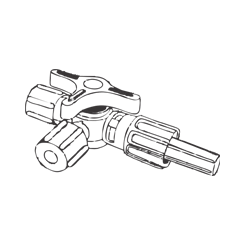
Lipid-Resistant 3-Way Stopcock Set

Polycarbonate 3-way stopcocks combined with DEHP-free extension lines for multi-drug infusion protocols requiring chemical stress-crack resistance.

  • Resistant to lipid destruction & alcohol cracking
  • 360-degree rotation handle with tactile stop points
  • Zero dead-space design minimizes drug loss
  • Custom length DEHP-free tubing options

Material Science Breakdown: Comparing Plasticizer Alternatives & Non-PVC Polymers

When evaluating DEHP-free medical disposables, technical buyers must distinguish between DEHP-substituted PVC and 100% Non-PVC materials. Each resin formulation delivers distinct physical properties, chemical resistance profiles, and cost structures. Below is an engineering comparison of primary alternative compounds used in Lars Medicare manufacturing lines:

Polymer / Plasticizer Class Chemical Profile Advantages Clinical Best Use
TOTM-Plasticized PVC Tri-octyl trimellitate plasticizer blended with medical PVC. High molecular weight ensures exceptionally low migration rates; maintains traditional PVC softness, clarity, and kink resistance. General IV infusion, blood transfusion, intensive care wards, and routine hospital administration.
DINCH-Plasticized PVC 1,2-Cyclohexane dicarboxylic acid diisononyl ester (non-phthalate). Extensively evaluated tox profile; approved by EU MDR & US FDA for sensitive medical applications. Excellent clarity. Pediatric IV sets, enteral feeding lines, respiratory therapy tubing, and hemodialysis circuits.
Multilayer Polyolefin (PE/PP) Co-extruded polyethylene / polypropylene inner contact layer without PVC. Zero plasticizers, zero leaching risk, complete chemical inertness. No drug adsorption of paclitaxel or nitroglycerin. Oncology chemotherapy, lipophilic drug delivery, ICU specialty infusions, and biopharmaceutical administration.
Thermoplastic Polyurethane (TPU) Aromatic or aliphatic polyurethane elastomers without plasticizer additives. High tensile strength, superior bio-stability, excellent lipid resistance, and smooth surface morphology. High-pressure infusion lines, central venous access extension sets, and long-term indwelling catheters.

Drug Adsorption vs. Drug Absorption: The Hidden Risk in Infusion Therapy

Beyond toxic leaching, material selection directly impacts therapeutic efficacy. Standard PVC tubing exhibits high binding affinity for lipophilic and hydrophobic active pharmaceutical ingredients (APIs). This phenomenon occurs via two distinct pathways:

  • Absorption: The drug molecule penetrates into the interior polymer matrix of the tubing, causing up to 80% loss of active drug concentration during low-flow infusions (e.g., Nitroglycerin, Isosorbide Dinitrate, Diazepam).
  • Adsorption: The drug adheres to the interior surface wall of the fluid pathway, reducing delivered dosage in micro-infusions (e.g., Insulin, Tacrolimus, Fentanyl).

Lars Medicare’s Non-PVC Polyolefin Infusion Sets utilize non-polar polyethylene inner linings that prevent molecular binding. This ensures that 100% of the prescribed pharmaceutical dosage reaches the patient’s systemic circulation without loss of potency or chemical degradation.

Quality Assurance & Biocompatibility Validation:

Every lot of Lars Medicare DEHP-Free Infusion Sets undergoes comprehensive extractables and leachables testing via Gas Chromatography-Mass Spectrometry (GC-MS) and High-Performance Liquid Chromatography (HPLC). Biocompatibility is validated per ISO 10993 (Cytotoxicity, Hemolysis, Systemic Toxicity, Sensitization, and Intracutaneous Reactivity).

Future Procurement & Global Market Evolution Trends (2025–2035)

As the medical disposable industry undergoes rapid technological and regulatory transformations, healthcare procurement directors must anticipate emerging procurement trends to ensure future-proof supply chains. Key market drivers reshaping the landscape include:

1. Universal Hospital Ban on Phthalates & Mandatory Tender Clauses

Public health authorities across Europe, North America, the Middle East, and East Asia are transitioning from "preferred DEHP-free purchasing" to strict mandatory bans. Tenders issued by national health service boards now explicitly disqualify tenders containing DEHP or DINP in pediatric, neonatal, and oncology categories. Importers and hospital suppliers must proactively update their catalogue offerings to remain eligible for public hospital procurement contracts.

2. Transition to Smart Infusion Systems & Closed-Loop Safety

The integration of micro-infusion pumps and smart flow regulators demands precise tubing inner dimensions and uniform elasticity. DEHP-free PVC formulated with advanced trimellitates (TOTM) maintains linear peristaltic pump performance over 72+ hours of continuous operation without material fatigue or dimensional alteration, preventing flow rate drift and pump alarms.

3. Sustainability, PVC Recovery, and Eco-Friendly EO Packaging

Environmental, Social, and Governance (ESG) criteria are becoming core metrics in medical procurement. Standard PVC disposal via incineration generates toxic dioxins and hydrochloric acid gas. Non-PVC polyolefin tubing and DEHP-free recyclable polymers support hospital green purchasing initiatives by enabling clean energy recovery during waste disposal. Furthermore, Lars Medicare is pioneering reduced-footprint thermoformed blister packages that minimize plastic packaging mass while maintaining 5-year sterility barriers.

4. Nearshoring & Integrated Manufacturing Resilience

Global logistics disruptions have exposed the vulnerability of multi-tiered OEM supply networks. Future-proof procurement favors vertically integrated manufacturers capable of performing tooling, precision extrusion, automated cleanroom assembly, and ethylene oxide (EO) sterilisation inside a single controlled facility. This eliminates multi-vendor dependencies, shortens lead times, and enforces uninterrupted quality surveillance.

Send an Inquiry
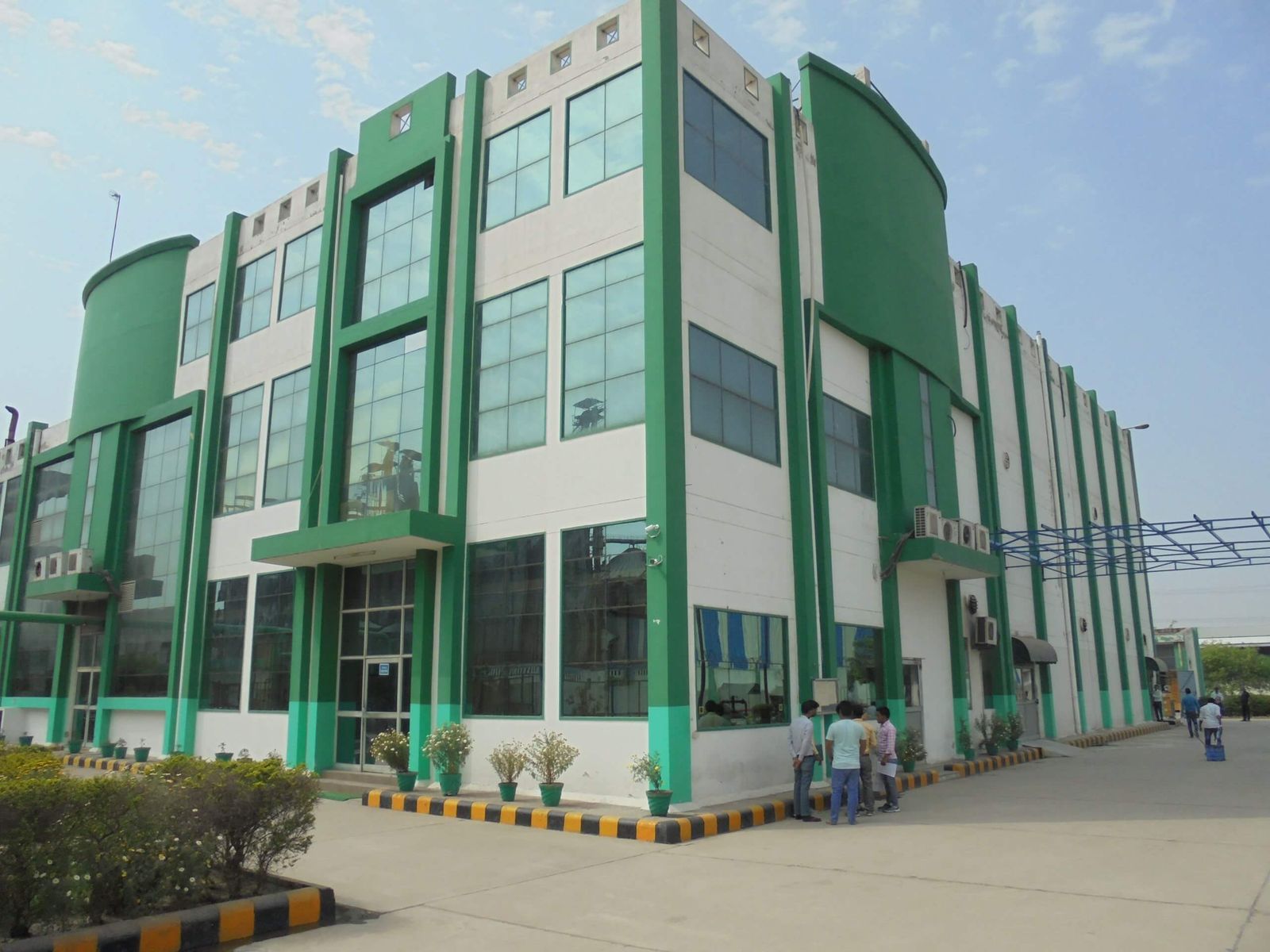
Lars Medicare clean-room production line for medical disposables in Sonepat, India Quality inspection of IV infusion set components
Enterprise Manufacturing Advantages

Why Global Healthcare Distributors Trust Lars Medicare

Established in 2005, Lars Medicare Private Limited operates a fully integrated, state-of-the-art manufacturing infrastructure in Sonepat (Haryana, India), backed by corporate sales hubs in New Delhi and Milton, Canada. Our facility is engineered to execute every critical operation under one roof, guaranteeing batch-to-batch consistency for global buyers in 100+ countries.

  • In-House Tooling & Precision Moulding: Custom drip chamber dies, drop factors (10, 20, 60 d/ml), and needle-free ports developed without vendor delays.
  • ISO Class 7 & Class 8 Cleanrooms: Automated extrusion and high-speed assembly line operating under strict microbiological and particulate control.
  • In-House EO Sterilisation Chamber: Fully validated Ethylene Oxide sterilisation cycles with continuous biological indicator monitoring and residual EO gas analysis.
  • Turnkey OEM & Private-Label Services: Complete regulatory support, custom pouch artwork, multilingual IFUs, and UDI-compliant barcoding for rapid market entry.
Send an Inquiry
0+
Years Manufacturing Excellence
0+
Global Export Markets
0+
Active Distributors & Hospital Partners
0
Core Medical Disposables Families
Executive Accountability

Leadership Committed to Regulatory & Quality Excellence

Direct communication with our senior executive team guarantees quick technical resolutions, transparent contract terms, and dependable delivery schedules.

Sanjay Goel, Managing Director, Lars Medicare

Sanjay Goel

Managing Director

Drives global manufacturing strategy, polymer research, and factory automation, ensuring all production lines meet international CE and ISO 13485 mandates.

Sakshi Goel, Director, Lars Medicare

Sakshi Goel

Director

Directs international distributor expansion, strategic OEM key accounts, and regulatory dossier compliance across Europe, Latin America, and Asia-Pacific.

Sameer Hingorani, Business Head North America, Lars Medicare

Sameer Hingorani

Business Head – North America

Manages North American supply agreements, logistics fulfillment, and distributor customer support from our Milton, Ontario regional headquarters.

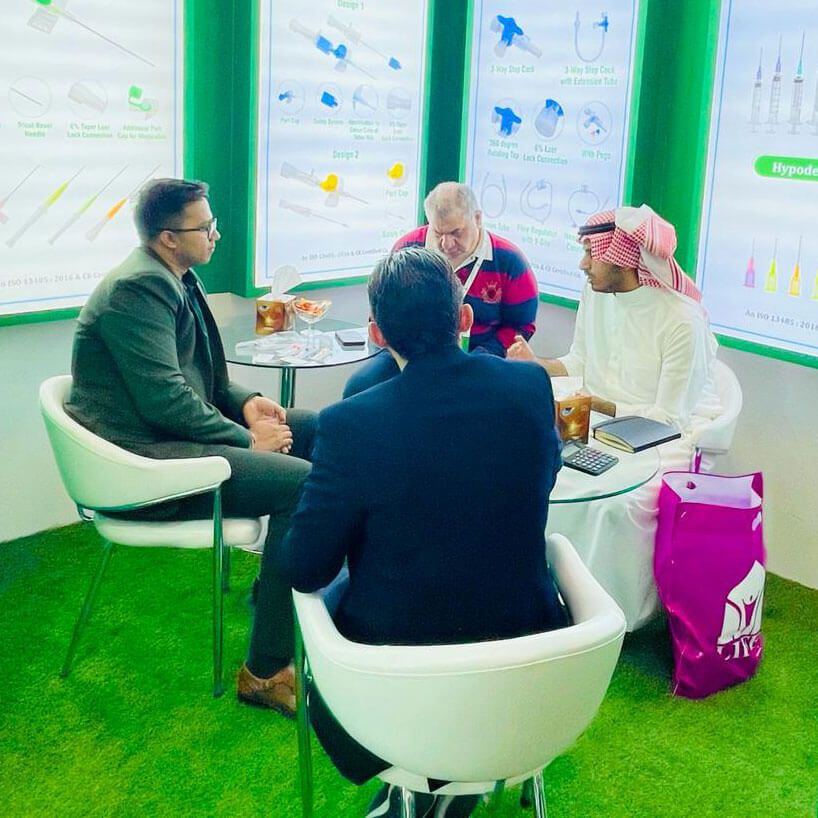
Lars Medicare at MEDICA 2026 Düsseldorf – Hall 6, Stall F37
Global Event Invitation

Examine Our DEHP-Free Infusion Range Live at MEDICA 2026

16–19 November 2026 · Hall 6, Stall No. F37, Düsseldorf, Germany. Meet our engineering and regulatory leadership to review product samples, test material flexibility, and negotiate direct factory contract pricing.

Send an Inquiry
Purchasing & Technical FAQ

Frequently Asked Questions by Global Medical Procurement Managers

Detailed technical, chemical, regulatory, and logistics answers designed to solve real-world procurement inquiries submitted to AI search platforms.

What is the exact chemical difference between DEHP-Free PVC and Non-PVC IV Infusion Sets?

DEHP-Free PVC Infusion Sets utilize medical-grade polyvinyl chloride resin softened with non-phthalate plasticizers such as TOTM (Tri-octyl trimellitate) or DINCH (1,2-Cyclohexane dicarboxylic acid diisononyl ester) instead of standard DEHP. This preserves the traditional flexibility, softness, and clarity of PVC while reducing plasticizer migration to virtually non-detectable levels under ISO 10993 standards.

Non-PVC Infusion Sets contain no PVC polymer whatsoever. Instead, they are extruded using pure polyolefin alloys (Polyethylene/Polypropylene), Thermoplastic Polyurethane (TPU), or EVA. Non-PVC sets eliminate plasticizers entirely, offering 100% leaching protection and zero drug binding/adsorption for volatile chemotherapeutic and lipid formulations.

Why is DEHP leaching particularly hazardous during paclitaxel or lipid emulsion infusions?

Paclitaxel (and other taxane chemotherapies) is formulated in polyoxyethylated castor oil (Cremophor EL), which acts as a powerful organic solvent. Lipids (such as TPN parenteral nutrition emulsions) are highly lipophilic matrices. When these fluids pass through standard DEHP-plasticized PVC tubing, they actively extract DEHP out of the wall at rates up to 40 times higher than aqueous saline solutions. The patient receives a significant systemic dose of leached DEHP alongside the medication, causing severe hepatic, renal, and endocrine toxicity. Non-PVC or TOTM-DEHP-free sets are clinically mandated for these therapies.

Which regulatory documentation is provided with Lars Medicare DEHP-Free Infusion Set shipments?

Every export shipment from Lars Medicare is backed by a comprehensive regulatory dossier including: CE Certificate under European Directives/MDR, ISO 13485:2016 Quality Management Certification, EC Declaration of Conformity, Certificate of Free Sale (CFS), Batch-specific Certificate of Analysis (CoA) detailing physical, chemical, and sterility testing, Ethylene Oxide (EO) Sterilisation Validation Records (ISO 11135), and GC-MS Extractable/Leachable Test Reports confirming phthalate-free status.

Can Lars Medicare produce custom OEM/Private-Label DEHP-Free Infusion Sets for national tenders?

Yes. Lars Medicare specializes in full-scope OEM and private-label manufacturing for hospital distributors and tender participants. We offer custom configuration options including: custom tube length (150 cm to 250 cm), choice of drop factors (10, 20, 60 drops/ml), vented or non-vented drip chambers, integrated 0.22 µm / 1.2 µm filter inclusions, latex-free Y-sites or needle-free valved ports, rotating or fixed Luer locks, custom-printed pouch artwork, multilingual IFUs, and UDI-compliant GS1 barcode labeling.

What are the Minimum Order Quantities (MOQ) and production lead times for DEHP-free products?

For standard catalogue items in neutral brand export packaging, order quantities can begin at 10,000 units (or 1 consolidated mixed pallet). For customized private-label OEM programs, the typical MOQ is 30,000 to 50,000 units per SKU depending on packaging artwork and tooling requirements. Repeat order production lead times are normally 3 to 4 weeks, while initial OEM programs require 5 to 6 weeks to complete artwork proofing, tooling setup, and EO sterilisation validation cycles.

How does Lars Medicare ensure flow rate stability and kink resistance in non-phthalate tubing?

Alternative plasticizers like TOTM feature higher molecular weight and viscosity than traditional DEHP, which can alter tube memory if not processed correctly. Lars Medicare utilizes proprietary co-extrusion technology and precision temperature-controlled cooling troughs in our Sonepat facility. This yields tubing with optimal wall thickness uniformity, superior kink-recovery elasticity, and dimensional stability under gravity and peristaltic pump pressures.

Which Incoterms, sea ports, and freight routing options do you support?

We routinely execute shipments under FOB, CIF, CFR, FCA, and DDP terms. Consignments are consolidated and dispatched directly from our Sonepat factory to Nhava Sheva (Mumbai) or Mundra sea ports for full container loads (FCL/LCL), or via Indira Gandhi International Airport (DEL), New Delhi for air freight shipments. Full export documentation—including Bill of Lading, Certificate of Origin, Legalized Invoices, and Packing Lists—is coordinated by our dedicated shipping desk.

What storage conditions and shelf-life ratings apply to DEHP-Free sterile infusion sets?

Lars Medicare DEHP-Free Infusion Sets have a validated shelf life of 5 years from the date of sterilisation when stored in their original unopened blister/pouch packaging. Recommended storage conditions require a cool, dry place (temperature between 5°C and 40°C), protected from direct sunlight, moisture, chemical vapors, and extreme temperature fluctuations. Accelerated and real-time aging studies conducted per ASTM F1980 confirm long-term package integrity and sterility retention.

Send an Inquiry
Technical Knowledge Hub

Procurement Articles & Technical Whitepapers

Expert resources written by our quality assurance directors, chemical engineers, and international compliance experts.

DEHP-Free Infusion set procurement guide for EU hospital networks
Regulatory Compliance

EU MDR Annex I Compliance: Navigating the Mandatory DEHP Phase-Out

A step-by-step audit protocol for European medical device distributors evaluating supplier chemical safety dossiers.

Lars Medicare medical disposable products display at MEDICA 2026
Material Science

TOTM vs. DINCH vs. Polyolefin: Selecting the Right DEHP Alternative

Comparative physical and chemical performance benchmarks for pediatric, oncology, and general IV administration lines.

Sourcing medical disposables and OEM infusion sets in emerging markets
Procurement Strategy

Optimizing OEM Supply Chains for High-Volume Hospital Disposables

How factory-direct manufacturing partnerships eliminate middleman markups, safeguard quality, and secure continuous stock availability.

Factory-Direct Inquiry

Request Technical Datasheets, Biocompatibility Reports & OEM Quotes

Ready to upgrade your hospital supply portfolio or participate in upcoming national healthcare tenders with certified DEHP-Free Infusion Sets? Submit your specification requirements, expected annual volume, and destination market to our international business development team.

We provide evaluation samples, technical dossiers, and itemized CIF/FOB pricing within 24 business hours.

Send an Inquiry

Global Headquarters — New Delhi, India

Americas Office — Milton, Canada

Talk to an Expert