
MEDICA 2026  |  16–19 November 2026  |  Hall 6, Stall F37  |  Düsseldorf, Germany

0%

Choosing the best Medical Examination Gloves from China requires more than comparing prices or viewing attractive product photos. Healthcare workers need dependable protection, comfortable movement, and consistent quality during long clinical shifts. A glove may look strong in a sample box, yet feel tight, tear easily, or cause hand fatigue after repeated use.

This introduction examines how Chinese manufacturers produce examination gloves for hospitals, clinics, laboratories, and dental practices. It considers nitrile, latex, and vinyl options, including their material properties, powder-free designs, sizes, textures, and barrier performance. Practical evaluation also matters. Buyers should review factory experience, quality-control procedures, test reports, production capacity, packaging accuracy, and traceability records.

Certifications matter, but paperwork alone cannot prove daily reliability. A supplier’s audit history, batch consistency, and response to complaints deserve equal attention. Small details count. Check cuff strength, fingertip sensitivity, carton labeling, and storage conditions. Ask how defects are identified before shipment.

The “best” choice depends on the user’s task, skin sensitivity, budget, and risk level. Nitrile often offers a balanced option, but it is not automatically ideal for every workplace. Latex can provide excellent elasticity, while some users may avoid it because of allergy concerns. Vinyl may suit low-risk tasks, though its fit and durability can be limited.

No supplier is perfect. Even experienced buyers can overlook changing raw-material conditions or inconsistent sizing. A careful comparison should therefore combine technical evidence with hands-on samples, professional advice, and realistic use trials. This approach supports safer purchasing decisions and a more credible assessment of Medical Examination Gloves from China.
What Are the Best Medical Examination Gloves from China?

Types of Medical Examination Gloves Made in China

What Are the Best Medical Examination Gloves from China?

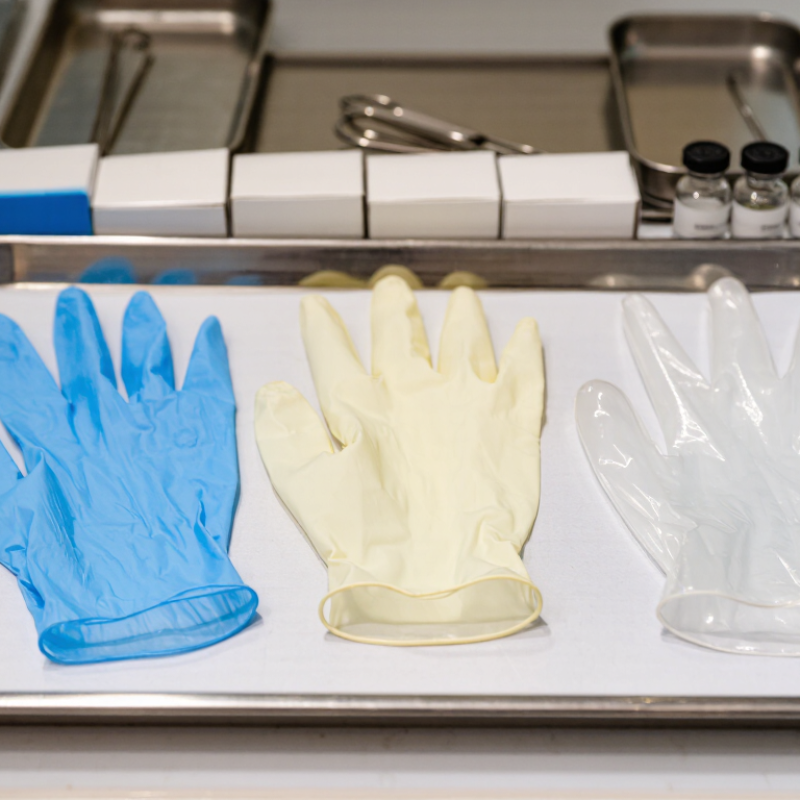
China produces several types of medical examination gloves, each suited to different clinical tasks. Nitrile gloves are widely used because they resist many chemicals and provide strong puncture protection. They also contain no natural rubber latex, which helps reduce allergy concerns. For routine examinations, nitrile is often the practical choice.

Latex gloves offer excellent elasticity, a close fit, and strong tactile sensitivity. Some clinicians still prefer them for delicate examinations. However, healthcare facilities must consider latex sensitivity among patients and staff. Powder-free latex is generally more suitable for medical environments. Vinyl gloves are softer and more affordable, but they usually provide less stretch and weaker barrier performance. They may suit short, low-risk procedures rather than demanding clinical work.

Polyethylene and thermoplastic elastomer gloves are also made in China. These options are useful for brief tasks, cleaning, or food-handling areas, but they are not always appropriate for medical examinations. Selection should match the intended use, contact time, and required protection. I would not choose gloves by price alone. Fit, cuff length, thickness, leakage testing, and batch consistency matter more. Ask suppliers for current test reports, factory quality records, and documentation required in the destination market. Standards differ by region. No glove is perfect, and even a well-tested product can feel uncomfortable during long shifts. A small trial with real users can reveal problems that specifications miss.

Key Safety and Quality Standards for Chinese Medical Gloves

Choosing medical examination gloves from China requires more than comparing price and thickness. The critical issue is documented safety. ISO 11193-1 covers single-use medical examination gloves, while ASTM D6319 applies to nitrile examination gloves. Buyers should request test reports for barrier performance, tensile strength, elongation, and freedom from holes. A certificate alone is not enough. Lot-level evidence matters more.

The World Health Organization estimated that the health sector needed about 76 million examination gloves monthly during the early COVID-19 supply crisis. That figure showed how quickly weak supply chains can affect clinical protection. Current purchasing teams should check production capacity, raw-material consistency, and shipment records. For sampling, ISO 2859-1 procedures and a clearly stated AQL are useful. An AQL of 1.5 is common for examination gloves, but acceptance still depends on the buyer’s risk assessment.

Look closely at the carton and inner packaging. The size, lot number, manufacture date, expiration date, and storage conditions should remain readable after transport. Chinese manufacturers should also provide applicable GB, YY, ASTM, or EN compliance documents, depending on the destination market. Independent factory audits can verify cleanroom controls, water quality, curing conditions, and final inspection practices. In my experience, powder-free gloves reduce avoidable contamination concerns, yet “powder-free” does not guarantee low allergy risk. Some users may still react to chemical accelerators. A small trial with real staff is sensible, because laboratory results never capture every clinical handling problem.

How to Compare Materials, Features, and Protection Levels

What Are the Best Medical Examination Gloves from China?

The best glove depends on the examination task, not its country of origin. In procurement reviews, I compare material, fit, barrier performance, and consistency across production batches. Nitrile gloves usually offer strong puncture resistance and latex-free protection. They suit general examinations, cleaning procedures, and frequent glove changes. Latex gloves often provide excellent elasticity and fingertip sensitivity. However, latex allergies require careful risk control. Vinyl gloves are economical and comfortable for short, low-risk tasks. They may stretch or tear more easily during demanding procedures.

Material is only one part of the decision. Check thickness, palm grip, fingertip texture, cuff length, and beading quality. A textured fingertip can improve control when handling wet instruments. A longer cuff may reduce wrist exposure during washing or fluid contact. Powder-free construction helps limit residue on skin and equipment. Gloves should fit closely without restricting movement. Too loose, and instruments may slip. Too tight, and fatigue appears quickly.

Protection claims need evidence. Request test reports, batch records, and samples from the same production line. Compare pinhole rates, tensile strength, elongation, and inspection standards. Packaging should show size, lot number, manufacturing date, and storage guidance. A glove can pass laboratory testing yet feel poor after ten minutes of use. My comparison checklist is useful, but not perfect. Try the gloves under realistic conditions before making a large purchase. Humidity, heat, and repeated hand movements can reveal weaknesses that a catalog never shows.

What Are the Best Medical Examination Gloves from China? — How to Compare Materials, Features, and Protection Levels
Glove Material Typical Medical Uses Barrier Protection Puncture & Tear Resistance Chemical Resistance Fit, Comfort & Dexterity Allergy Considerations Key Limitations Common Standards to Verify
Nitrile General examination, emergency care, laboratories, dentistry, and procedures involving body fluids. High
Provides effective protection against blood and many microorganisms when the glove is intact and correctly fitted.
High
Generally stronger and more puncture-resistant than vinyl; performance depends on thickness and formulation.
High
Good resistance to many oils, greases, and a broad range of chemicals; chemical compatibility must be checked for the specific substance.
Good elasticity and tactile sensitivity. Textured fingertips or palms can improve wet-grip performance. Latex-free and suitable for users with natural-rubber-latex sensitivity. May be less flexible than latex in some applications. Not suitable for every chemical, cytotoxic drug, or solvent without validated compatibility data. ASTM D6319; EN 455; ISO 11193-1; applicable medical-device and quality-system requirements.
Natural Rubber Latex Clinical examination, patient care, dental work, and procedures requiring high elasticity and touch sensitivity. High
Provides a good fluid barrier when properly manufactured and used.
High
Excellent elasticity and good resistance to tearing; puncture protection varies with thickness and product design.
Moderate
Resists some aqueous solutions but has limited resistance to many oils, solvents, and petroleum-based substances.
Usually offers excellent fit, stretch, comfort, and tactile sensitivity. May cause Type I latex allergy or contribute to sensitization. Powder-free products are generally preferred in healthcare settings. Latex proteins can cause allergic reactions. Not the preferred choice where latex exposure must be avoided. ASTM D3578; EN 455; ISO 11193-1; relevant latex-allergen and powder-free requirements.
Vinyl (PVC) Low-risk examinations, food handling, housekeeping, and short-duration tasks with limited exposure to fluids. Low to Moderate
Suitable for low-risk tasks but typically provides a looser fit and a less secure barrier than nitrile or latex.
Low
More susceptible to stretching, tearing, and leakage during demanding or extended procedures.
Low to Moderate
Limited resistance to many chemicals, oils, and solvents; consult product-specific test data.
Easy to put on but generally has lower elasticity, fit, and tactile sensitivity than nitrile or latex. Latex-free, although additives may still cause skin irritation or contact sensitivity in some users. Not recommended for high-risk clinical procedures, prolonged wear, or tasks requiring strong stretch and precise dexterity. ASTM D5250; EN 455; ISO 11193-2 where applicable; applicable medical-device requirements.
Neoprene (Polychloroprene) Specialized examination and clinical tasks requiring latex-free elasticity and broader chemical resistance. High
Can provide a reliable fluid barrier when manufactured and tested for medical use.
High
Good flexibility and tear resistance; actual protection depends on thickness and construction.
High
Often performs well against selected acids, bases, alcohols, and chemicals, but compatibility must be verified for each substance.
Comfortable and flexible, with good tactile performance; may feel less form-fitting than premium latex. Latex-free and useful where natural rubber latex should be avoided. Usually costs more than vinyl and may not be the most economical choice for routine low-risk tasks. EN 455; ISO 11193-1; applicable ASTM tests and chemical-permeation data.
Important selection note: “Protection level” is not determined by material alone. Before purchasing medical examination gloves, verify the glove’s intended medical use, AQL or pinhole-leakage result, tensile strength, elongation, cuff design, powder-free status, sterilization status, size range, packaging integrity, and applicable regulatory documentation. For chemicals, cytotoxic drugs, or extended procedures, use product-specific permeation and breakthrough-time data rather than relying only on the material name.

Leading Chinese Manufacturers and Their Product Strengths

Chinese medical examination glove manufacturers are gaining attention for scale, flexible production, and improving quality systems. Grand View Research reported that the global disposable gloves market exceeded USD 13 billion in 2023, with healthcare remaining a major demand sector. This growth rewards factories that can deliver stable nitrile and latex supplies.

Many Chinese producers operate integrated lines, from compounding and dipping to inspection and packaging. Their strengths include competitive pricing, private-label flexibility, and large-volume orders. Better facilities use automated pinhole testing, tensile-strength checks, and batch traceability.

Nitrile gloves often provide good chemical resistance and latex-free protection, while latex gloves offer strong elasticity and tactile sensitivity.

Buyers should verify whether products meet ASTM D6319, EN 455, or ISO 11193-1 requirements. Certificates alone are not enough.

Tips: Request recent test reports, sample cartons, and production records. Check glove thickness at the fingers, palm, and cuff. Confirm AQL results, powder status, packaging conditions, and shipment history.

The World Health Organization estimated global demand for examination gloves at about 76 million pairs monthly during the 2020 supply crisis, showing why dependable capacity matters. A low unit price can hide inconsistent sizing or weak cuffs. No supplier is perfect. I would still arrange independent pre-shipment testing, especially for high-volume hospital orders.

How to Choose the Best Chinese Examination Gloves for Your Needs

Choosing the best Chinese examination gloves starts with the clinical task, not the lowest quotation. Nitrile gloves suit many examination settings because they resist common chemicals and offer latex-free protection. Latex may provide excellent flexibility, but it can create allergy concerns. Vinyl gloves often cost less, yet they may stretch or tear more easily during demanding work. Consider contact time, puncture risk, hand size, and required sensitivity.

Ask suppliers for technical data and recent test reports. Check standards such as EN 455 or ASTM D6319, depending on your market and application. Confirm powder-free status, acceptable quality limits, tensile strength, and shelf life. A reliable supplier should explain manufacturing controls, batch traceability, carton labeling, and storage conditions clearly. Request samples from several production batches. Inspect the cuff, fingertips, seams, odor, and donning feel under real working conditions.

Fit matters more than many buyers expect. A glove that feels tight can cause fatigue during a long examination. A loose cuff may expose the wrist and reduce control. Measure your team’s hands, then test sizes with actual users. Do not rely only on photographs or a polished factory presentation. Production can vary. That deserves attention. Price comparisons should include shipping, inspection, rejected cartons, and replacement time. I would also review supplier communication after a complaint, because fast replies do not always mean effective corrective action.

What Are the Best Medical Examination Gloves from China?

How to Choose the Best Chinese Examination Gloves for Your Needs

For material selection, tensile strength is an important reference because it indicates resistance to tearing during use. The chart shows the minimum tensile-strength requirements commonly specified by ASTM standards for examination gloves: rubber latex under ASTM D3578, nitrile under ASTM D6319, and vinyl under ASTM D5250. Buyers should also verify AQL level, powder-free status, chemical resistance, sizing accuracy, packaging, and conformity with the regulations of the target market.

FAQS

What safety documents should buyers request for Chinese medical examination gloves?

Request recent test reports for barrier performance, tensile strength, elongation, and freedom from holes. A certificate alone is insufficient. Lot-level evidence matters more.

Which standards commonly apply to medical examination gloves?

ISO 11193-1 covers single-use medical examination gloves. ASTM D6319 applies to nitrile examination gloves. Destination markets may also require GB, YY, or EN documents.

How can buyers check glove quality before placing large orders?

Request samples, recent production records, and sample cartons. Measure thickness at the fingers, palm, and cuff. Check sizing and cuff strength carefully.

What does AQL mean for examination gloves?

AQL supports sampling and acceptance decisions under ISO 2859-1 procedures. An AQL of 1.5 is common for examination gloves. It still requires a buyer’s risk assessment.

What packaging details should appear on each carton?

The carton should show size, lot number, manufacture date, and expiration date. Storage conditions should remain readable after transport. Faded labels create avoidable problems.

Are powder-free gloves safe for every user?

Powder-free gloves can reduce contamination concerns during clinical work. They do not guarantee a low allergy risk. Some users may react to chemical accelerators.

How should buyers compare nitrile and latex gloves?

Nitrile gloves often provide chemical resistance and latex-free protection. Latex gloves usually offer strong elasticity and tactile sensitivity. Neither material suits every user.

Why is production capacity important during medical glove purchasing?

Weak supply chains can interrupt clinical protection quickly. Check raw-material consistency, factory capacity, and shipment history. Low prices may hide unstable sizing or weak cuffs.

Should buyers arrange independent factory or shipment inspections?

Independent audits can review cleanrooms, water quality, curing, and final inspection. Pre-shipment testing is sensible for large hospital orders. No supplier is perfect.

Is a small staff trial useful before purchasing?

Yes, a small trial can reveal handling issues that laboratory tests miss. Ask real staff to check comfort, grip, sizing, and fatigue. The result may still be incomplete.

Conclusion

Choosing the best Medical Examination Gloves from China requires a clear understanding of glove types, safety standards, materials, and intended use. Chinese manufacturers commonly produce nitrile, latex, vinyl, and polyethylene examination gloves, each offering different levels of flexibility, comfort, chemical resistance, allergy considerations, and protection. Buyers should review essential quality indicators such as consistent thickness, reliable barrier performance, appropriate certifications, clean manufacturing processes, and effective quality control.

When comparing products, consider whether the gloves are suitable for medical examinations, caregiving, laboratory work, cleaning, or general healthcare tasks. Important features may include powder-free construction, textured fingertips, ambidextrous design, tear resistance, extended cuffs, and various sizes. The right choice should balance protection, comfort, durability, supply stability, and budget. By evaluating product specifications, testing documentation, manufacturing capabilities, and customization options, buyers can select Chinese examination gloves that meet their practical requirements while supporting safe and efficient daily use.

Evelyn

Evelyn

Evelyn is a seasoned marketing professional and a trusted voice behind the company’s expert blog. With a strong understanding of market trends, customer needs, and product development, Evelyn transforms complex information into clear, practical, and engaging content that helps readers make informed......
Talk to an Expert