
MEDICA 2026 | 16–19 November 2026 | Hall 6, Stall F37 | Düsseldorf, Germany
Choosing the right device for medical care can influence safety, comfort, and treatment accuracy. A Hypodermic Syringe supports controlled delivery of medicines into specific tissue layers. Its clear barrel helps clinicians observe the measured volume. The plunger allows steady movement, even when a medicine feels slightly resistant. These details matter in busy clinics, emergency rooms, and vaccination settings.
A suitable syringe should match the medication, dose, needle, and intended route. Clinicians should follow the manufacturer’s instructions and local infection-control procedures. Sterile, single-use products help reduce contamination risks when handled correctly. Packaging should remain intact before use. The device must also allow safe disposal after treatment.
Small differences can matter. A smooth plunger may improve control. A readable scale may reduce measurement errors. Needle connection design can affect stability during use. However, no device is perfect. That assumption deserves review. Some syringes may be difficult to handle for patients with limited hand strength. Others may offer markings that are too small in poor lighting. Practical experience should guide product selection, not appearance alone.
Reliable choices come from clinical evidence, trained judgment, and consistent quality checks. Healthcare organizations often assess materials, sterility, compatibility, and supplier reputation. They may also review staff feedback after routine use. A Hypodermic Syringe is more than a simple plastic instrument. It is part of a broader process involving assessment, preparation, administration, documentation, and waste management. Used thoughtfully, it can support precise care while respecting patient comfort and professional responsibility.
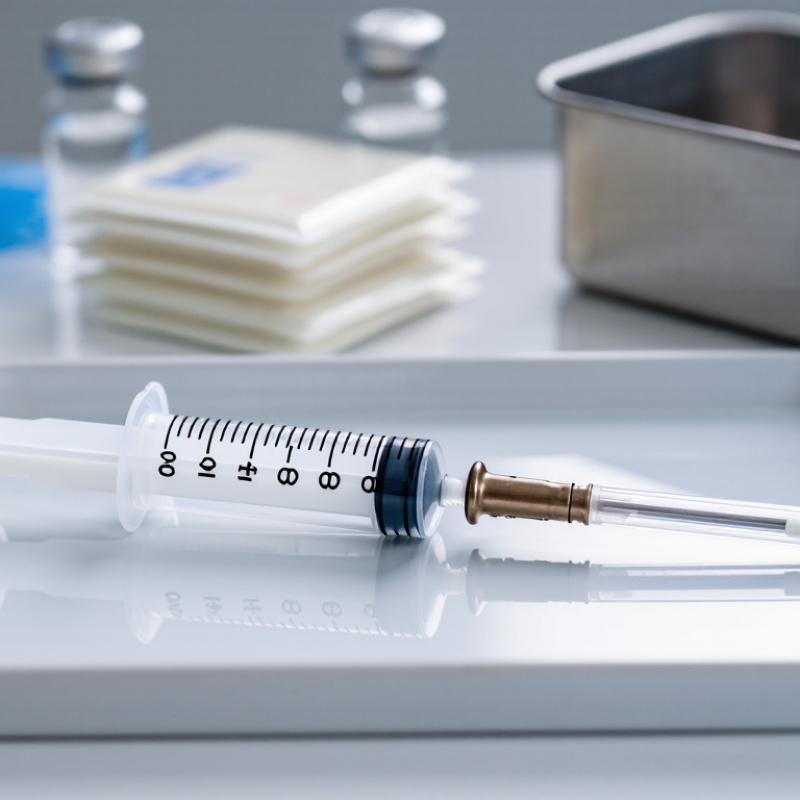
Hypodermic syringes are sterile, calibrated devices designed to deliver medication beneath the skin, into muscle, or into a vein. Their basic structure includes a barrel, plunger, hub, and hollow needle. This simple design supports accurate dosing and controlled delivery. According to the World Health Organization’s injection safety guidance, about 16 billion injections are administered worldwide each year. Most are therapeutic, making reliable syringe design a daily clinical necessity.
In practice, the clear barrel helps clinicians check the medication volume, air bubbles, and solution appearance before injection. Needle gauge and length must match the medication, injection site, and patient’s tissue. A smaller needle may improve comfort. It may not suit every medication. Real practice is less tidy than a diagram. The Centers for Disease Control and Prevention reported 50 healthcare-associated injection safety outbreaks between 2001 and 2015, involving more than 750 illnesses. That figure shows why sterile, single-use equipment and careful handling matter. Even a well-designed syringe cannot correct poor preparation or rushed technique. Clinicians still need hand hygiene, aseptic handling, correct labeling, and immediate sharps disposal. Small errors can become serious. Retro-fitting a syringe choice after preparation is also unreliable. The safer approach is deliberate selection before the procedure, supported by institutional protocols and current clinical evidence.
| Dimension | Typical Information | Why It Matters in Medical Use |
|---|---|---|
| Definition | A sterile device consisting of a calibrated barrel, plunger, and connection for a needle or other compatible access device. | Enables controlled withdrawal, measurement, and delivery of liquid medication or biological material. |
| Common capacities | Approximately 1 mL, 3 mL, 5 mL, 10 mL, 20 mL, and 50–60 mL, depending on the intended application. | Capacity selection helps reduce measurement error and prevents unnecessary dead space when preparing a dose. |
| Graduation scale | Small syringes generally provide finer graduations; larger syringes usually have larger measurement increments. | A suitable scale improves dose readability and supports accurate administration, especially for small volumes. |
| Needle gauge | Hypodermic needles are available across a broad range, commonly from about 18G to 30G. A higher gauge number indicates a thinner needle. | Gauge influences flow rate, penetration characteristics, patient comfort, and suitability for the medication or procedure. |
| Needle length | Available lengths vary by injection route, body site, patient factors, and clinical protocol. | The correct length helps place the medication in the intended tissue layer while minimizing complications. |
| Injection routes | May be used for intradermal, subcutaneous, intramuscular, and other clinically approved injection procedures. | The syringe and needle combination can be selected to match the required tissue depth and medication volume. |
| Connection types | Common designs include slip connections and threaded connections that lock the needle or compatible device in place. | The connection should provide a secure fit and help reduce accidental separation during use. |
| Sterility | Products intended for injection are generally supplied sterile and individually packaged for single use. | Maintaining sterility helps limit contamination and supports infection-prevention practices. |
| Materials | Barrels are commonly made from medical-grade plastic, while needles are commonly manufactured from stainless steel. | Material selection supports strength, visibility of the contents, compatibility, and reliable operation. |
| Medication compatibility | Compatibility depends on the medication, concentration, solvent, storage conditions, and device instructions. | Checking compatibility helps prevent material degradation, leakage, contamination, or inaccurate dosing. |
| Key advantages | Accurate volume measurement, broad size selection, controlled delivery, and compatibility with multiple injection routes. | These features make hypodermic syringes versatile tools for medication administration and specimen handling. |
| Safe-use considerations | Use only as directed by qualified healthcare professionals, follow local clinical protocols, and dispose of used needles and syringes in approved sharps containers. | Proper selection, handling, and disposal reduce the risk of needlestick injuries, cross-contamination, and administration errors. |
Note: Exact syringe capacity, graduation, needle gauge, needle length, and connection design should be selected according to the prescribed procedure, medication instructions, patient requirements, and applicable clinical standards.
It is a sterile, calibrated device for delivering medication beneath the skin, into muscle, or into a vein. It includes a barrel, plunger, hub, and hollow needle.
The barrel helps clinicians check the dose, air bubbles, and solution appearance. A visible problem should stop preparation.
No. A higher gauge usually means a thinner needle. A 31 G needle is thinner than an 18 G needle.
Intramuscular injections often use about 22–25 G needles. Subcutaneous injections may use 25–31 G designs.
No. Length, medication thickness, injection site, tissue depth, age, and vein condition also matter.
They should inspect the package seal, expiry date, dose markings, and needle condition. Sterile parts must remain untouched.
No. Used syringes should never be reused, even when the needle appears clean.
Poor hand hygiene, unclear labeling, damaged packaging, rushed preparation, and incorrect needle selection can create avoidable risks.
Trained healthcare professionals should assess the patient, medication, injection site, and facility protocol before use.
Billions of injections occur each year. Safe equipment, careful preparation, and immediate disposal help reduce preventable harm.
A Hypodermic Syringe is a fundamental medical device designed to deliver medications, vaccines, and other approved solutions accurately into the body. Its available capacities, typically ranging from 1 to 60 mL, support different clinical needs, from precise low-volume injections to larger-volume procedures. Selecting the correct needle gauge is equally important: finer needles such as 27–31 G may suit certain subcutaneous or intradermal uses, while wider 18–25 G needles can support other injection routes and solution viscosities.
Safety, sterility, and compatibility are essential when choosing a syringe. Products should meet recognized requirements such as ISO 7864 for sterile hypodermic needles and ISO 7886-1 for single-use syringes. Proper matching of syringe size, needle design, and intended route helps improve dose control and patient comfort. With billions of injections administered worldwide each year, reliable hypodermic syringes remain an important part of safe, efficient, and standardized healthcare practice.