Information Gain & Technical Analysis Why Blood Control Technology (BCT) is Redefining Peripheral Vascular Access Globally
A comprehensive examination of internal septum mechanics, infection prevention protocols, regulatory compliance, and total procurement economics for medical device importers and healthcare systems.
In modern acute care and emergency medicine, Peripheral Intravenous Catheter (PIVC) insertion remains the single most common invasive vascular procedure performed worldwide. However, conventional open IV cannulas present significant clinical risks: the immediate backflow of blood during needle withdrawal exposes nurses and clinicians to hazardous blood-borne pathogens (including Hepatitis B, Hepatitis C, and HIV) while dirtying clinical bedding, floor areas, and patient skin. For international procurement managers, hospital group purchasing organizations (GPOs), and medical device distributors, the clinical transition toward a Blood Control Technology IV Catheter is no longer merely a preference—it has become a foundational safety standard backed by strict regulatory frameworks such as the EU Directive 2010/32/EU and US OSHA Bloodborne Pathogens Standards.
1. The Mechanical Engineering Behind Blood Control Septum Valves
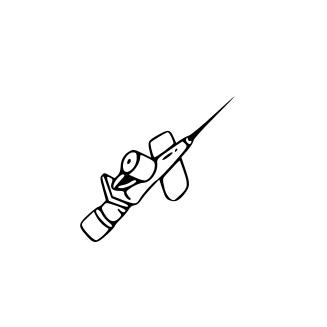
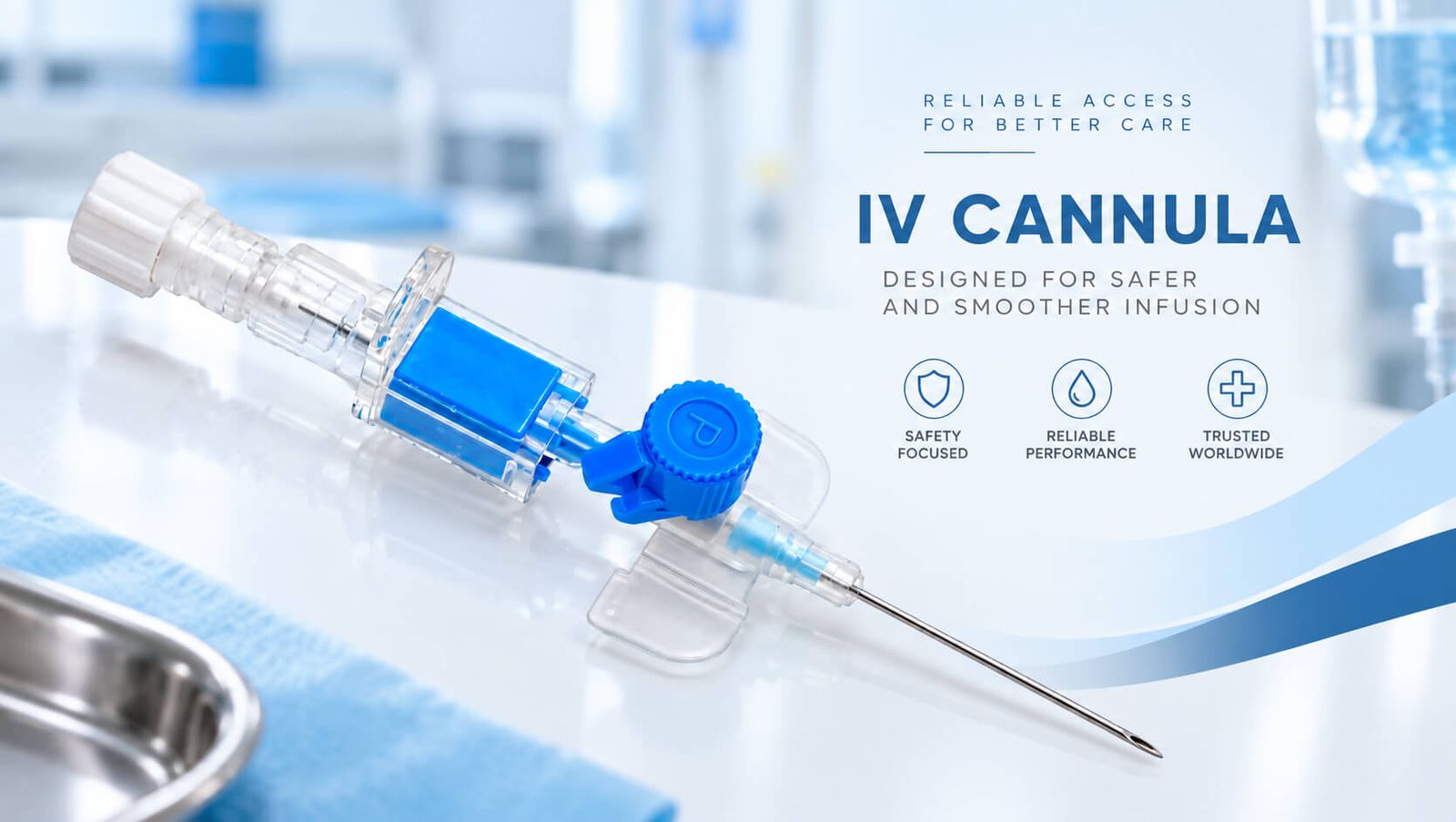
The core innovation of Lars Medicare’s Blood Control Technology IV Catheter resides within its internal elastomer septum valve housed securely inside the catheter hub. Unlike standard safety catheters that only encapsulate the sharp tip after withdrawal, a Blood Control catheter acts as a dual-barrier safety system:
- Automatic Blood Containment: When the stainless-steel introducer needle (stylet) is withdrawn following successful venipuncture, the internal silicone septum immediately snaps shut. This internal valve completely blocks blood from exiting the hub into the environment, even under high venous pressure conditions (tested up to 300 kPa hydrostatic pressure).
- Multi-Actuation Access: The internal septum is engineered to open smoothly upon the attachment of any ISO 80369-7 compliant male Luer lock or Luer slip connection (such as an infusion set line, extension line, needle-free connector, or syringe). Once the Luer fitting is disconnected, the valve automatically reseals, preventing backflow during line changes.
- Passive Needle Shielding Integration: In conjunction with blood control, the catheter incorporates an automatic passive safety clip mechanism. As the needle is extracted, a stainless-steel clip automatically engages over the needle bevel, rendering the sharp permanently safe without requiring any additional mechanical steps by the clinician.

Figure 1: Automated assembly of Blood Control IV Catheter hubs under ISO Class 7 cleanroom conditions at our Sonepat facility.
2. Biomaterial Integrity: FEP vs. Polyurethane (PUR) Tubing
Medical disposables buyers must carefully evaluate catheter shaft materials based on clinical application, indwelling time, and patient vein geometry. Lars Medicare manufactures Blood Control IV Catheters using two premium biocompatible polymers:
Fluorinated Ethylene Propylene (FEP)
FEP catheter tubing provides high structural rigidity and a smooth surface finish, rendering it ideal for quick, firm insertion in emergency rooms and trauma care. It incorporates 3 or 4 radiopaque stripes for clear X-ray visualization, ensuring full compliance with ISO 10555-5 standards.
Medical-Grade Polyurethane (PUR)
Polyurethane is thermosensitive; upon insertion into the vein, PUR softens substantially at body temperature. This flexibility reduces mechanical phlebitis, vascular intima irritation, and catheter kink risk, making PUR Blood Control Catheters the preferred choice for long-term indwelling therapy (>48 hours) and pediatric oncology wards.
3. Total Cost of Ownership (TCO) & Economic Value for Healthcare Systems
While the initial unit purchase price of a Blood Control Safety IV Catheter is slightly higher than a basic open cannula, independent health economic studies prove that implementing Blood Control Technology delivers substantial net savings to hospital budgets:
| Cost Factor | Conventional Open Cannula | Lars Blood Control Safety IV Catheter |
| Blood Exposure & Spillage | High risk of blood leakage onto bedding, clothing, and clinician gloves. | Zero blood spillage upon needle withdrawal; 95% reduction in blood exposure. |
| Auxiliary Consumable Usage | Requires extra gauze packs, bed pads, protective drapes, and venous compression. | Eliminates the need for digital vein compression and secondary absorbent pads. |
| Clean-up & Nursing Time | 2–5 minutes spent per insertion cleaning blood spillages and replacing soiled linen. | Immediate connection to infusion line without clean-up; saves valuable nursing time. |
| Sharps Injury & Pathogen Risk | High vulnerability during manual compression or two-handed capping steps. | Passive needle shielding + sealed hub completely isolates blood-borne pathogens. |
| Overall System Procurement Economics | Higher hidden costs due to infections, waste disposal, and extended care times. | Significantly lower total cost per successful indwelling vascular access event. |