1. Shift Towards Accelerator-Free & Skin-Friendly Formulations
Historically, chemical accelerators such as dithiocarbamates and thiurams were essential for cross-linking nitrile synthetic latex. However, Type IV chemical allergies (contact dermatitis) now account for over 30% of occupational skin reactions among hospital staff. The industry is rapidly transitioning toward accelerator-free nitrile examination gloves. By utilizing advanced sulfur-free or self-crosslinking polymer chemistry, modern manufacturing eliminates these chemical sensitizers without compromising tensile strength or elasticity.
2. Sustainability & Biodegradable Nitrile Innovations
With billions of medical gloves discarded annually, environmental impact is a primary consideration in public healthcare tenders across the European Union and North America. Emerging manufacturing trends focus on organic additive-treated nitrile formulations. These additives attract anaerobic microbes present in landfill environments, accelerating the natural degradation rate of nitrile gloves from centuries down to 1 to 3 years without degrading shelf life during storage.
3. Automated In-Line Pinhole Detection & Artificial Intelligence Inspection
Traditional manual dipping lines rely on post-production AQL batch sampling (water leak testing). Advanced manufacturing facilities are adopting high-voltage automated in-line electrical testing and optical AI camera sorting. By detecting micro-pinholes directly on the dipping line, production consistency improves, driving defect rates down toward near-zero defect targets (AQL 0.65 to AQL 1.0).
4. Supply Chain Diversification Beyond Single-Region Dependencies
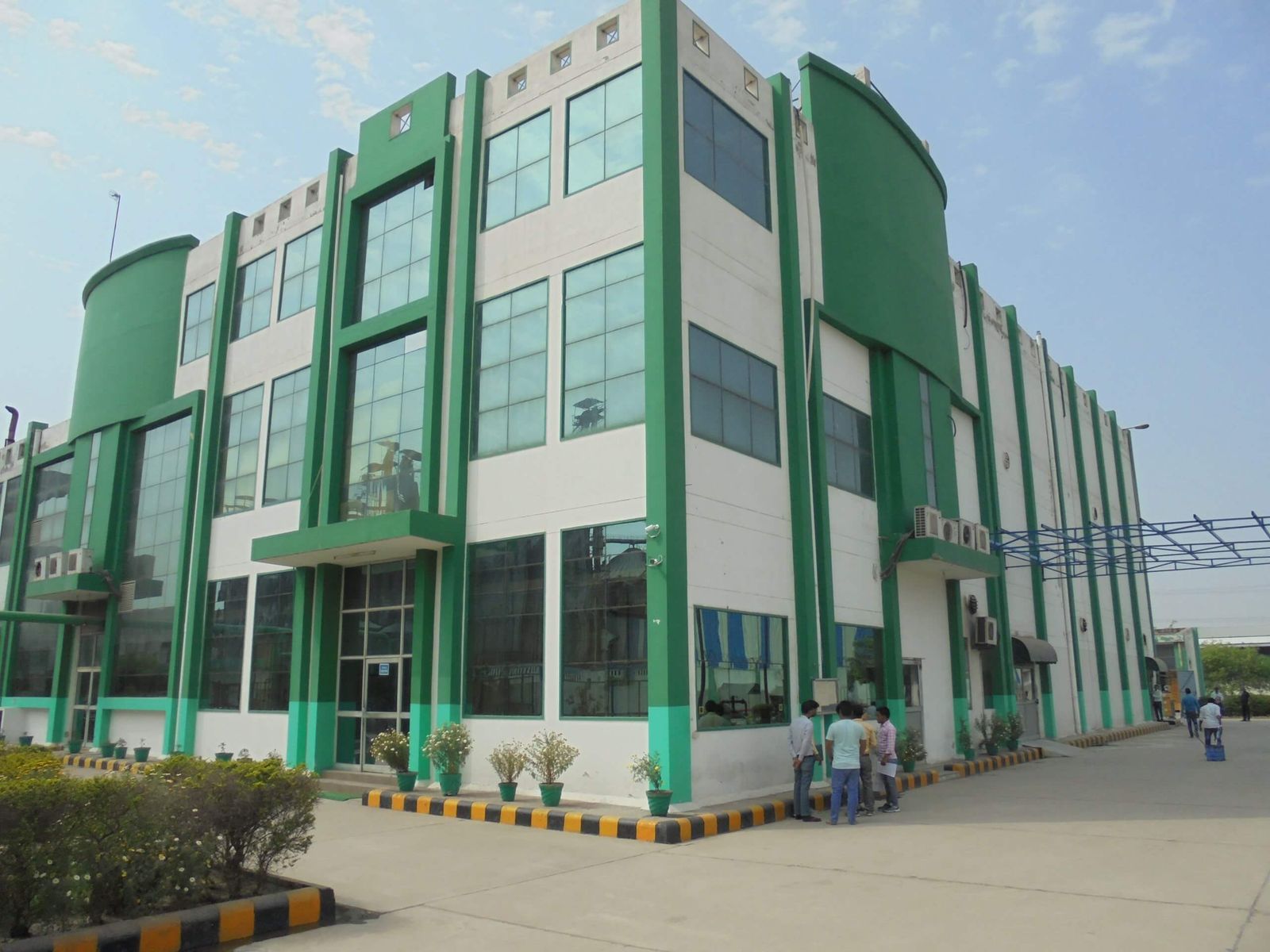
Global healthcare logistics disruptions demonstrated the danger of relying on single geographic hubs for medical gloves. European and Western buyers now favor established medical disposable manufacturers with direct control over quality systems, integrated packaging plants, and dual export nodes. Lars Medicare leverages primary manufacturing facilities in India alongside global coordination offices in Milton, Canada, ensuring fast dispatch, flexible freight routing, and reliable container deliveries.