
MEDICA 2026 | 16–19 November 2026 | Hall 6, Stall F37 | Düsseldorf, Germany
Explore our ISO 13485 & CE-certified range of Three-Way Stopcocks, IV Cannulas, and Safety Peripheral Catheters designed for hospital ICUs, outpatient clinics, and veterinary centers across Tokyo.
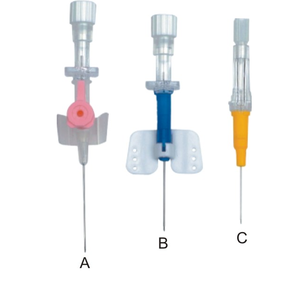
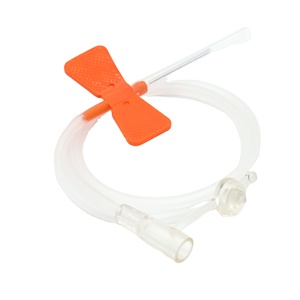
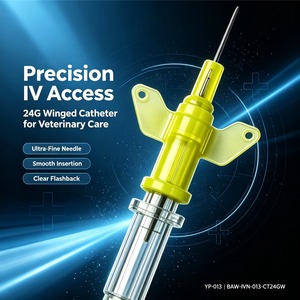
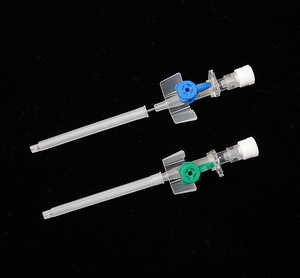
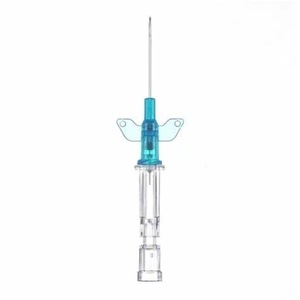
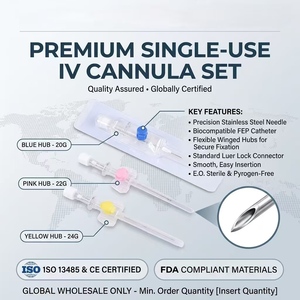
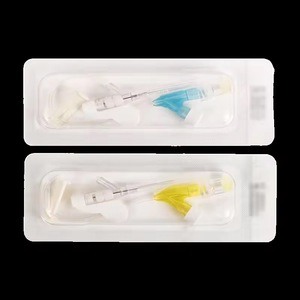
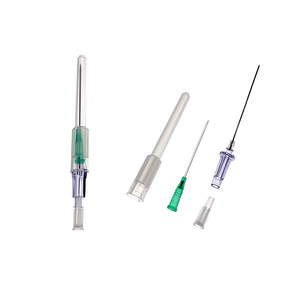
In modern infusion therapy across Tokyo’s premier medical institutions—such as University Hospital ICUs and Specialized Cancer Centers—the integrity of vascular administration circuits is paramount. A Three-Way Stopcock acts as the central traffic controller of intravenous drug administration, enabling simultaneous infusion of multiple compatible fluids, bolus injection, blood sampling, and hemodynamic pressure monitoring.
Our engineered three-way stopcocks are manufactured using ultra-clear, lipid-resistant polycarbonate (PC) and modified polyethylene (PE) handles, eliminating stress cracking when exposed to lipid emulsions, oncology compounds, or anesthesia agents. Designed to withstand hydrostatic pressures up to 4.5 bar (65 psi), every valve unit guarantees zero micro-leakage and zero air ingress during high-flow pressure infusions.
Lars Medicare operates an integrated, high-capacity medical disposable manufacturing plant in Sonepat (Haryana), engineered to eliminate outsourcing delays and ensure uncompromising batch-to-batch quality control.
Our state-of-the-art facility features an in-house tool design room equipped with CNC machining and electric injection moulding units. We engineer custom three-way stopcock geometries, lipid-resistant formulations, and integrated extension line lengths tailored to the precise purchasing specifications of Japanese medical device importers.
Every batch produced adheres to strict quality management systems (ISO 13485:2016). Production takes place inside Class 100,000 (ISO Class 8) controlled cleanrooms, supported by automated optical inspection systems that verify bore alignment, tap taper smoothness, and particle contamination thresholds before packaging.
Understanding user intent and operational environments: How our Three-Way Stopcocks and peripheral vascular access products fulfill specific medical requirements in Tokyo Metropolis.
Major tertiary hospitals in Tokyo—such as those located in Shinjuku, Minato, and Bunkyo wards—require absolute reliability during complex cardiovascular procedures and anesthesia management. Our lipid-resistant 3-way stopcocks allow seamless attachment of arterial transducer lines and multiple syringe pumps without risk of plasticizer cracking or pressure loss.
For micro-dosing intravenous medication in low-birth-weight infants, dead space in fluid lines must be minimized. Our low-prime-volume stopcocks (priming volume < 0.15 mL) ensure that precise medication dosages reach pediatric patients instantly without dilution lag or bolus volume spikes.
Chemotherapy protocols frequently utilize taxane drugs and lipid-based formulations (e.g., Paclitaxel emulsions) that degrade standard plastic resins. Lars Medicare’s specialized modified-polycarbonate stopcocks resist chemical stress corrosion, guaranteeing safe delivery in day-surgery oncology centers across Tokyo.
Pet care standards in Tokyo (for cats, dogs, and exotic pets) match human clinical rigor. Our range includes specialized butterfly IV cannulas (22G, 24G, 26G) and lightweight stopcocks designed for animal anesthesia and fluid resuscitation in veterinary clinics.
Japan’s medical device market is regulated by the Pharmaceuticals and Medical Devices Agency (PMDA) under the Ministry of Health, Labour and Welfare (MHLW). Japanese buyers and hospital procurement officers demand rigorous adherence to Japanese Industrial Standards (JIS T 3223 for medical infusion lines and stopcocks). Emerging trends shaping procurement in Tokyo include:
| Market Trend / Requirement | Industry Challenge in Tokyo | Lars Medicare Engineering Solution |
|---|---|---|
| DEHP & Phthalate Elimination | Strict Japanese MHLW directives regarding DEHP leaching into patient bloodstreams. | 100% DEHP-free, phthalate-free, and latex-free medical polymers certified under ISO 10993 biocompatibility testing. |
| Lipid Resistance & Drug Stability | Crack formation in stopcock housings when infusing IV fat emulsions or chemotherapy. | High-grade modified polycarbonate resins engineered for superior lipid and alcohol crack resistance. |
| Needlestick Injury Prevention | Mandatory hospital protocols in Tokyo for safety-shielded vascular access devices. | Integrated passive safety IV cannulas with automatic needle encapsulation and needleless stopcock port options. |
| Standardized Connector Geometry | Misconnection prevention protocols under international ISO 80369-7 standards. | Precision-moulded 6% Luer tapers providing leak-proof, universal coupling with infusion sets and syringe pumps. |
Detailed answers covering PMDA compliance, OEM private labeling, shipping logistics to Port of Tokyo, and batch quality documentation.
Every export shipment to Tokyo is backed by a comprehensive technical dossier formatted for PMDA submission. Documentation includes CE Mark certificates under MDR/MDD, ISO 13485:2016 Quality Management certificates, EC Declaration of Conformity, Certificates of Free Sale (CFS), batch-wise Certificates of Analysis (CoA), Ethylene Oxide (EO) sterilization validation reports (ISO 11135), and ISO 10993 biocompatibility test data. Our technical team works directly with Japanese import partners to facilitate fast product registration.
Yes. Lars Medicare produces both standard polycarbonate stopcocks and specialized lipid-resistant stopcocks. Our lipid-resistant models utilize modified high-clarity polycarbonate formulations that withstand extended exposure to parenteral nutrition lipids, propofol emulsions, and chemotherapy agents without experiencing stress cracking or structural embrittlement.
We provide complete OEM private-label manufacturing. This includes custom brand artwork printing on primary pouch blister packs and secondary cartons, Japanese language Instructions for Use (IFU), custom color-coded stopcock handles, UDI-ready 2D barcode labeling, and customized gauge/extension line packaging configurations. All tooling adjustments and printing proofing are handled by our in-house design engineering team.
We export via sea freight to the Port of Tokyo and Port of Yokohama, as well as air freight directly to Tokyo Haneda (HND) and Narita (NRT) airports. Consignments are consolidated at our facility and shipped FOB, CIF, or DDP. Repeat orders for standard catalogue items ship within 3 to 4 weeks, while custom OEM programs take 5 to 7 weeks from artwork lock to final container sealing.
Every single three-way stopcock unit undergoes 100% inline hydrostatic and pneumatic leak testing during cleanroom assembly. Stopcocks are tested at 4.5 bar (65 psi) pressure for fluid leakage and air passage verification. Only units passing strict automated sensor checks proceed to blister packaging and EO sterilization.
For standard catalogue stock in neutral packaging, minimum orders start at 1 mixed pallet. For full private-label OEM programs customized with distributor branding and Japanese labeling, MOQs are determined per SKU based on printing packaging runs (typically 10,000 to 20,000 units per SKU). We offer flexible trial order structures for first-time Tokyo importers.