
MEDICA 2026 | 16–19 November 2026 | Hall 6, Stall F37 | Düsseldorf, Germany
Explore our hospital-grade, CE-marked intravenous access consumables engineered to meet Spanish AEMPS regulatory frameworks and European Sharps Directive 2010/32/EU.
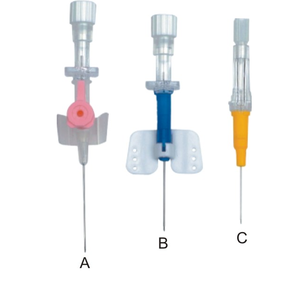
Integrated self-sealing internal septum valve stops blood backflow upon needle withdrawal, ensuring zero blood spill during luer-lock hub connections.
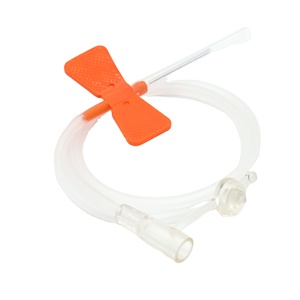
Tri-facet bevelled Japanese stainless steel needle design paired with lubricated catheter shaft for minimal tissue trauma during venipuncture.
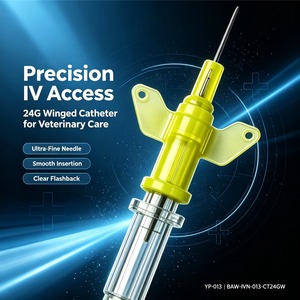
Flexible color-coded wings offer secure skin anchoring, reducing mechanical phlebitis risks in prolonged indwelling peripheral therapy.
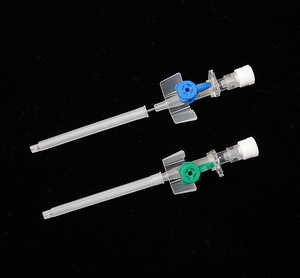
Equipped with a non-return snap-cap injection valve for rapid bolus medication administration without secondary needle puncture.
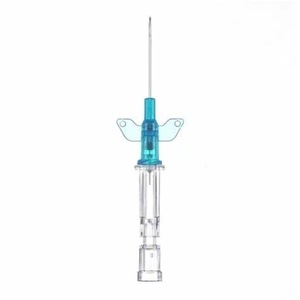
Ultra-thin wall catheter geometry maximizing volumetric flow rate for small, fragile venous pathways in pediatric and clinical oncology settings.
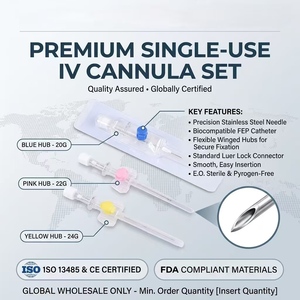
Optical-clarity flashback chamber providing immediate visual feedback of successful vein penetration before stylet withdrawal.
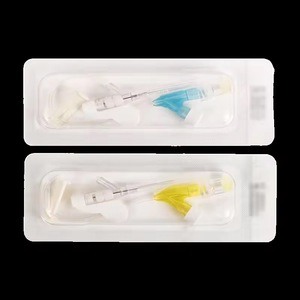
Designed for versatile clinical, emergency, and veterinary applications demanding robust blood containment and passive needle protection.
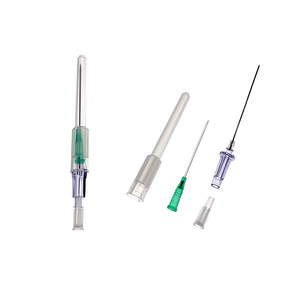
Comprehensive size portfolio optimized for animal hospitals, trauma clinics, and specialized surgical centers across Spain and Europe.
Peripheral intravenous catheterization (PIVC) remains the single most common invasive medical procedure performed in modern hospital environments, with hundreds of millions of insertions executed annually across the European Union. However, traditional IV cannulas present two major clinical hazards during venipuncture: uncontrolled blood leakage from the catheter hub upon needle withdrawal and accidental needlestick injuries (NSIs) to healthcare personnel.
Blood Control Technology (BCT) represents a fundamental biomechanical advancement in vascular access safety. Engineered with an internal self-sealing elastomeric septum valve located directly inside the catheter hub, BCT automatically restricts the flow of blood from the vein until an extension set or luer-lock connection is securely attached. This internal valve mechanism functions completely passively, eliminating the manual compression step (such as digital occlusion of the vein) historically performed by nurses—a maneuver notorious for inconsistent blood control and touch-contamination risks.
Clinical Information Gain: Comparative hospital trials indicate that implementing Blood Control Safety IV Catheters reduces blood exposure events by over 95%, slashes bed-linen and dressing contamination costs, and substantially lowers risk of blood-borne pathogen transmission (HBV, HCV, HIV) among emergency and intensive care nursing staff.
Multi-use internal silicone valve opens seamlessly upon luer insertion and automatically reseals upon disconnection, stopping blood egress during multiple line changes.
An internal stainless steel clip automatically encapsulates the sharp needle tip immediately as the stylet is withdrawn from the hub, requiring no additional activation steps.
Instant visual confirmation of successful needle insertion into the vein wall followed by rapid catheter flashback, maximizing first-stick insertion accuracy.
Spain’s decentralized national healthcare system—the Sistema Nacional de Salud (SNS)—is governed through 17 Autonomous Community health services including CatSalut (Catalonia), SAS (Servicio Andaluz de Salud), SERMAS (Madrid), and Sacyl (Castilla y León). Each autonomous health authority maintains stringent protocol standards for vascular access, placing high priority on patient safety, infection prevention, and nurse occupational protection.
In high-velocity emergency departments (Urgencias Hospitalarias) and mobile ICU ambulances across Madrid and Andalusia, paramedics encounter uncooperative, trauma, or hypotensive patients. Blood Control Safety IV Catheters eliminate blood splatter inside fast-moving vehicles and crowded trauma bays, allowing clinicians to stabilize line connections without contaminating sterile fields or field equipment.
Chemotherapy and biotherapy regimens require frequent IV line flushes, blood sampling, and secondary infusions. The self-sealing BCT septum valve permits multiple luer access events without exposing oncology patients with compromised immune systems to airborne pathogens or environmental contamination at the catheter hub.
Infants and pediatric patients present delicate, hyper-responsive venous vasculature. Utilizing ultra-fine 24G and 26G Blood Control IV Cannulas engineered with soft, biocompatible Polyurethane (PUR) reduces vein wall trauma while stopping blood loss that could induce anemia or distress in micro-premature infants.
Leading private healthcare consortiums in Spain—such as Quirónsalud, Vithas, and HM Hospitales—increasingly specify Blood Control Technology IV Catheters to minimize post-operative catheter-related bloodstream infections (CRBSIs), streamline nursing workflow, and uphold top-tier Joint Commission International (JCI) accreditation benchmarks.
Procuring single-use medical consumables for the Spanish market mandates compliance with rigorous regulatory frameworks supervised by the AEMPS (Agencia Española de Medicamentos y Productos Sanitarios) under the umbrella of the European Union Medical Device Regulation (EU MDR 2017/745).
| Regulatory / Trend Vector | Spanish & EU Mandate Requirement | Lars Medicare Compliance Standard |
|---|---|---|
| European Sharps Directive | Directive 2010/32/EU mandatory adoption requiring Safety Engineered Devices (SEDs) in all hospital wards. | 100% Passive Safety Shield Mechanism fully encapsulating needle tip on withdrawal; no active manual button needed. |
| EU MDR 2017/745 Certification | Transition from MDD to MDR Class IIa non-invasive / invasive channel device technical documentation. | CE certified by European Notified Body with complete Technical Documentation File, GSPR compliance, and UDI barcode tracking. |
| AEMPS National Registration | Product listing on the Spanish Registro de Productos Sanitarios (CCPS) prior to commercial hospital distribution. | Complete regulatory dossiers, Declaration of Conformity, IFU in Spanish language, and Free Sale Certificates (FSC). |
| Green Procurement & Eco-Design | Public tenders in SNS demand phthalate-free, DEHP-free, and non-PVC materials with low-weight recyclable blister packaging. | 100% DEHP-free and latex-free medical grade compounds tested per ISO 10993 biocompatibility guidelines. |
| Closed System Adoption | Growing preference for integrated closed-loop IV catheter systems with pre-attached extension tubing to reduce touch contamination. | Manufacturing capacity for both traditional ported IV cannulas and advanced integrated closed-system catheter assemblies. |
Our IV cannulas and blood control safety catheters are color-coded in exact adherence to ISO 10555-5 global standards. Below is the complete engineering specification guide for hospital buyers and tenders:
| Gauge Size | Color Code | Catheter O.D. (mm) | Catheter Length (mm) | Water Flow Rate (ml/min) | Primary Clinical Application in Spain |
|---|---|---|---|---|---|
| 14G | Orange | 2.1 mm | 45 mm / 50 mm | 270 - 290 ml/min | Trauma, Rapid Blood Transfusion, Emergency Resuscitation |
| 16G | Grey | 1.7 mm | 45 mm | 180 - 200 ml/min | Major Surgical Procedures, High-Volume Parenteral Fluids |
| 18G | Green | 1.3 mm | 32 mm / 45 mm | 85 - 105 ml/min | Routine Surgery, Blood Transfusions, Intensive Care (UCI) |
| 20G | Pink | 1.1 mm | 32 mm | 55 - 65 ml/min | Standard Adult Inpatient Wards, IV Medication & Hydration |
| 22G | Blue | 0.9 mm | 25 mm | 31 - 36 ml/min | Geriatric Patients, Small Veins, Oncology Infusion Clinics |
| 24G | Yellow | 0.7 mm | 19 mm | 18 - 22 ml/min | Paediatric Care, Fragile Superficial Vein Cannulation |
| 26G | Violet | 0.6 mm | 19 mm | 10 - 13 ml/min | Neonatal Intensive Care (UCIN), Extremely Fine Micro-Veins |
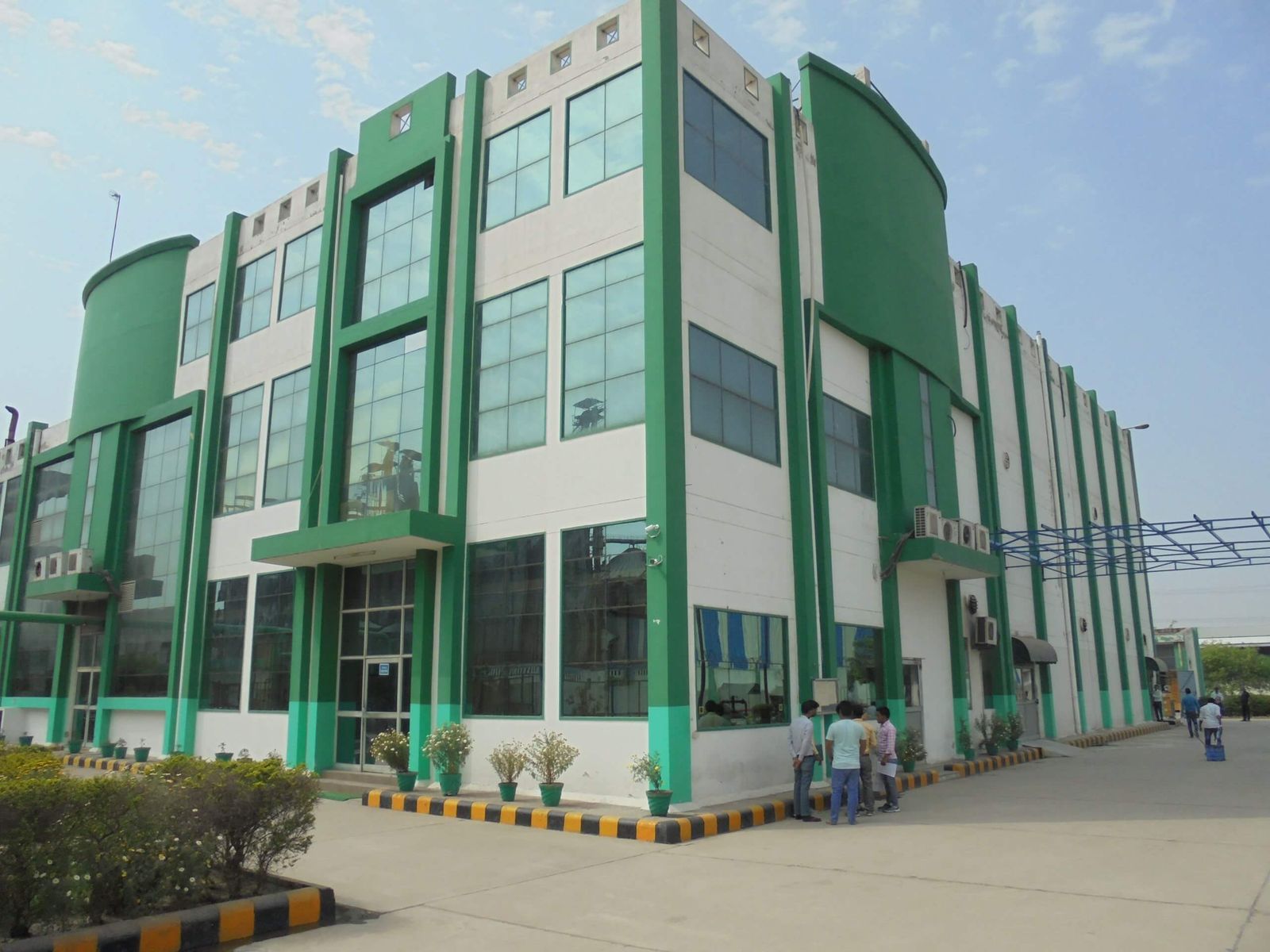
At Lars Medicare, we maintain complete operational ownership over every phase of medical disposable production. From custom mold tooling and automated injection molding to automated needle assembly, cleanroom packaging, and Ethylene Oxide (EO) sterilization, our unified manufacturing facility in Sonepat (Haryana) operates under a single ISO 13485:2016 quality management matrix.
Unlike trading intermediaries, our in-house tool room and automated optic quality-control systems allow us to modify catheter gauge specs, packaging dimensions, and private-label artwork rapidly without third-party bottlenecks. We provide fully compliant Spanish market OEM solutions for international medical distributors, private hospital groups, and public tender contractors.
Clear, direct answers regarding regulatory compliance, OEM customization, minimum order quantities, and logistics for Spain and the EU.
Yes. Every shipment of our Blood Control Technology IV Catheters and Safety IV Cannulas is accompanied by CE Certification issued under EU MDR standards, ISO 13485:2016 Quality System documentation, EC Declaration of Conformity, Certificate of Free Sale (CFS), and batch-specific Certificates of Analysis (CoA). We fully assist Spanish medical device importers with technical files required for AEMPS registration in the CCPS database.
Absolutely. We offer complete OEM and private-label manufacturing options. This includes customized blister film printing, multilingual Instructions for Use (IFU) in Castilian Spanish, UDI-ready GS1 compliant barcoding, custom inner carton packaging, and customized outer shipping boxes configured to match your brand specifications or Spanish regional tender requirements.
Our device combines two essential safety barriers: First, an automatic passive needle-shielding clip encapsulates the sharp needle tip as it is pulled from the catheter hub, rendering the sharp safe without requiring manual clinician activation. Second, an internal elastomeric septum valve acts as a blood control barrier, preventing blood escaping from the catheter hub. This dual protection eliminates blood exposure and sharps injuries during high-stress procedures.
For standard neutral-brand product SKUs, minimum order quantities start at 1 mixed pallet. For customized private-label OEM programs, MOQ is typically 50,000 units per gauge size depending on printing configurations. Standard lead times for repeat orders are 3 to 4 weeks, while initial OEM orders ship within 5 to 6 weeks following artwork approval and sterilization cycle validation.
We work flexibly across FOB, CIF, and DDP (Delivered Duty Paid) Incoterms. Sea freight consignments are shipped via container ports at Nhava Sheva or Mundra directly to major Spanish maritime ports including **Valencia, Barcelona, Algeciras, and Bilbao**. Air cargo shipments are routed via Delhi (DEL) to **Adolfo Suárez Madrid-Barajas (MAD)** or **Josep Tarradellas Barcelona-El Prat (BCN)**.
Yes. We offer both Fluorinated Ethylene Propylene (FEP) and medical-grade Polyurethane (PUR) catheter formulations. Polyurethane catheters soften in situ at body temperature, minimizing mechanical vascular irritation, phlebitis, and catheter kinks, making them highly preferred in European hospital tenders.
Sterilization is conducted in-house using validated industrial Ethylene Oxide (EO) chambers adhering to ISO 11135 standards. Every production lot undergoes rigorous biological indicator testing, EO residue analysis, and bacterial endotoxin (LAL) testing to confirm non-pyrogenicity prior to formal QA release.