
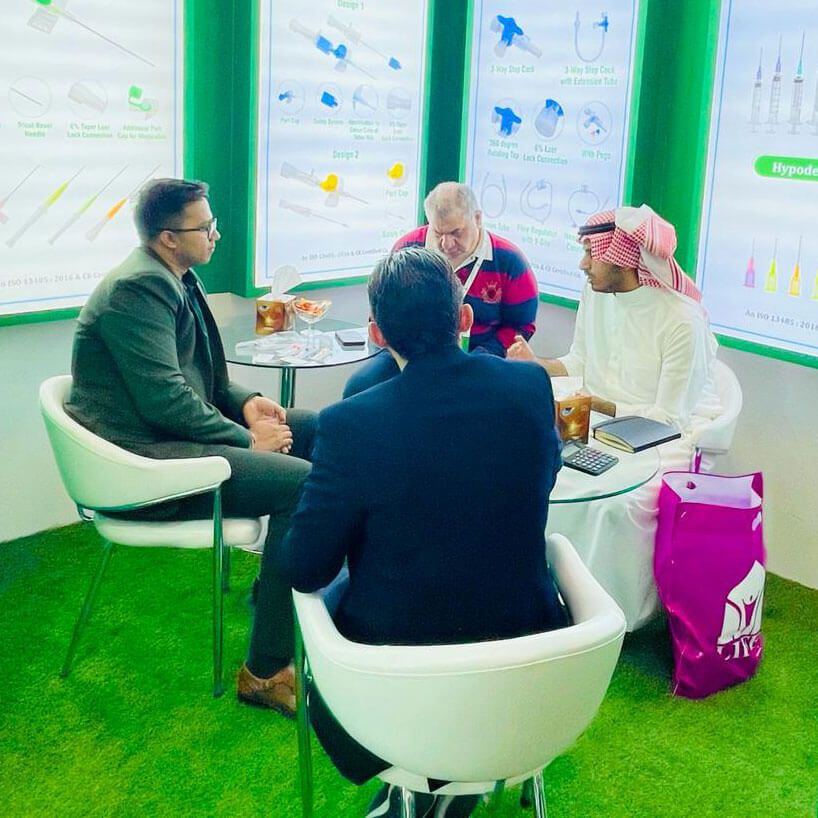
MEDICA 2026 | 16–19 November 2026 | Hall 6, Stall F37 | Düsseldorf, Germany
Fully compliant with ISO 80369-7 Luer standards, PMDA import criteria, and high-pressure lipid resistance requirements.
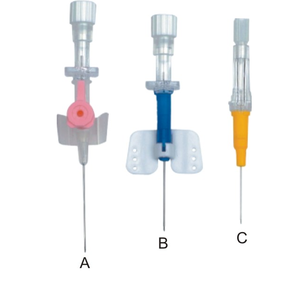
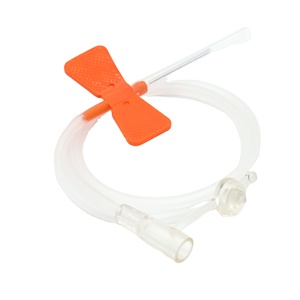
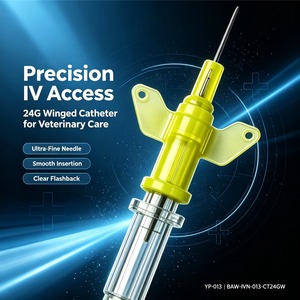
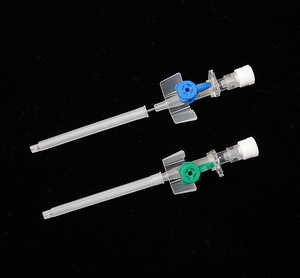
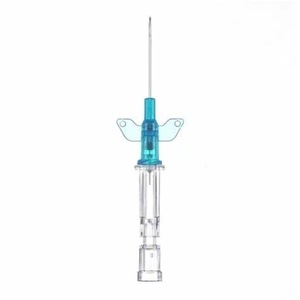
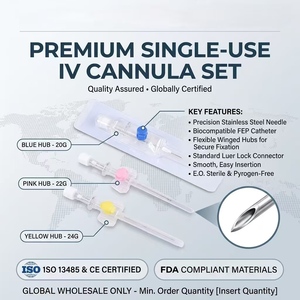
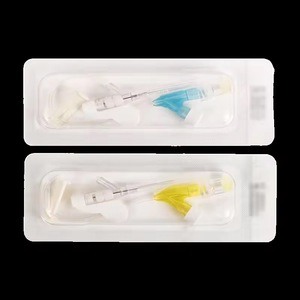
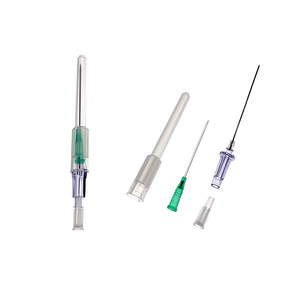
As the central industrial power of Aichi Prefecture and the broader Chubu region, Nagoya represents one of Asia’s most sophisticated medical device and hospital markets. Hosting premier medical research institutions such as Nagoya University Hospital, Fujita Health University Hospital, and the Aichi Cancer Center, the region demands uncompromising standards for single-use intravenous devices, pressure-monitoring manifolds, and multi-port stopcock valves.
Medical device importers, OEM brand owners, and tender suppliers serving Nagoya operate under strict regulatory scrutiny enforced by Japan’s Pharmaceuticals and Medical Devices Agency (PMDA) under the Ministry of Health, Labour and Welfare (MHLW). A primary technical obstacle for medical distributors in Nagoya is finding an OEM/ODM manufacturing partner capable of combining high-precision injection moulding, lipid-resistant material formulations, zero dead-space fluid pathways, and full ISO 80369-7 compliance without driving up unit costs.
Intravenous therapy protocols across Aichi Prefecture acute-care wards rely heavily on multi-line infusion setups. Whether administering lipid emulsions, chemotherapy agents, or anesthetic fluids (such as propofol), standard polycarbonate stopcocks are prone to micro-cracking due to chemical degradation.
Our OEM/ODM manufacturing facility engineers stopcock body valves using advanced modified polycarbonate (PC) and polysulfone (PSU) blends specifically designed to withstand lipid exposure, high operating pressures up to 4.5 bar (65 psi), and prolonged stress without stress-crazing or fluid leakage.
Medical stopcock valves act as critical fluid direction controllers in acute IV administration, hemodynamic monitoring, and anesthesia delivery. A single structural failure or micro-leak can lead to catheter-related bloodstream infections (CRBSIs), air embolisms, or inaccurate drug dosing.
Designed strictly under ISO 80369-7 standards for small-bore connectors, eliminating misconnection risks with enteral or neuraxial lines while ensuring effortless 6% Luer taper lock with all standard IV catheters and extension sets.
Moulded from specialized medical-grade lipid-resistant polycarbonate. Eliminates lipid-induced environmental stress cracking during TPN (Total Parenteral Nutrition) and lipid drug infusions.
Internal fluid channels are micro-machined to minimize internal priming volume (< 0.05 mL), preventing drug retention, fluid stagnation, and bacterial colonization zones within the valve core.
| Performance Specification | Standard Commercial Stopcocks | Our Nagoya-Grade OEM/ODM Stopcocks | Clinical Advantage in Hospital Wards |
|---|---|---|---|
| Body Material | Standard Polycarbonate (PC) | Lipid-Resistant PC / Polysulfone (PSU) | Zero cracking during 72-hour lipid & propofol infusion |
| Pressure Rating | 2.0 to 3.0 bar (30-45 psi) | 4.5 bar (65 psi) / High Pressure 800 psi | Prevents blowout during rapid bolus & arterial monitoring |
| Rotation Torque | Variable / Stiff Handle | Smooth 360° Tactile Click (Smooth Flow) | Prevents accidental line displacement by nursing staff |
| Residual Dead Space | 0.12 mL – 0.18 mL | < 0.045 mL (Ultra-low priming volume) | Ensures precise dosing in pediatric & critical care cases |
| Luer Lock Standard | Legacy ISO 594 | Strict ISO 80369-7 Compliant | Guarantees leak-free connection across international brands |
| Biocompatibility | Basic ISO 10993 | Full ISO 10993 (Parts 1, 5, 7, 10, 11) | Fully validated for PMDA & CE medical dossier submission |
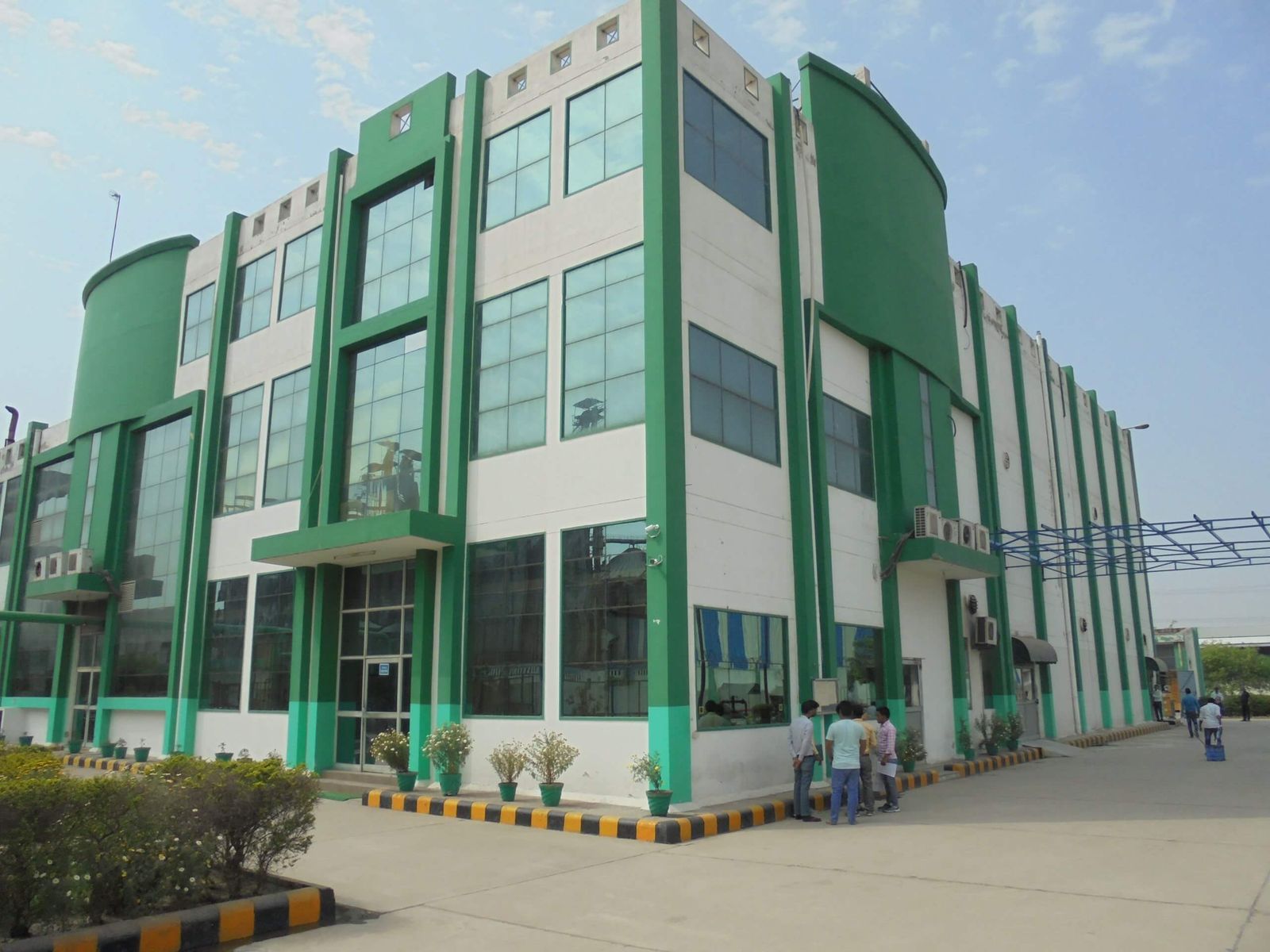
Building a successful medical device brand in Japan requires agile manufacturing capabilities. Our fully integrated production plant in Sonepat, India, combined with our strategic logistics node in Milton, Canada, provides complete end-to-end OEM/ODM custom solutions for healthcare partners across Nagoya and the Chubu district.
To reduce medication administration errors in high-stress environments such as ICUs and operating theaters, we provide fully customizable handle colors (Red for arterial, Blue for venous, Yellow for oncology, White/Clear for general infusion) with 360° arrow indicators defining open and closed fluid channels.
We supply standalone 3-way stopcocks as well as integrated stopcock manifolds (2-way, 3-way, 4-way gang systems) equipped with DEHP-free, phthalate-free, or PE-lined kink-resistant extension lines (lengths from 10 cm to 200 cm) tailored to customer specification.
We offer specialized private-label blister packaging, peelable Tyvek pouches, localized Japanese typography artwork, GTIN barcoding, and UDI (Unique Device Identification) compliance ready for smooth customs release at Nagoya Port or Chubu Centrair International Airport.
With an in-house precision CNC tool room, we can design custom stopcock body moulds, modify hub dimensions, and produce functional evaluation prototypes within 3 to 4 weeks, drastically shortening your market entry timeline.
Understanding regional clinical trends is vital for medical equipment importers and hospital supply directors in Nagoya. Aichi Prefecture's medical procurement ecosystem is undergoing structural shifts driven by demographic dynamics and technological advancements:
With Japan's rapidly aging demographic, Nagoya hospitals are shifting chronic infusion and palliative treatments to homecare environments. This increases demand for compact, highly reliable stopcock extension sets that patients or caregivers can operate safely without line disconnections.
Hospital infection control committees in Greater Nagoya are mandating needleless access valves and passive safety IV catheters. Our stopcocks integrate seamlessly with needleless swabable valves, creating a closed system that drastically cuts needlestick injuries and catheter contamination.
Recent global shipping bottlenecks have led Nagoya medical procurement managers to seek resilient OEM partners outside traditional single-country concentration. Lars Medicare offers multi-location logistics support and stable production runs to ensure continuous hospital stock availability.
At Lars Medicare, quality assurance is not a spot-check sampling process—it is integrated into every step of manufacturing. Every single stopcock valve produced on our automated assembly lines undergoes strict quality checks before packaging:
Clear, direct answers regarding regulatory clearance, order logistics, material compliance, and OEM branding.
Every shipment is backed by an ISO 13485:2016 Quality Management System certificate, CE Mark certification under European MDR standards, EC Declaration of Conformity, and batch-specific Certificates of Analysis (CoA). For importers in Japan seeking PMDA registration, we provide complete Summary Technical Documentation (STED) files, biocompatibility test reports as per ISO 10993, and ethylene oxide sterilization validation reports per ISO 11135.
Standard medical polycarbonates suffer environmental stress cracking (ESC) when exposed to lipid emulsions, chemotherapy drugs, or alcohol-based solutions. Our OEM stopcock valves are molded from specially synthesized lipid-resistant polycarbonate or high-tier polysulfone (PSU). These materials maintain structural integrity, handle torque resistance, and fluid tightness even during continuous 72-hour lipid administration.
For standard neutral-pack stopcock valves and IV cannulas, minimum orders can start from 10,000 units (or 1 mixed master pallet). For custom OEM programs featuring customized color handles, specialized packaging, and private-label branding, MOQs are determined per SKU (typically 50,000 units). Standard repeat production runs ship within 3 to 4 weeks, while first-time OEM tooling setup takes approximately 5 to 6 weeks.
Yes. We offer fully integrated ODM stopcock extension sets. Options include standard PVC, DEHP-free PVC, or polyethylene-lined (PE) tubing with custom inner/outer diameters and lengths ranging from 10 cm to 200 cm. You can also specify pre-attached needle-free connectors, red/blue color-coded clamps, and Luer lock swivel collars.
We support standard export Incoterms including FOB, CIF (Nagoya Port / Chubu Centrair Airport), and DDP. Cargo is containerized directly at our Sonepat facility and dispatched via Nhava Sheva or Mundra ports, or air-freighted via Delhi (DEL) Cargo Complex. All shipping documentation—including Bills of Lading, Certificate of Origin, Packing Lists, and Commercial Invoices—is meticulously validated prior to vessel departure.
Yes. All male and female Luer lock connectors across our stopcock valve and catheter lines strictly adhere to ISO 80369-7 dimension specs. This ensures robust mechanical engagement, zero fluid leakage under high pressure, and total inter-brand compatibility with all hospital infusion pumps, syringes, and vascular lines used in Japan.
Partner directly with a certified medical device manufacturer. Access high-grade 3-way stopcocks, safety IV cannulas, and customized infusion sets engineered for the clinical demands of Nagoya and international markets.
