MEDICA 2026 | 16–19 November 2026 | Hall 6, Stall F37 | Düsseldorf, Germany
Direct factory supply of medical-grade feeding tubes, infant enteral lines, ENFit syringes, and veterinary delivery systems engineered for performance, patient safety, and regulatory compliance in Peru.
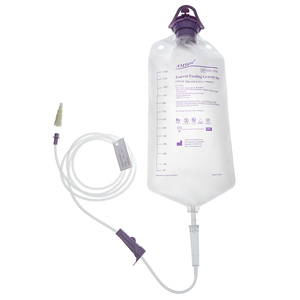
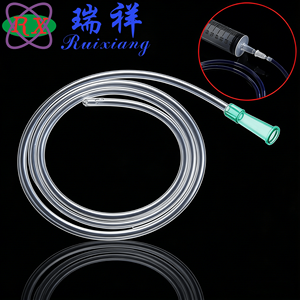
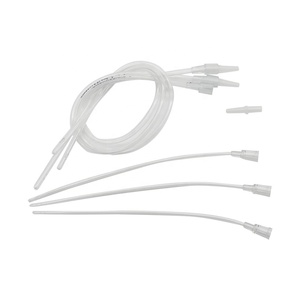
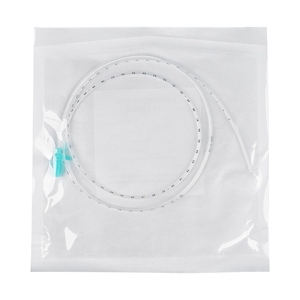
An authoritative analysis of material selection, international safety standards, and commercial procurement parameters for Peruvian healthcare importers and institutional buyers.
Preventing inadvertent connection between enteral feeding lines and intravenous IV catheters. Mandatory compliance features engineered for hospital tenders across MINSA and EsSalud networks in Peru.
Utilizing DEHP-free PVC, platinum-cured liquid silicone rubber (LSR), and medical-grade Thermoplastic Polyurethane (TPU) to prevent tissue irritation and plasticizer leaching during long-term indwelling use.
Factory-provided documentation including ISO 13485 certificates, CE declarations of conformity, batch Certificate of Analysis (CoA), and Ethylene Oxide (EO) sterilization validation report for seamless product registration.
| Material Type | Indwelling Duration | Flexibility & Comfort | Lipid & Formula Resistance | Primary Clinical Target (Peru Market) |
|---|---|---|---|---|
| DEHP-Free Medical PVC | Short-Term (< 14 Days) | Moderate (Firm at room temp, softens in body) | Good for standard enteral formulas | General hospital wards, emergency feeding, short-term pediatric care. |
| Medical Grade TPU (Polyurethane) | Medium to Long-Term (Up to 30 Days) | High (Softens rapidly at body temperature) | Excellent resistance to oil-based nutrition solutions | ICU, adult/pediatric long-term clinical care, veterinary clinics. |
| Platinum-Cured Liquid Silicone | Long-Term (> 30 Days) | Maximum (Ultra-flexible, bio-inert) | Superior long-term structural integrity | Neonatal Intensive Care Units (NICU), pediatric stomach feeding, homecare. |
Understanding regional demand dynamics from public hospital networks in Metropolitan Lima to agro-industrial poultry and livestock facilities in Northern and Southern Peru.
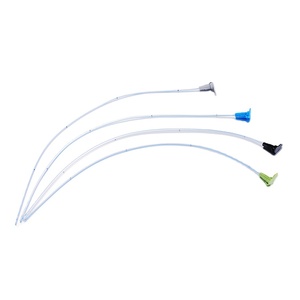
High-volume clinical demand in Lima, Arequipa, Trujillo, and Chiclayo requires standardized, sterile nasogastric (NG) and nasojejunal (NJ) tubes. Public tenders prioritize ISO 13485 certification, DEHP-free formulations, and dual-lumen suction/feeding capabilities to optimize ICU patient outcomes.
Specialized pediatric facilities, such as the Instituto Nacional de Salud del Niño (INSN) in Peru, mandate ultra-soft silicone and non-toxic PVC infant feeding tubes (4Fr to 10Fr). Low insertion resistance, precise centimeter markings, and smooth lateral eyelets prevent mucosal trauma in vulnerable neonates.
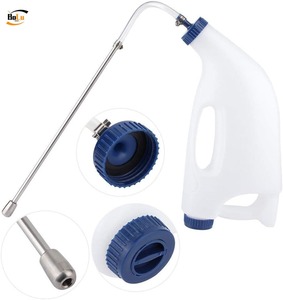
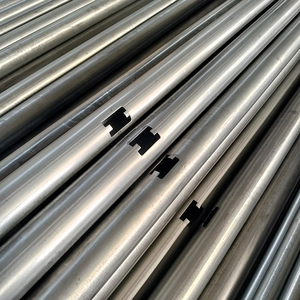
Peru’s expanding agricultural hubs—including dairy farms in Cajamarca and Arequipa, alongside commercial poultry producers in Ica and La Libertad—utilize specialized esophagus feeding probes, calf drenching tube bottles, and automated poultry feed line tubing (such as the RS-108 galvanized system).
Delivering consistent quality, volume scale, and regulatory precision to global distribution partners.
Key economic and administrative factors influencing medical supply procurement and feeding tube distribution in Peru.
The Dirección General de Medicamentos, Insumos y Drogas (DIGEMID) under MINSA has tightened quality verification for Class II disposable medical devices. Foreign medical manufacturers must provide validated technical dossiers, including Certificate of Free Sale (CFS) legalized via Apostille or Peruvian Consulate, along with ISO 13485:2016 accreditation.
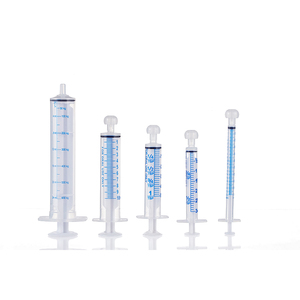
To eliminate adverse clinical events caused by misconnecting enteral lines into IV access ports, Peruvian medical directors are rapidly phasing out legacy luer lock connectors in favor of ISO 80369-3 ENFit compliant systems. Factory-direct sourcing guarantees access to updated tooling without intermediary markups.
Post-pandemic healthcare expansion in Metropolitan Lima has driven demand for long-term TPU nasogastric tubes and enteral feeding bag sets for home care. Importers seeking high-margin opportunities are expanding private-label product lines tailored to non-hospital enteral nutrition.
Bulk shipments routed through the Port of Callao benefit from streamlined customs clearance when supported by accurate bill of lading descriptions, Spanish-language outer carton labeling, and complete batch sterilization records directly from the producing factory.
Integrated manufacturing capabilities—from precision mold tooling to cleanroom assembly—tailored for distributor growth and tender competitiveness.
We engineer custom molds, tube gauges (4Fr to 24Fr), custom tube lengths, and specialized tip geometries without relying on third-party sub-contractors, shortening product development cycles for OEM clients.
Full private-label customization including Spanish Instructions for Use (IFU), specialized primary blister pouch artwork, UDI-ready barcodes, and customized master carton dimensions tailored to Peruvian market norms.
Every lot undergoes validated Ethylene Oxide (EO) sterilization, bio-burden analysis, residual EO content testing, and tensile pull testing to ensure 100% compliance with international medical device directives.
Essential guidance for medical device distributors, procurement officers, and regulatory managers in Peru.
We provide full regulatory technical dossiers required by DIGEMID (Dirección General de Medicamentos, Insumos y Drogas) for Class II medical devices. This includes ISO 13485:2016 certificate, CE Certificate of Conformity, Certificate of Free Sale (CFS) legalized via Apostille or Peruvian Embassy, complete raw material biocompatibility reports (ISO 10993), packaging stability test data, and batch-specific Certificates of Analysis (CoA).
Yes. We manufacture feeding tubes, enteral feeding bags, and enteral syringes equipped with standard ISO 80369-3 ENFit connectors. This design prevents cross-connection with intravenous (IV) systems, satisfying modern safety requirements mandated in public hospital tenders across MINSA and EsSalud networks in Peru.
For standard catalogue feeding tubes in neutral sterile packaging, minimum orders can start from 5,000 to 10,000 units depending on the SKU (or mixed container pallets). For custom OEM programs with customized Spanish packaging and private labeling, MOQs are determined per gauge size. Standard production lead time is 3 to 4 weeks following artwork approval, with sea freight transit to the Port of Callao typically taking 30 to 40 days.
Absolute transparency: Yes. Our entire pediatric and infant feeding tube catalog (sizes 4Fr to 10Fr) can be produced using 100% DEHP-free medical-grade PVC or platinum-cured liquid silicone rubber. All components are latex-free to prevent allergic reactions in vulnerable pediatric ICU patients.
Yes. Our medical-grade TPU (Thermoplastic Polyurethane) nasogastric feeding tubes are specifically designed for medium to long-term clinical application (up to 30 days). TPU material softens at body temperature, significantly reducing mucosal friction and tissue injury while resisting degradation from stomach acids and lipid nutrition formulas.
Our graphics team assists with artwork layout for primary sterile pouches, inner box cartons, and outer shipping master cases. We ensure all text complies with Peruvian medical device labeling rules, including clear Spanish language warnings, storage conditions, sterile EO symbols, expiration dates, lot numbers, and UDI barcode structures.
For Peru’s dairy, livestock, and poultry production markets, we produce heavy-duty 4-liter PP calf feeding tube bottles, flexible esophageal drenching tubes, avian oral gavage cannulas (2mm/3mm OD), and galvanized steel poultry feed line piping systems (RS-108 model).
Expand your medical supply portfolio with ISO 13485 & CE certified feeding tubes, ENFit delivery sets, and specialized veterinary products. Contact our international export department today for technical specifications, product samples, and direct factory pricing.