
MEDICA 2026 | 16–19 November 2026 | Hall 6, Stall F37 | Düsseldorf, Germany
Manufactured under stringent Class 100,000 cleanroom environments. Validated for sharp edge retention, gamma/EO sterility compliance, and ISO 7740 standard fitment for Hungarian health institutions.
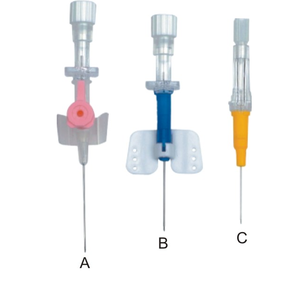
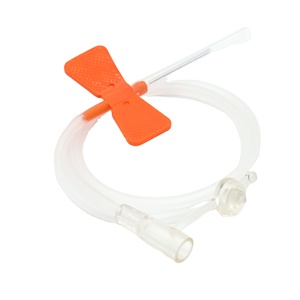

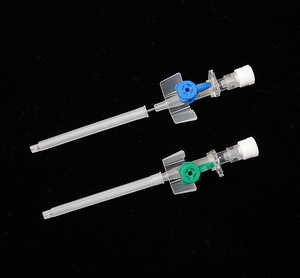
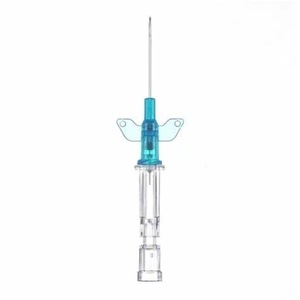
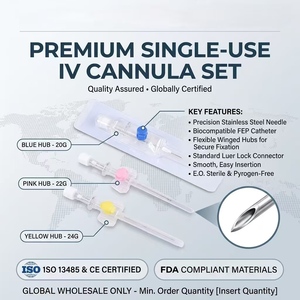
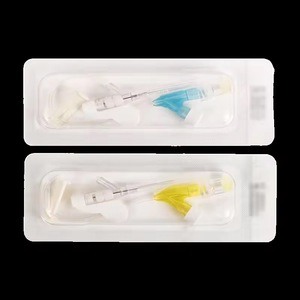
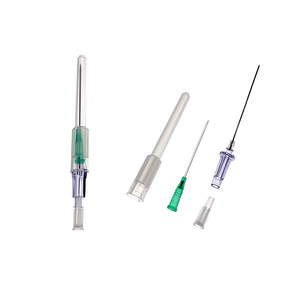
Hungary's healthcare infrastructure—managed under the central direction of the National Healthcare Service Center (OKFŐ) and regulated by the National Institute of Pharmacy and Nutrition (OGYÉI / Nemzeti Népegészségügyi és Gyógyszerészeti Központ)—imposes rigorous quality standards on imported class IIa and class I sterile medical disposables. As Hungarian hospital networks, university clinics (such as Semmelweis, University of Debrecen, and University of Szeged), and private surgical centers update their procurement protocols, direct factory sourcing from top-tier Chinese manufacturers has transformed from a cost-reduction tactic into a strategic supply chain imperative.
To legally enter the Hungarian and broader European Union market, surgical scalpel blades and medical disposables must rigorously fulfill the European Medical Device Regulation (EU MDR 2017/745). Leading Chinese export factories maintain complete Technical Documentation (TD), validated Notified Body CE Certification, ISO 13485:2016 Quality Management Systems, and automated Unique Device Identification (UDI) tracking linked to the EUDAMED database. This regulatory rigor ensures seamless customs release at major Central European logistics nodes, eliminating shipment hold-ups for Hungarian importers.
The performance of a surgical scalpel blade relies heavily on its metallurgical composition, precise sharpening angles, and heat treatment consistency. Premium Chinese OEM factories utilize specialized Swiss-imported automatic sharpening centers and continuous heat-treatment belt furnaces to manufacture blades that balance extreme initial sharpness with tissue-cut longevity.
Hardness: Hardened to 750–820 HV (Rockwell HRC 60–64).
Sharpness Metric: Engineered for superior initial piercing force (<1.2 N cut force test).
Clinical Preference: Preferred in Hungarian general operating theaters where smooth, low-friction initial incisions through dense dermal layer are paramount.
Sterilization: Validated Gamma Radiation (25 kGy) sealed in anti-corrosive VCI foil packaging.
Hardness: Tempered to 680–740 HV (Rockwell HRC 56–59).
Corrosion Resistance: High chromium content prevents pitting during exposure to saline solutions or bodily fluids.
Clinical Preference: Essential for specialized orthopedic, vascular, and moist field procedures in hospital surgical units.
Sterilization: Ethylene Oxide (EO) or Gamma-ray validated with zero chemical residue.
Standardization according to ISO 7740 (Instruments for surgery — Scalpels with detachable blades — Fitting dimensions) and BS 2982 guarantees that blades supplied by Chinese factories fit flawlessly onto universal reusable surgical handles (No. 3, No. 4, No. 7, No. 9) utilized across European operating rooms.
| Blade Model | Compatible Handle | Primary Clinical Application | Standard Material Options | EU Tender Pack Specs |
|---|---|---|---|---|
| Blade #10 | Handle No. 3, 3L, 7, 9 | Large, curved dermal incisions in general & abdominal surgery | Carbon Steel T10A / Stainless AISI 420C | 100 pcs/box, 10,000 pcs/master carton |
| Blade #11 | Handle No. 3, 3L, 7, 9 | Stab incisions, arteriotomy, abscess drainage, microsurgery | High-Carbon Steel / Ultra-Sharp Stainless | Individual sterile peel foil pouch with indicator |
| Blade #12 / #12D | Handle No. 3, 3L | Suture removal, ENT suture cutting, specialized dental surgery | Martensitic Stainless Steel | 100 pcs/inner box, moisture-proof sealed |
| Blade #15 / #15C | Handle No. 3, 3L, 7, 9 | Precise small incisions, plastic surgery, dermatology, pediatrics | Ultra-hard Carbon Steel / Surgical Stainless | Double-barrier sterile medical grade packaging |
| Blade #20 & #21 | Handle No. 4, 4L | Large tissue dissection, thoracic surgery, autopsy procedures | T10A Carbon Steel / AISI 420C Stainless | Export palletized cartons, UDI barcode compliant |
| Blade #22 & #23 | Handle No. 4, 4L | Deep tissue, cardiac surgery, heavy dermal incisions | High-carbon tempered surgical steel | 100 pcs/box, 50 boxes/case (5,000 total) |
Tailoring blade geometry, packaging formats, and logistics routines to the exact requirements of Hungarian medical institutions.
Public regional hospital groups (Megyei Kórházak) require high-volume reliability, strict lot-to-lot consistency, and standard 100-count dispenser boxes with Hungarian language labeling (IFUs) and localized EAN/GS1 barcodes. OEM shipments directly serve bulk central supply departments (Központi Raktár).
Boutique plastic surgery centers in Budapest (District V, XII, and Buda region) demand specialized micro-blades (#15C, #11) with customized low insertion force. High-clarity double foil blister packs ensure tactile opening ease without risking sterile field contamination.
Hungary’s vast livestock and veterinary research centers require heavy-duty scalpel blades (#20, #22, #24) supplied with reinforced spine geometry. Resistance to premature dulling during thick hide incision is key for regional agrarian suppliers.
Unlike trading intermediaries, tier-1 Chinese factories operate fully vertically integrated production campuses. From raw steel coil slitting and automated CNC stamping to optical bevel inspection, cleanroom assembly, and EO/Gamma sterilization—every step takes place under unified quality oversight.
Addressing core procurement, regulatory, and logistics queries from Hungarian healthcare buyers.
Request factory-direct quotations, clinical samples, technical dossiers, and OEM pricing customized for your Hungarian distribution channel or hospital tender bid.