
MEDICA 2026 | 16–19 November 2026 | Hall 6, Stall F37 | Düsseldorf, Germany
The healthcare system in Kenya is undergoing a rapid structural transformation under the Universal Health Coverage (UHC) framework, spearheaded by the Ministry of Health (MoH) and executed across 47 county hospital networks. Central to this clinical expansion is the demand for precision medical consumables that fulfill stringent international safety benchmarks while withstanding demanding local operating conditions. As a leading manufacturer and exporter of single-use medical devices certified under CE and ISO 13485:2016, our enterprise specializes in delivering high-volume, hospital-grade Vented IV Infusion Sets, Safety Catheters, and Peripheral Intravenous Access Systems engineered specifically for Kenyan public healthcare tenders and private healthcare providers.
Navigating medical device procurement in East Africa requires strict alignment with the regulatory directives of the Pharmacy and Poisons Board (PPB) Kenya and compliance with the Kenya Bureau of Standards (KEBS) Pre-Export Verification of Conformity (PVoC) parameters. This technical guide outlines the engineering specifications, local clinical application scenarios, regulatory compliance roadmaps, and factory-direct procurement advantages designed to empower Kenya’s medical importers, hospital supply directors, and distributor networks.
Explore our hospital-validated range of disposable IV infusion sets and IV cannulas manufactured in ISO Class 8 cleanroom environments with full batch traceability.
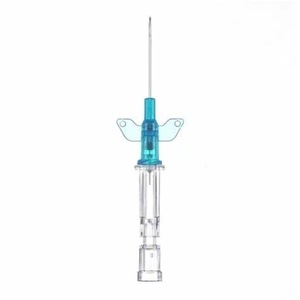
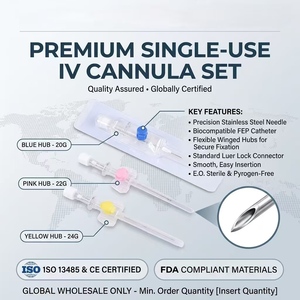
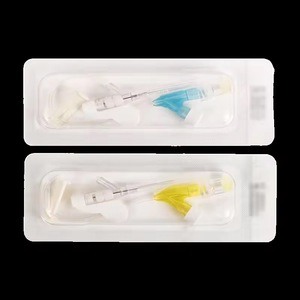
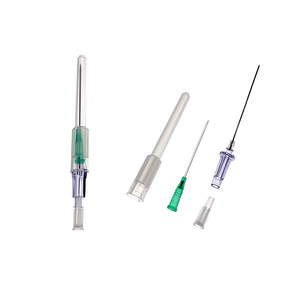
In intravenous therapy, selecting between a vented infusion set and a non-vented infusion set is governed by the structural container holding the parenteral fluid. Understanding this physical mechanism is vital for hospital procurement committees in Kenya to prevent clinical complications such as vacuum locks or fluid flow stagnation.
Vented sets feature an integrated air vent located above the drip chamber, fitted with a hydrophobic bacterial air filter (typically 0.22 micron). When rigid glass bottles or semi-rigid plastic containers (such as polyethylene or polypropylene infusion bottles widely used in Kenyan public hospitals) are used, fluid withdrawal creates a negative pressure internal vacuum. The hydrophobic vent allows atmospheric air to enter the container while blocking microbial contaminants, allowing continuous gravity-fed fluid flow.
Non-vented infusion sets are designed exclusively for collapsible plastic IV bags (such as PVC or EVA soft bags). As fluid drains, the flexible container naturally collapses inward under atmospheric pressure, eliminating the need for an air inlet. Using a non-vented set with a rigid glass bottle will cause the flow to stall rapidly due to internal vacuum build-up.
Due to the mixed inventory of IV fluid packaging in Kenya—where regional pharmaceutical manufacturers supply both semi-rigid blow-fill-seal (BFS) bottles and soft bags—Vented IV Infusion Sets with closing snap-caps represent the most versatile choice. Nurses can keep the vent open for rigid bottles or close the snap-cap for soft collapsible bags, mitigating inventory complexity and preventing bedside procedural errors.
| Feature Parameter | Vented IV Infusion Set (Hospital Grade) | Pediatric Micro-Drip Infusion Set | Blood Transfusion Set |
|---|---|---|---|
| Drip Rate Calibration | 20 drops/mL (Macro-drip) | 60 drops/mL (Micro-drip) | 20 drops/mL (Macro-drip) |
| Air Vent System | Hydrophobic 0.22µm Filter with Snap Cap | Optional Hydrophobic Vent / Burette Vent | Non-vented / Vented dual spike option |
| Fluid Filter Mesh | 15µm – 20µm Nylon Mesh in Chamber | 15µm Fluid Filter | 200µm Blood Clot Filter Screen |
| Tubing Material | Medical Grade PVC (DEHP-Free available) | DEHP-Free / Phthalate-Free TPU | Flexible Kink-Resistant Medical PVC |
| Connector Standard | Luer Lock / Luer Slip per ISO 80369-7 | Rotating Luer Lock with Protective Cap | Heavy-Duty Male Luer Lock |
| Sterilization Method | Ethylene Oxide (EO) Gas (SAL 10⁻⁶) | Ethylene Oxide (EO) Gas | Ethylene Oxide (EO) Gas |
Supplying medical disposables to Kenya requires a granular understanding of the operational realities within both rural health centers (Level 2 & Level 3) and tertiary referral institutions (Level 5 & Level 6 hospitals such as Kenyatta National Hospital, Moi Teaching and Referral Hospital, and regional county referral centers).
In high-turnover inpatient wards and intensive care units in Nairobi, Mombasa, and Kisumu, continuous intravenous delivery of physiological saline, Ringer's lactate, and intravenous antibiotics requires highly stable flow control. Our vented IV sets feature precision roller clamps engineered from high-density polyethylene (HDPE) that maintain constant drop rates over extended periods without plastic creep or flow degradation.
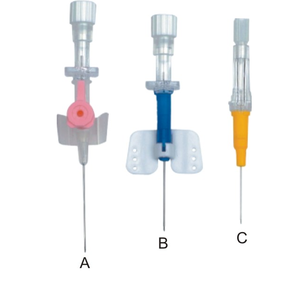
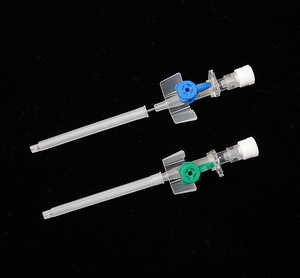
During seasonal cholera outbreaks or severe gastroenteritis surges in arid and semi-arid lands (ASAL counties such as Turkana, Garissa, and Marsabit), rapid fluid resuscitation is lifesaving. The combination of our 18G/20G high-flow IV Cannulas with Flashback Chambers and sharp puncture-resistant IV set spikes enables clinical staff to establish venous lines instantly under low-light or field emergency conditions.
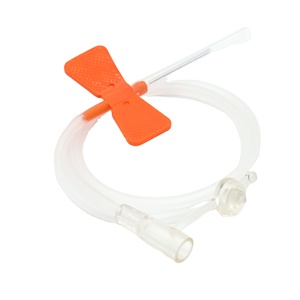
Kenya’s agricultural sector relies heavily on pastoral livestock health and veterinary clinics across Rift Valley and Central provinces. Our specialized range of 14G, 16G, and 18G Butterfly Veterinary IV Cannulas and heavy-duty animal infusion sets cater directly to large animal treatment (cattle, equine, and camel rehydration), resisting mechanical strain and high infusion pressures.
Understanding the legal and market dynamics in East Africa is critical for institutional buyers and commercial medical device importers. Over the past decade, Kenya has instituted rigorous quality controls to curb sub-standard medical imports.
All medical disposables imported into Kenya must be registered with the PPB under the Ministry of Health. Manufacturers must provide a full Technical Master File (TMF), including ISO 13485 certificates, CE Declarations of Conformity, product packaging artwork in English, and real-time stability test reports. Our regulatory export department assists Kenyan importers directly by providing complete regulatory dossier packages to accelerate local marketing authorization.
Prior to shipping containerized cargo from China to Kilindini Harbour (Port of Mombasa) or Inland Container Depot (ICD Embakasi, Nairobi), consignments must undergo Pre-Export Verification of Conformity (PVoC). Authorized inspection agents (such as SGS, Intertek, or QISJ) issue a Certificate of Conformity (CoC) verifying physical inspection, packaging integrity, and label compliance. We provide full facility access for inspection officers to guarantee hassle-free customs clearance.
Kenyan private healthcare networks (such as Aga Khan University Hospital, The Nairobi Hospital, and M.P. Shah Hospital) are rapidly transitioning toward DEHP-free PVC infusion tubing and Safety IV Cannulas with automatic needle shielding. This movement is driven by international patient safety standards and occupational guidelines aimed at eliminating accidental needlestick injuries (NSIs) among nursing staff and avoiding phthalate leaching during extended pediatric infusions.
As a dedicated original equipment manufacturer (OEM) and exporter, our production ecosystem in China integrates every critical phase of manufacturing under one cleanroom facility. We eliminate middleman markups, ensuring competitive landed costs for Kenyan distributors without compromising medical safety.
We operate fully automated high-precision injection moulding machinery and an in-house tool room. This allows us to modify drip chamber dimensions, gauge color codes, and tubing lengths according to client specifications or tender requirements.
Ethylene Oxide (EO) sterilization chambers operate under strict computer-controlled parameters. Every production batch is validated with biological indicators, physical sensors, and EO residual analysis to guarantee Sterility Assurance Level (SAL) 10⁻⁶.
We offer full private-label OEM services, including artwork design, localized English/Swahili instructions for use (IFU), master carton barcoding, and UDI (Unique Device Identification) compliance for regional tenders.
Get clear, factual answers regarding minimum order quantities, compliance documentation, shipping logistics, and material selections for the Kenyan market.
Are you a medical device distributor, importer, or hospital procurement manager in Kenya? Contact our export engineering team today for technical data sheets, free product samples, and competitive container FOB/CIF Mombasa price quotations.