MEDICA 2026  |  16–19 November 2026  |  Hall 6, Stall F37  |  Düsseldorf, Germany

Blood Bag Supplier & Exporter for Japan

PMDA-Compliant Sterile Blood Bags, Transfusion Systems & Safety Vascular Access Technologies Engineered for Japanese Healthcare Standards

Medical Device Catalogue

Featured Blood Collection & Intravenous Access Solutions

Precision-manufactured single-use medical consumables engineered to meet strict international medical standards (ISO 13485, CE) and custom-fitted for Japanese hospital procurement networks.
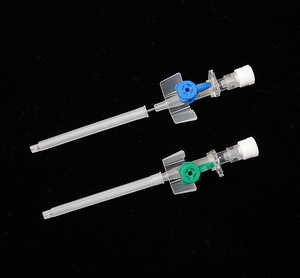
Good Price 14g 16g 18g 20g 22g 24g 26g Sizes Different Types Iv Cannula and Color
Multi-Gauge Access

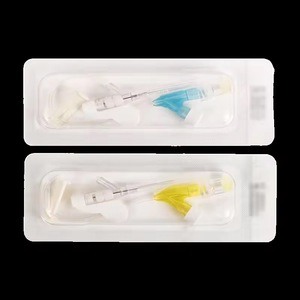
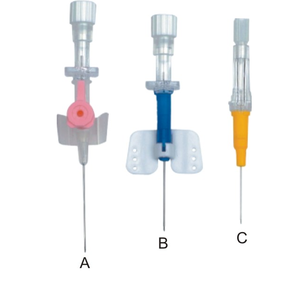
Multi-Gauge Peripheral IV Cannula Series (14G to 26G)

Send an Inquiry
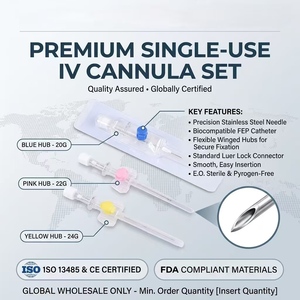
Disposable IV Cannula Stainless Steel Sterile Pack Hospital Outpatient OEM
Sterile Hospital Grade

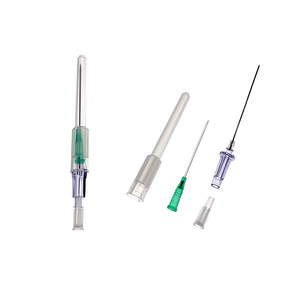
Stainless Steel Disposable IV Cannula Pack

Send an Inquiry
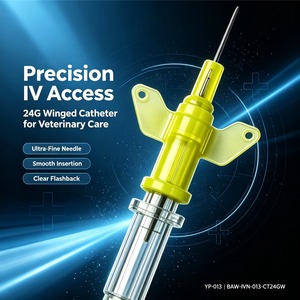
Butterfly IV Cannula for Pet Intravenous Infusion
Veterinary Specialty

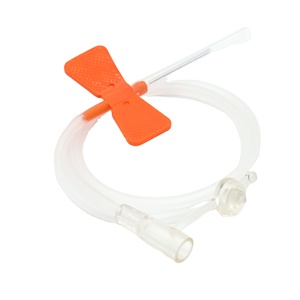
Butterfly Type Intravenous Infusion Cannula

Send an Inquiry
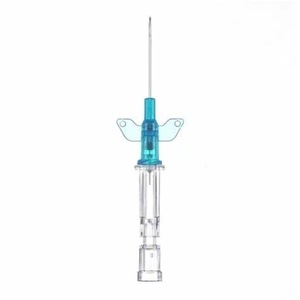
CE ISO 13485 Medical 18G Butterfly Type IV Cannula Catheter IV With Wing Injection Port
CE & ISO Certified

18G Butterfly Catheter with Injection Port

Send an Inquiry
Disposable 22g24g26g Animal IV Cannula / IV Catheter / IV Tube for Animals Cat Dog
Small Animal Focus

Micro-Gauge (22G/24G/26G) Animal IV Catheter

Send an Inquiry
B2B Wholesale Disposable Medical Sterile IV Cannula Catheter with Flashback Chamber
Instant Visual Verification

Sterile IV Catheter with Quick Flashback Chamber

Send an Inquiry
Disposable 22G 24G Veterinary IV Cannula Safety Intravenous Catheter
Sharps Injury Prevention

Veterinary Safety IV Cannula & Shielded Catheter

Send an Inquiry
Veterinary Iv Cannula Size 14g 16g 18g 20g 22g 24g 26g Intravenous Iv Catheter
Full Spectrum Gauges

Precision Veterinary Intravenous Safety Catheter

Send an Inquiry
Industry Whitepaper & Strategic Sourcing Guide

Navigating Japan’s Blood Transfusion Infrastructure: Quality, Biomaterials & PMDA Compliance

Japan’s medical device market represents one of the world's most sophisticated and strictly regulated healthcare environments. Governed by the Pharmaceuticals and Medical Devices Agency (PMDA) under the Ministry of Health, Labour and Welfare (MHLW), the procurement standards for blood banking disposables, human blood collection bag systems, and peripheral vascular catheters demand unyielding biological safety, mechanical integrity, and micro-precision engineering.

Information Gain Notice: In Japan, blood preservation is not merely a matter of sterile containment—it requires precise control over cellular metabolism, membrane stability, plasticizer leaching (DEHP/phthalate dynamics), and erythrocyte hemolysis during extended cold-chain storage (2°C to 6°C). Direct-to-factory sourcing from certified manufacturers enables Japanese importers, hospital consortiums, and medical distributors to achieve full technical compliance with JIS T 3211 (Sterile Blood Bag Systems) and JIS T 3280 (Single-Use Intravenous Catheters) while maintaining supply chain resilience.

As a global manufacturer and OEM exporter with over 20 years of clinical production expertise, our integrated manufacturing plant in Sonepat delivers CE-marked and ISO 13485:2016 certified medical disposables. From single, double, triple, to quadruple blood bag systems equipped with CPDA-1 and SAGM anticoagulant solutions, to passive safety IV cannulas engineered to eliminate needle-stick injuries, our product architectures are refined to satisfy the zero-defect mandates of the Japanese healthcare ecosystem.

20+
Years Manufacturing Mastery
100+
Global Export Markets
ISO 13485
Certified Quality System
< 0.25 EU/ml
Validated Non-Pyrogenic Limit
Product Engineering & Biomaterials

Advanced Biomaterial Architecture of Modern Blood Bag Systems

Non-DEHP & Phthalate-Free Biopolymers

To meet Japanese MHLW directives regarding plasticizer migration in long-term blood storage, our blood collection bags utilize medical-grade PVC plasticized with TOTM (Tri-octyl trimellitate) or BTHC. This formulation prevents plasticizer leaching into red blood cell membranes while maintaining low-temperature elasticity down to -80°C for Fresh Frozen Plasma (FFP).

Preservative Solutions (CPDA-1 / SAGM)

Engineered with precisely formulated Citrate Phosphate Dextrose Adenine (CPDA-1) for 35-day whole blood preservation, or Saline Adenine Glucose Mannitol (SAGM) additive solution for extending Packed Red Blood Cells (PRBC) viability up to 42 days. Keeps ATP and 2,3-DPG cellular concentration optimal.

Ultra-Thin 16G/17G Donor Needles

Equipped with siliconized, triple-bevel 16G or 17G Japanese stainless steel donor needles. Designed for effortless skin penetration and minimal tissue trauma, promoting high-laminar flow rates during donation to prevent micro-thrombus formation and platelet activation.

Integrated Safety & Sampling Capabilities: All exported blood bag configurations feature an integrated 30ml Vacuum Blood Sampling Port, Vacuum Tube Adaptor, and an automatic Needlestick Protection Shield (NPS). The diversion line traps the initial 15-20ml of skin-plug contaminated blood, significantly reducing bacterial contamination risks in platelet components—a vital benchmark for Japanese blood donation centers.

Localized Applications

Clinical Application Scenarios Across Japan Healthcare Facilities

Understanding how medical disposables are deployed in distinct Japanese healthcare settings helps tailor product configurations for maximum clinical efficiency and patient safety.

1. Japanese Red Cross Society (JRCS) Aligned Donation Centers

In high-throughput blood donation centers across Tokyo, Osaka, and Nagoya, operational efficiency relies on seamless component separation. Our Triple and Quadruple Blood Bag Systems allow top-and-bottom (TAB) or top-and-top centrifuging, effortlessly isolating packed red cells, leukoreduced plasma, and random donor platelets while remaining fully compatible with automated blood component extractors.

  • Integrated inline leukoreduction filters (log-4 leucocyte depletion).
  • Tamper-evident break-away valves ensuring hermetic fluid pathway control.
  • Clear batch barcodes compatible with Japanese ISBT-128 blood labeling systems.

2. University Hospitals & Advanced Surgical Centers

In major acute-care surgical suites (e.g., cardiovascular procedures, organ transplants, oncology resections), immediate autologous blood salvage and rapid blood administration are essential. Our Blood Transfusion Sets with 200μm micro-aggregate filters and Safety IV Cannulas (14G–18G) provide high volumetric flow rates without inducing shear-stress hemolysis.

  • DEHP-free fluid pathways preventing endocrine disruptor exposure during massive transfusion.
  • Luer-lock connectors conforming to ISO 80369-7 standard for zero pressure leaks.
  • Blood Control Technology (BCT) catheters preventing blood spillages upon needle withdrawal.

3. Disaster Medical Assistance Teams (DMAT) Preparedness

Japan’s geography necessitates extreme readiness for seismic and natural emergency events. DMAT emergency stockpiles require blood collection and administration consumables with validated shelf-lives (5 years), robust primary packaging, and exceptional temperature resilience for transport into field triage zones.

  • Multi-layer aluminium foil over-wrap guarding against moisture evaporation and oxidation.
  • Shock-resistant flexible PVC containers tested for field drops and pressure infusions.
  • Compact, sterile unit packaging designed for rapid emergency deployment.

4. Advanced Veterinary Hospitals & Animal Transfusion

Japan’s veterinary sector has witnessed exponential growth in canine and feline blood banking. Specialized veterinary clinics utilize our micro-gauge animal IV catheters (22G, 24G, 26G) alongside modified single/double blood bags (100ml, 250ml) optimized for small-animal blood collection and transfusion therapies.

  • Low-volume collection bags (100ml / 150ml) calibrated for companion animal weight limits.
  • Ultra-sharp butterfly IV cannulas ensuring painless insertion into fragile animal veins.
  • Sterile flashback chambers confirming instant venous placement in small pets.
Market Dynamics & Future Outlook

Key Market Trends Shaping Blood Management Sourcing in Japan

As Japan’s demographic shift creates a super-aged population (over 29% aged 65 or older), the clinical demand for blood component therapies, surgical transfusions, and home IV treatment continues to rise, even as donor pools contract. This creates distinct market drivers:

1. Accelerating Transition to Non-Phthalate Biomaterials

Japanese hospitals are enforcing strict environmental and biochemical safety guidelines, phasing out traditional DEHP-plasticized PVC due to potential hepatotoxicity and endocrine risks. Importers are exclusively seeking suppliers who offer validated TOTM, DINCH, or polyolefin alternative materials backed by ISO 10993 biocompatibility testing.

2. Zero-Tolerance for Occupational Needlestick Injuries

Under Japanese Ministry of Health safety protocols, healthcare worker safety is paramount. Conventional non-safety IV catheters and open blood collection needles are rapidly being replaced by fully automated passive safety shields and blood control technology (BCT) catheters that eliminate accidental blood exposure upon needle withdrawal.

3. Automation & Closed-System Compatibility

To minimize labor-intensive steps and human error in blood processing laboratories, Japanese blood centers mandate closed-system tubing configurations that integrate seamlessly with automated separation equipment, sterile tubing welders, and automated barcode scanners.

Technical Specifications

Blood Bag System Configurations & Clinical Parameters

Comprehensive comparative specification matrix for Japanese hospital procurement teams and B2B medical supply importers.

System Configuration Available Capacities Anticoagulant / Solution Preservation Period Primary Clinical Application (Japan Market)
Single Blood Bag 100ml, 250ml, 350ml, 450ml, 500ml CPDA-1 / CPD 35 Days Whole blood collection, emergency autologous transfusion, veterinary blood banking.
Double Blood Bag 350ml / 450ml / 500ml + Satellite Bag CPD + SAGM 42 Days (PRBC) Separation of Packed Red Blood Cells (PRBC) and Plasma (FFP).
Triple Blood Bag 350ml / 450ml / 500ml + 2 Satellite Bags CPD + SAGM 42 Days (PRBC) / 5 Days (Platelets) Separation into PRBC, Fresh Frozen Plasma (FFP), and Random Platelet Concentrates.
Quadruple Blood Bag (TAB / TTD) 350ml / 450ml / 500ml + 3 Satellite Bags CPD + SAGM + Leukoreduction Filter 42 Days (PRBC) / 5 Days (Platelets) Top & Bottom (TAB) automated processing, leucocyte-depleted component therapy.
Pediatric / Transfer Bag 50ml, 100ml, 150ml, 200ml Empty / Preservative-Free N/A (Transfer System) Neonatal blood micro-dosing, aliquot division, pediatric intensive care.
Enterprise Strengths

Why Japanese Medical Distributors Partner with Lars Medicare

In-House Manufacturing Integration (Sonepat Facility)

Unlike trading companies that outsource critical operations, our dedicated manufacturing facility in Sonepat, India controls every stage of production under one unified quality system:

  • In-House Tool Room: Custom mold development for proprietary needle hubs, connectors, and bag ports.
  • Controlled Cleanrooms: Class 100,000 (ISO Class 8) automated injection molding, blow molding, and assembly lines.
  • Validated EO Sterilization: On-site ethylene oxide sterilization chambers with complete cycle records, biological indicator testing, and EO residue levels maintained strictly below 10 ppm.

Uncompromised Regulatory & Quality Documentation

We simplify the complex PMDA registration process for Japanese medical device importers by supplying comprehensive regulatory technical dossiers:

  • Full Certification Scope: CE Certification, ISO 13485:2016 Quality System Certification, and EC Declaration of Conformity.
  • Batch Traceability: Every container shipment is accompanied by a Certificate of Analysis (CoA), Certificate of Free Sale (CFS), and batch-wise pyrogen/sterility validation.
  • Biocompatibility Dossiers: ISO 10993 biological evaluation reports including cytotoxicity, sensitization, systemic toxicity, and hemocompatibility data.
Frequently Asked Questions

Buyer FAQ: Procurement & PMDA Compliance for Japan

Q1 What regulatory support do you provide to Japanese importers for PMDA registration?
We provide full technical documentation prepared in the STED (Summary Technical Documentation) format recognized by the PMDA and MHLW. This includes ISO 13485:2016 certificates, sterilization validation reports per ISO 11135, ISO 10993 biocompatibility testing, physical performance test records (tensile strength, burst pressure, flow rate), and full manufacturing site information required for Foreign Manufacturer Registration (Toroku).
Q2 Are your blood collection bag systems available in DEHP-Free / Phthalate-Free PVC?
Yes. We offer DEHP-free blood bag systems utilizing alternative, non-toxic plasticizers such as TOTM (Tri-octyl trimellitate) or BTHC. These bags comply with Japanese MHLW safety directives regarding plasticizer leaching into blood components during extended cold storage, ensuring maximum biological safety for neonatal, pediatric, and long-term transfusion patients.
Q3 Do you offer OEM private-label manufacturing and Japanese language packaging?
Yes. We provide complete OEM and private-label manufacturing services for Japanese medical distributors and hospital suppliers. This includes custom artwork design, Japanese language Instructions for Use (IFU / Tenkibun), custom pouch printing, outer master carton labeling, barcode integration (GS1-128 / JAN codes), and UDI (Unique Device Identification) compliant markings.
Q4 What are your Minimum Order Quantities (MOQ) and lead times for shipments to Japan?
For standard catalogue items under neutral packaging, order quantities can start at one consolidated pallet. For OEM private-label programs, MOQs are determined based on custom printing and packaging requirements (typically 10,000 to 30,000 units depending on SKU). Repeat orders ship within 3 to 4 weeks, while initial OEM runs require 5 to 7 weeks for artwork approval and sterilization validation.
Q5 Which Japanese ports and Incoterms do you regularly operate with?
We quote under FOB, CIF, and DDP Incoterms. Sea freight consignments are dispatched via major ports including Nhava Sheva and Mundra to key Japanese ports such as Tokyo, Yokohama, Kobe, Osaka, and Nagoya. Air freight shipments are processed via Delhi (DEL) air cargo hub for rapid delivery.
Q6 How do your Safety IV Cannulas protect clinicians in busy Japanese hospital wards?
Our Safety IV Cannulas integrate a passive, automatic needle-shielding clip that instantly encapsulates the needle tip upon withdrawal. The clinician does not need to perform any extra manual steps. Paired with Blood Control Technology (BCT), which seals the catheter hub to stop blood leakage, it provides dual protection against needle-stick injuries and blood-borne contamination in high-turnover clinical environments.
Q7 What pyrogen and endotoxin limits are guaranteed for each production batch?
Every batch of blood bags, transfusion sets, and IV cannulas is strictly tested for bacterial endotoxins using the Limulus Amebocyte Lysate (LAL) assay. We guarantee endotoxin levels below 0.25 EU/ml (and < 0.06 EU/ml for pediatric/transfusion lines), fully satisfying Japanese Pharmacopoeia (JP) and international non-pyrogenic standards.

Partner with a Trusted Global Medical Device Manufacturer

Looking for PMDA-compliant blood collection bags, safety IV cannulas, or custom OEM medical disposables for the Japanese market? Contact our expert international business team today for technical data sheets, sample kits, and factory-direct pricing.

Send an Inquiry
Talk to an Expert