Navigating the Evolving Landscape of Hospital Consumables Supply
Insights for international healthcare purchasing managers, tender directors, and medical device importers on building resilient, quality-verified, and cost-effective single-use medical product pipelines.
In the modern clinical ecosystem, **Hospital Consumables Supply** represents the lifeblood of inpatient care, surgical operations, emergency intervention, and infection control. Ranging from vascular access devices like safety IV catheters to specialized fluid delivery systems, single-use medical devices account for over 40% of a healthcare facility’s recurring operational spend. However, global procurement directors face unprecedented volatility: stringent regulatory transitions under EU MDR, heightened biosecurity standards, vulnerability to supply chain bottlenecks, and the urgent imperative to eliminate hazardous phthalates such as DEHP from patient contact materials.
This comprehensive guide addresses the core questions asked by medical procurement professionals and global buyers when evaluating direct factory partnerships. By analyzing technical specifications, regulatory documentation standards, future market trends, and manufacturing architectures, this article provides actionable criteria for establishing a high-gain, risk-mitigated **Hospital Consumables Supply** strategy.
Executive Briefing: Key Procurement Drivers for 2026–2030
- Regulatory Rigor: Shift toward CE-marked facilities with full technical documentation (ISO 13485:2016, EC Declarations of Conformity, ISO 10993 biocompatibility testing).
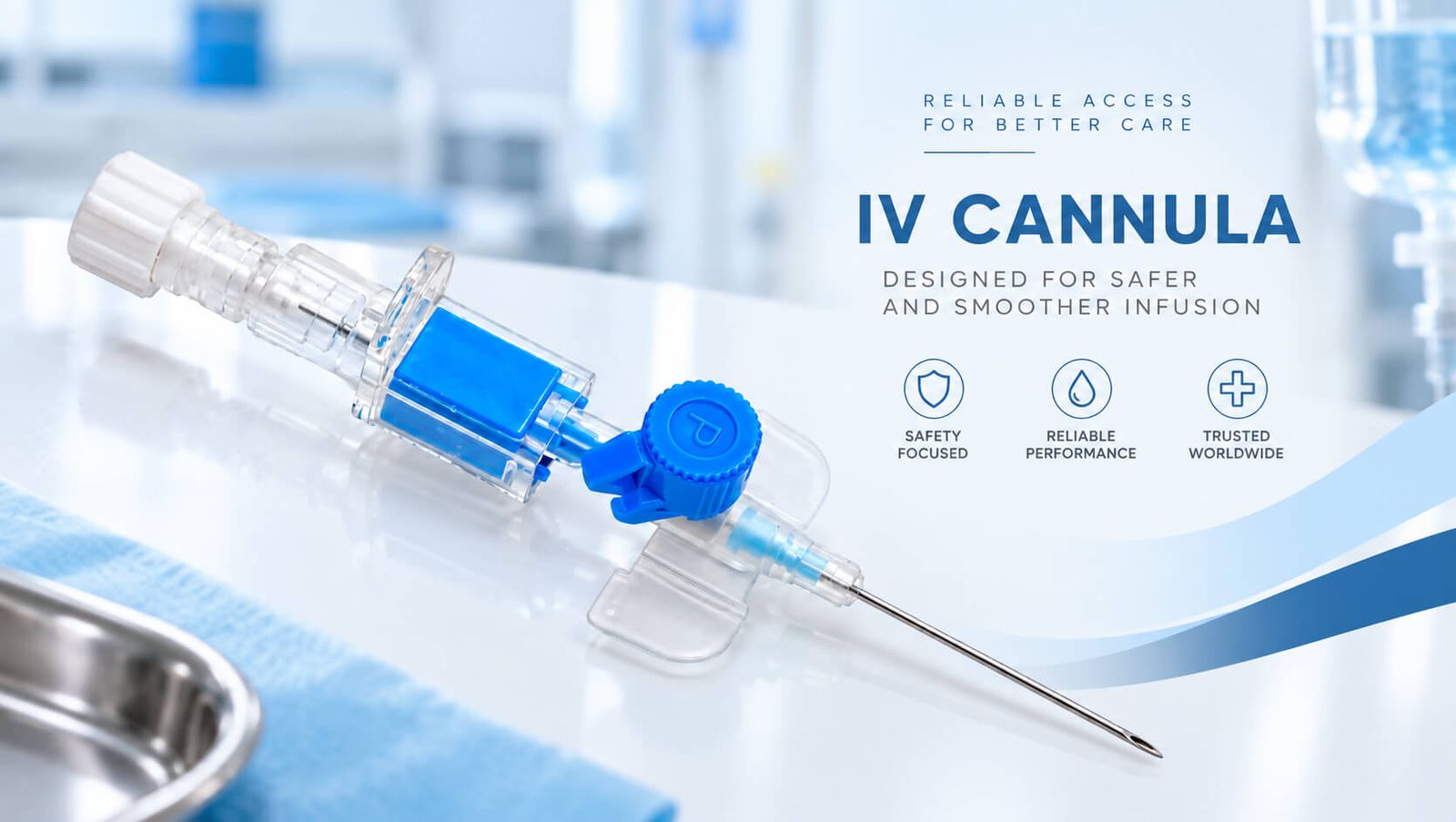
- Occupational Safety: Mandatory integration of passive safety IV cannulas and Blood Control Technology (BCT) to meet global needle-stick prevention standards (OSHA / EU Directive 2010/32/EU).
- Material Transformation: Phasing out DEHP (Di-2-ethylhexyl phthalate) in PVC tubing in favor of TOTM, DINCH, or Polyurethane (PUR) for pediatric, neonatal, and oncology applications.
- Supply Chain Transparency: Direct engagement with vertically integrated manufacturers owning in-house moulding, cleanrooms, and EtO sterilisation infrastructure to eliminate intermediary margin stacks and lead-time delays.