
MEDICA 2026 | 16–19 November 2026 | Hall 6, Stall F37 | Düsseldorf, Germany
Engineered for leak-proof diagnostic collection, infectious disease transport, and chemical stability across worldwide healthcare supply chains.
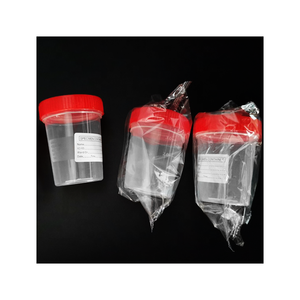
Medical grade PP material, high clarity, molded graduations, leak-proof screw cap for clinical urinalysis.
Inquire Now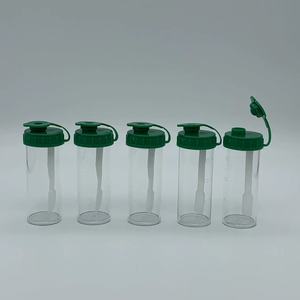
Versatile clinical diagnostic collection cups with integrated spoon option and multi-color secure caps.
Inquire Now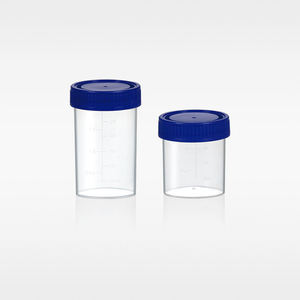
EO sterilised individual blister packaging, tamper-evident safety seal for institutional hospital tenders.
Inquire Now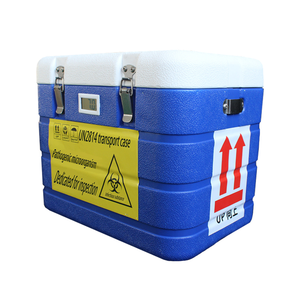
Strict UN2814 & IATA compliance cooler system for hazardous biological agent and HIV specimen logistics.
Inquire Now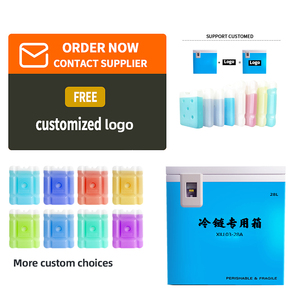
PU insulated thermal cold chain transport container maintaining standard temperature ranges during field transit.
Inquire Now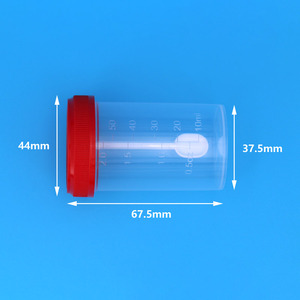
Specifically designed for gastrointestinal flora sampling, molecular PCR diagnostics, and viral testing.
Inquire Now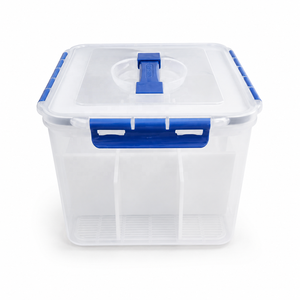
Heavy-duty chemical resistance, double-wall leak-proof sealing for laboratory hazardous substance handling.
Inquire Now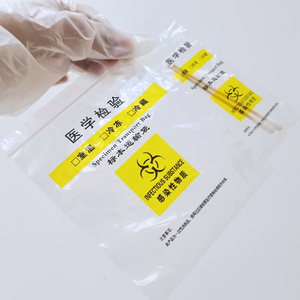
Self-adhesive biohazard seal, double pouch document pocket, liquid-tight polyethylene construction.
Inquire NowManufactured using 100% virgin Polypropylene (PP) and High-Clarity Polystyrene (PS). Chemically inert, heavy metals-free, and resistant to cracking under thermal stress.
Continuous dual-thread seal design compliant with IATA air transport regulations. Tested under 95kPa pressure differential to eliminate biohazard sample leakage.
Produced in ISO Class 8 automated cleanrooms. Ethylene Oxide (EO) and Gamma Sterilisation validated to ensure SAL 10⁻⁶ sterility level for micro-biology labs.
In modern clinical diagnostics, pathology testing, and infectious disease containment, the integrity of a biological sample depends entirely on the quality of its primary container. As global demand for laboratory disposables rises, international healthcare procurement teams, distributor networks, and hospital groups are increasingly looking to China’s advanced medical plastic injection moulding sector for reliable, high-volume sourcing.
Information Gain Insight: Selecting a specimen container supplier requires evaluating polymer chemical resistance, cap thread precision, pressure differential compliance under IATA rules, and cleanroom sterilisation documentation—not just base unit pricing.
Laboratory specimen containers are primarily fabricated using Polypropylene (PP), Polystyrene (PS), or Polyethylene Terephthalate (PET). Understanding the molecular properties of these plastics is vital for procurement specialists:
| Polymer Type | Transparency | Temperature Resistance | Chemical Inertness | Primary Clinical Application |
|---|---|---|---|---|
| Polypropylene (PP) | Translucent / High Clarity | -20°C to +121°C (Autoclavable) | High (Acids, Bases, Alcohols) | Urine containers, biohazard transport, routine lab sample storage |
| Polystyrene (PS) | Crystal Clear | -10°C to +70°C (Non-autoclavable) | Moderate (Brittle under solvents) | Optical analysis cups, pathology stool containers, test tubes |
| Polyethylene (PE) | Flexible / Opaque | -50°C to +80°C | High Flexibility & Tear Strength | Biohazard specimen transport bags, secondary outer containers |
One of the primary causes of specimen rejection in diagnostic laboratories is sample evaporation or cross-contamination during transit. Premium manufacturers in China utilize state-of-the-art multi-start thread technology combined with silicone or TPE compression rings.
For air transport, biological specimen containers must meet the 95 kPa Pressure Differential Test defined by IATA Packing Instruction 650 and EN 14254 standards. This ensures that when containers are exposed to low atmospheric pressure in cargo holds, the internal seal prevents volatile or infectious liquid escape.
Beyond basic collection cups, cold-chain transport boxes designed for viral pathogens (such as HIV, Influenza, and Coronavirus strains) represent a critical segment of medical logistics. Triple packaging systems include:
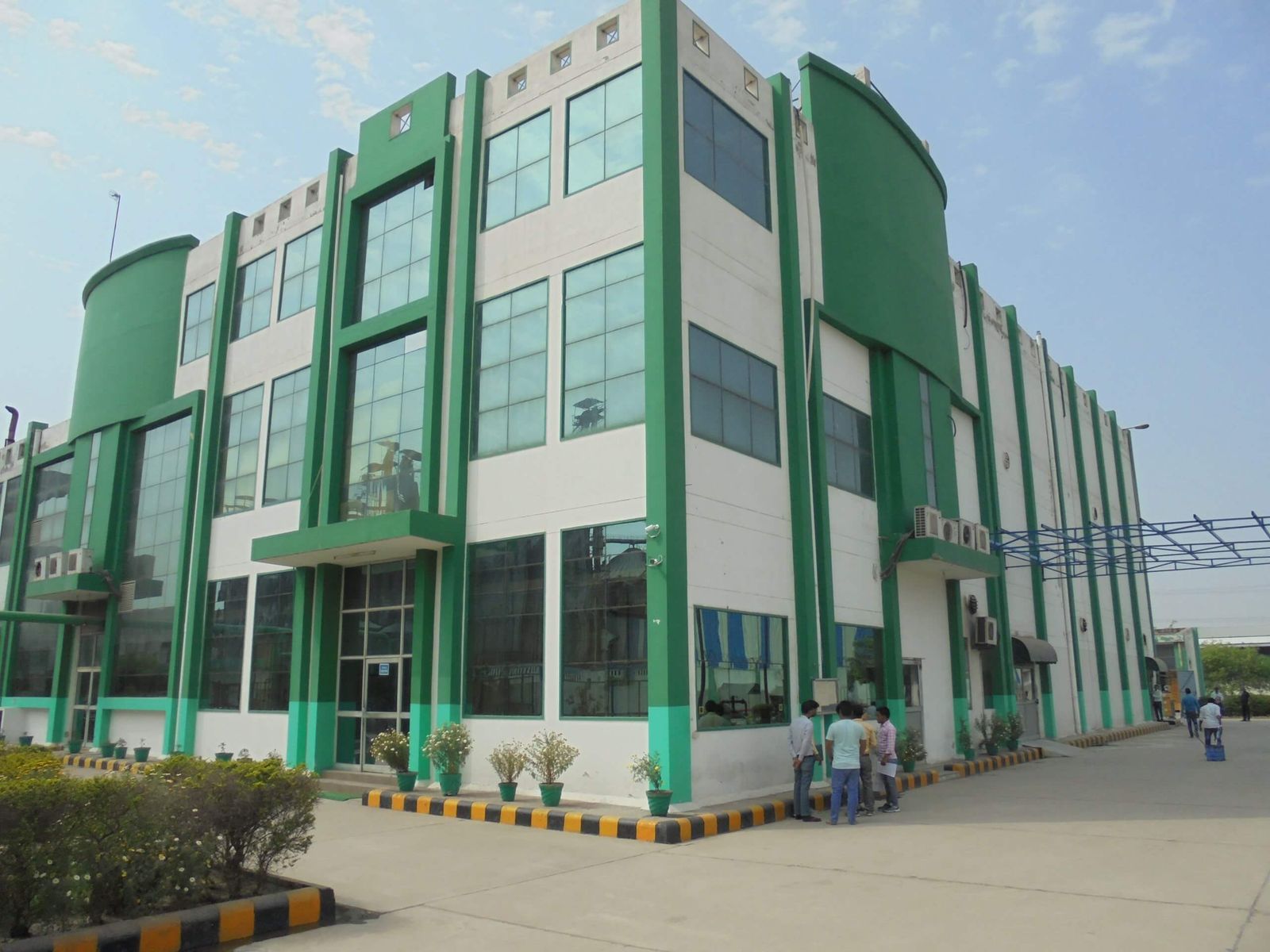
Our OEM/ODM manufacturing partner facilities operate fully integrated end-to-end production systems designed to meet international medical device standards. Every step from raw polymer resin handling to automated packaging is governed by strict ISO 13485 protocols.
As healthcare systems transition toward personalized medicine, automated diagnostic platforms, and decentralized point-of-care testing, specimen container design is evolving rapidly. Key trends shaping procurement strategy include:
Modern clinical labs utilize robotic sorting tracks. Specimen cups are increasingly designed with precise outer dimensions, standardized barcode placement zones, and flat bottoms compatible with high-speed diagnostic analyzers.
Growth in molecular PCR testing has driven demand for containers pre-filled with viral transport media (VTM), nucleic acid preservation buffers, or formalin for tissue biopsy preservation, minimizing lab technician preparation time.
Global environmental mandates are encouraging the adoption of recyclable medical-grade PP and bio-attributed polymers that maintain chemical purity while reducing hospital carbon footprints.
Direct technical answers to simplify regulatory approval, custom OEM branding, and international freight planning.
Need factory-direct pricing, custom OEM tooling, or rapid product registration support? Contact our technical sales engineering team today for instant quotes and free evaluation samples.
Inquire Now