MEDICA 2026 | 16–19 November 2026 | Hall 6, Stall F37 | Düsseldorf, Germany
An authoritative analysis on material biostability, micro-bevel engineering, infection control protocols, and contract manufacturing standards for global medical distributors.
In modern critical care, oncology, and emergency medicine, central venous catheters (CVCs) and advanced peripheral intravenous cannulas constitute the baseline for hemodynamic monitoring, parenteral nutrition, and continuous drug delivery. Selecting a certified OEM/ODM central line factory requires rigorous evaluation of biocompatibility, dimensional tolerance, structural lumen integrity, and compliance with ISO 13485:2016 governance.
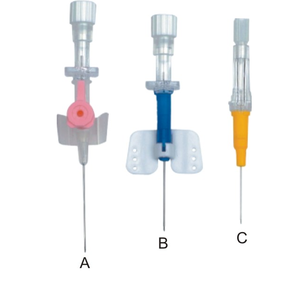
Our engineering design prioritizes blood control technology (BCT), automated passive needle-shielding mechanisms, and kink-resistant polyurethane (PU) formulations. These technical innovations collectively suppress Central Line-Associated Bloodstream Infections (CLABSIs) and prevent accidental needlestick injuries (NSIs) among healthcare workers.
Key technological shifts and regulatory imperatives shaping global medical device procurement over the next decade.
Global regulatory bodies (EU MDR, US OSHA, WHO) are accelerating mandates for passive safety catheters. Systems that automatically lock the needle tip upon withdrawal without clinician manual intervention are fast replacing non-safety devices in tender specs.
Parenteral safety concerns are driving a complete transition toward DEHP-free, plasticizer-free fluid paths. Hospitals demand polyolefin and specialized PVC compounds that eliminate chemical leaching during long-term IV chemotherapy and neonatal care.
Distributors are bypassing intermediary trading entities to establish direct contract manufacturing agreements with fully integrated plants. Direct sourcing guarantees batch-to-batch traceability, customized mold tooling, and predictable landed costs.
Adoption of closed-loop catheter systems with septum blood control is surging. By stopping blood leakage at the catheter hub during cannulation, healthcare facilities achieve significant reductions in surface contamination and cleaning labor.
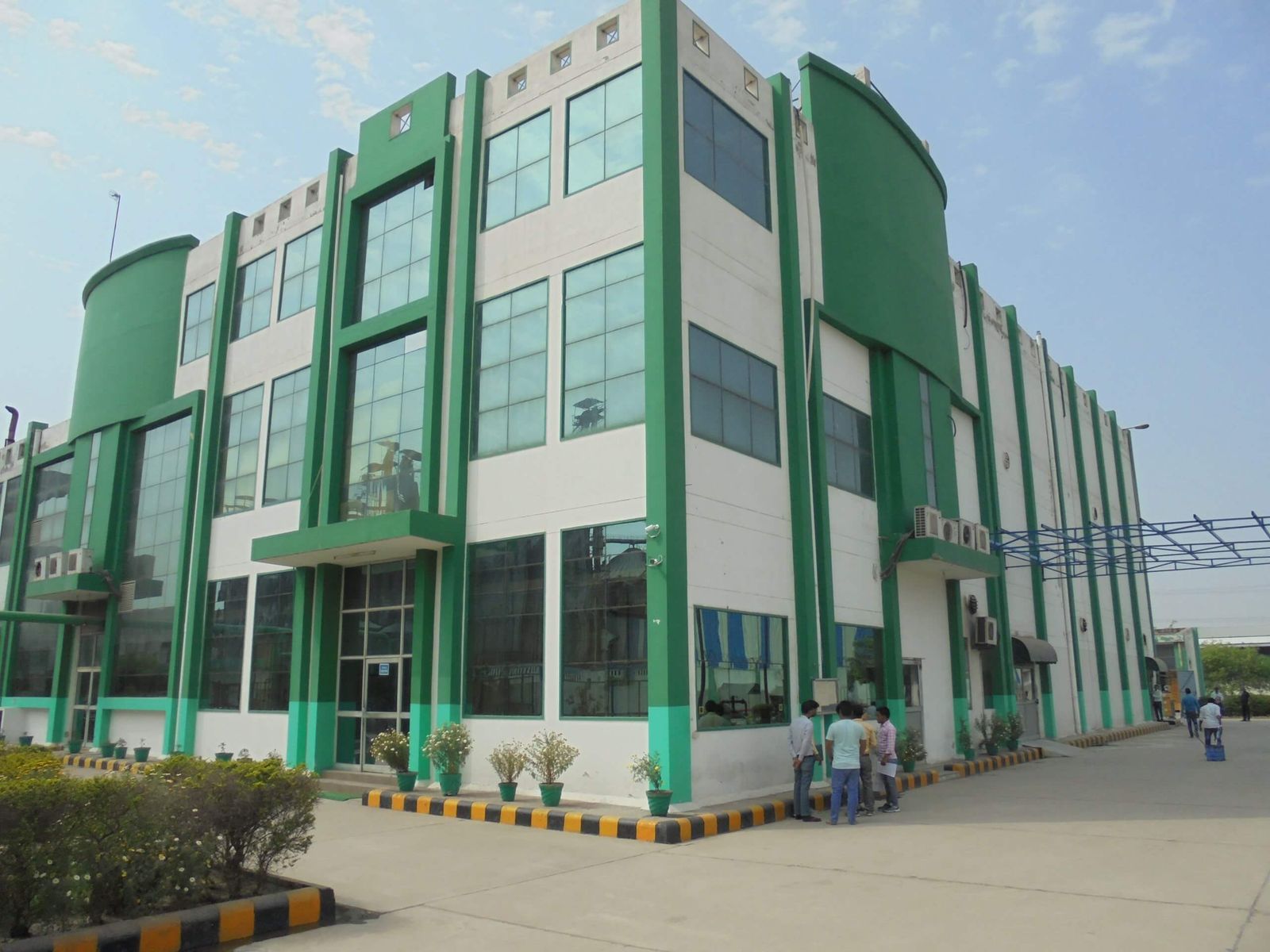
Combining two decades of precision molding, automated cleanroom assembly, and stringent European quality assurance under one accountable roof.
Our dedicated engineering tool room allows custom cavity mold development for specialized catheter gauges, hub color codes, and unique connector geometries without third-party vendor reliance or production delays.
All catheter tipping, needle grinding, hub assembly, and pouch sealing take place inside ISO Class 8 (Class 100,000) cleanrooms monitored continuously for environmental bioburden and particulate counts.
Integrated Ethylene Oxide (EO) sterilization processing with complete parametric release, biological indicator testing, and EO residue analysis compliant with ISO 11135 standards for 100% sterility assurance.
We supply CE Certificates, ISO 13485:2016 documentation, Certificate of Free Sale (CFS), ISO 10993 biocompatibility test reports, and technical dossiers pre-formatted for rapid national drug authority registration.
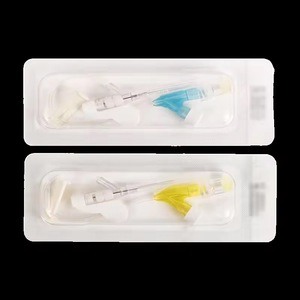
Comprehensive OEM private-label branding, including custom blister foil artwork, multilingual Instructions for Use (IFUs), GS1-compliant 2D barcodes, and Unique Device Identification (UDI) labeling.
Strategic dispatch via Nhava Sheva sea port, Mundra sea port, and Indira Gandhi International Airport (DEL), backed by localized sales coordination across our India and Canada regional offices.
Standard OEM configuration guidelines for clinical procurement managers and tender specifiers.
| Gauge Size | Color Code | Outer Diameter (mm) | Catheter Length (mm) | Water Flow Rate (ml/min) | Primary Clinical Application |
|---|---|---|---|---|---|
| 14G | Orange | 2.1 mm | 45 / 50 mm | 270 - 290 ml/min | Trauma, rapid blood transfusion, major surgical fluid replacement |
| 16G | Grey | 1.7 mm | 45 / 50 mm | 180 - 200 ml/min | High-volume intravenous fluid infusion, parenteral nutrition |
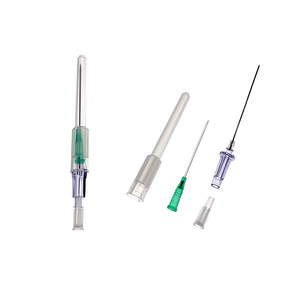
| 18G | Green | 1.3 mm | 32 / 45 mm | 85 - 105 ml/min | Routine blood administration, emergency room bolus administration |
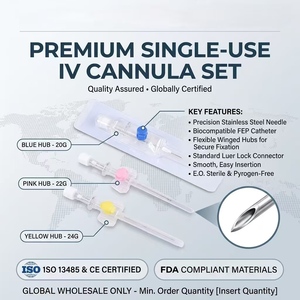
| 20G | Pink | 1.1 mm | 32 mm | 55 - 65 ml/min | Elective inpatient IV hydration, routine pharmacological access |
| 22G | Blue | 0.9 mm | 25 mm | 31 - 36 ml/min | Small or fragile veins, oncology patients, geriatric care |
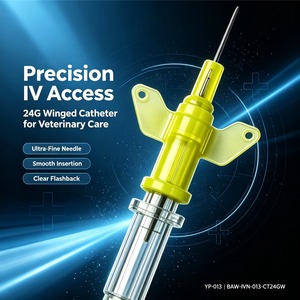
| 24G | Yellow | 0.7 mm | 19 mm | 18 - 22 ml/min | Pediatric venous access, neonatal fluid delivery, veterinary applications |
| 26G | Violet | 0.6 mm | 19 mm | 10 - 14 ml/min | Micro-pediatric infusion, specialized delicate micro-vein cannulation |
Direct engagement with core decision-makers ensures rapid project execution and seamless quality alignment.

Managing Director
Spearheads cleanroom technology integration, quality system governance, and engineering strategy with over two decades of medical manufacturing expertise.

Director
Directs international business expansion, distributor relations, and customized OEM brand initiatives across Europe, Asia, and Latin America.

Business Head – North America
Manages North American operations out of Milton, Ontario, providing localized supply logistics, customer service, and contract coordination.
Clear, factual responses to common operational, technical, and regulatory questions from international distributors and hospital purchasing committees.
Every export shipment from our Sonepat plant is backed by a full regulatory packet including: CE Certificate of Conformity, ISO 13485:2016 Quality Management Certificate, Certificate of Free Sale (CFS), batch-specific Certificate of Analysis (CoA), Ethylene Oxide (EO) Sterilization Validation records, and residual analysis reports. For tender submissions, we provide comprehensive technical dossiers formatted in alignment with EU MDR, US FDA, and local ministry of health requirements.
We provide full-spectrum contract manufacturing and private label production. This includes custom blister pouch printing, customized outer box packaging, multilingual Instructions for Use (IFUs), custom gauge color-coding, GS1-standard 2D barcode generation, and UDI-compliant labeling. Because our tool room and injection molding shop are in-house, we can adjust product specifications without depending on third-party component suppliers.
For standard neutral packaging catalogue items, order quantities can begin at one mixed pallet. For customized OEM and private-label programs, MOQs are determined per SKU based on artwork printing runs and component tooling specifications. Repeat stock orders ship in 3 to 4 weeks. First-time private label manufacturing typically requires 5 to 7 weeks to facilitate artwork approval, film plate creation, sterilization validation cycles, and pre-shipment QC release.
Yes. All central line devices, IV cannulas, infusion sets, measured volume burette sets, and blood transfusion sets can be produced using 100% DEHP-free, phthalate-free compounds and latex-free synthetic elastomers. Biocompatibility testing as per ISO 10993 (cytotoxicity, systemic toxicity, sensitization, and hemocompatibility) is fully documented and provided upon request.
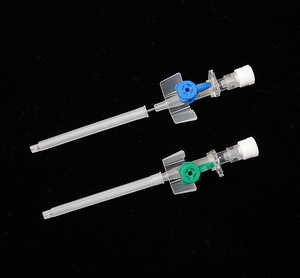
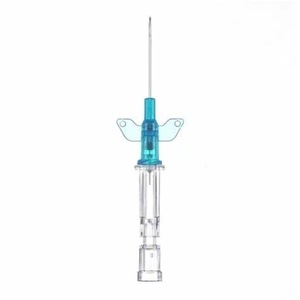
Our safety IV cannula features an integrated, fully passive needle shield that automatically encapsulates the sharp needle point as the introducer needle is withdrawn from the catheter hub. Because the protection mechanism activates automatically without requiring additional manual steps from the clinician, it removes human error and eliminates needlestick injury (NSI) risks during bedside disposal.
We offer flexible commercial Incoterms including FOB (Nhava Sheva, Mundra, or Delhi), CIF (Destination Port), and DDP (Delivered Duty Paid). Air cargo shipments route through Delhi (DEL) Airport. Standard export documentation includes: Commercial Invoice, Packing List, Clean On-Board Bill of Lading / Airway Bill, Certificate of Origin, and Country-Specific Legalized Certificates of Free Sale.
Sterility assurance is achieved via fully validated Ethylene Oxide (EO) sterilization cycles conforming to ISO 11135. Each sterilization batch contains chemical and biological indicators. Physical packaging integrity is validated through peel strength testing, dye penetration testing, and burst testing under simulated tropical transport temperatures and humidity conditions.