
MEDICA 2026 | 16–19 November 2026 | Hall 6, Stall F37 | Düsseldorf, Germany
Direct factory-grade enteral feeding devices manufactured in ISO 13485 cleanroom environments, featuring medical-grade TPU and 100% liquid silicone formulations for human and veterinary applications.
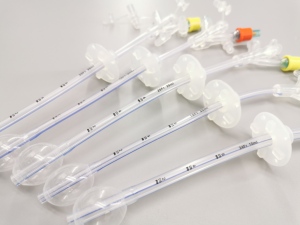
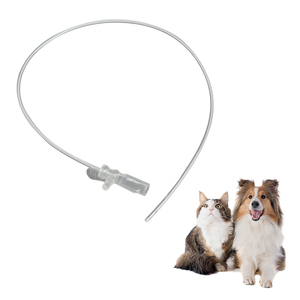
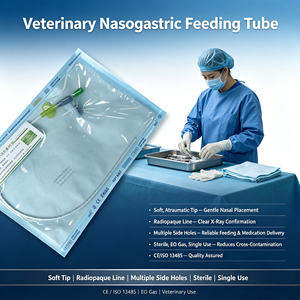
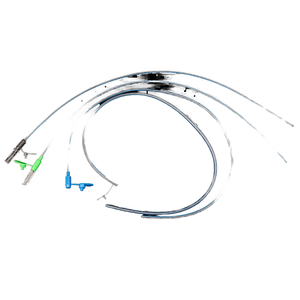
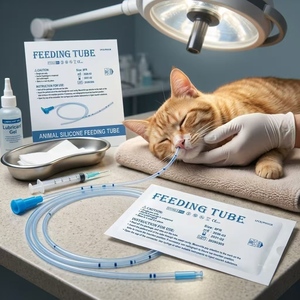
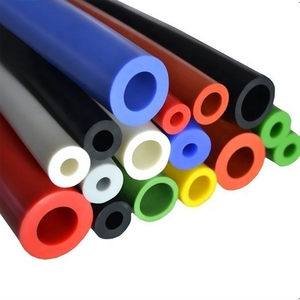
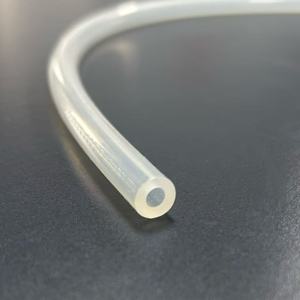
In modern clinical nutrition and critical care management, the Nasogastric (NG) Tube remains a foundational medical disposable for enteral feeding, gastric decompression, and diagnostic sampling. As global healthcare regulations shift toward patient safety protocols and misconnection prevention, hospital networks, tender agents, and medical device distributors must evaluate manufacturing partners through a multi-dimensional lens covering polymer science, regulatory compliance, quality control automation, and supply chain resiliency.
Historically, plasticized Polyvinyl Chloride (PVC) dominated the enteral catheter market. However, concerns regarding Di(2-ethylhexyl)phthalate (DEHP) leaching, tissue irritation, and lumen hardening upon contact with gastric fluids have accelerated a global migration toward advanced biomaterials. China wholesale original equipment manufacturers (OEMs) have established cleanroom production lines dedicated to two primary medical-grade polymers:
| Performance Metric | Medical-Grade Silicone (LSR) | Thermosensitive Polyurethane (TPU) | Conventional PVC (DEHP-Free) |
|---|---|---|---|
| Indwelling Duration | Long-term (Up to 30 days) | Medium-to-Long (14–30 days) | Short-term (< 7 days) |
| Thermosensitivity | Constant durometer; flexible at room temp | Rigid at insertion; softens at body temp (37°C) | Stiffens in acidic gastric fluid |
| Inner-to-Outer Lumen Ratio | Thicker wall required for structural integrity | Ultra-thin wall; maximized inner lumen volume | Standard wall thickness |
| Biocompatibility (ISO 10993) | Highest; minimal mucosal inflammatory reaction | Excellent; resistant to lipid erosion | Moderate; subject to plasticizer migration |
| X-Ray Radiopacity | Co-extruded Barium Sulfate (BaSO4) line | Encapsulated full-length radiopaque stripe | Surface printed radiopaque marker |
Thermosensitive Polyurethane (TPU) Advantage: For pediatric, adult critical care, and veterinary enteral feeding, TPU represents an optimal compromise between insertion ease and clinical comfort. The tubing remains firm during anatomical navigation—reducing the need for rigid stylets—and softens rapidly upon encountering normal human body temperature (37°C), dramatically decreasing mucosal abrasion risks.
High-yield procurement decisions require a complete understanding of clinical use-cases. Nasogastric tubes engineered by premier OEM manufacturers incorporate distinct structural refinements tailored for therapeutic efficacy:
Precision bullet-nose or closed distal tips formed via RF thermal induction eliminate sharp edges, minimizing esophageal and nasopharyngeal trauma during blind insertion.
Smooth, polished offset lateral ports prevent lumen occlusion against the gastric mucosa, ensuring continuous flow during high-viscosity nutritional slurry administration.
Minimum 20% Barium Sulfate (BaSO4) concentration co-extruded along the entire catheter shaft guarantees unambiguous placement verification under X-Ray fluoroscopy.
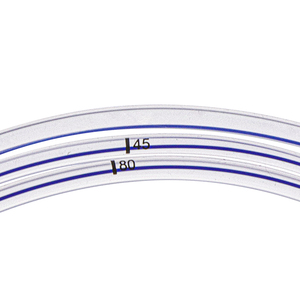
Stylet / Guide Wire Integration: For fine-bore TPU tubes (5Fr to 12Fr), a stainless steel braided insertion guide wire with a protective silicone-coated tip provides structural column strength during passage through the nasal turbinates. Integrated depth markers at 45cm, 55cm, 65cm, and 75cm from the distal tip provide immediate anatomical feedback to nursing staff.
The global medical device sector has undergone a regulatory transformation regarding small-bore connectors. Legacy Luer slip and universal stepped funnel connectors carried inherent risks of accidental cross-connection with intravenous (IV) lines, epidural catheters, and tracheostomy cuffs—frequently leading to fatal enteral medication misconnections.
To eliminate cross-connection risk, international regulatory bodies (including the US FDA, EU MDR 2017/745, and NMPA China) mandate compliance with ISO 80369-3 (ENFit® connector standard) for all enteral access products. Fully integrated factories provide both standard universal funnels for emerging market tenders and locking ENFit connectors with dedicated syringe interfaces for North American and European healthcare networks.
As global healthcare systems expand homecare enteral nutrition and veterinary intensive care practices, medical device importers must align with factories demonstrating advanced OEM agility. Key procurement trends shaping the next decade include:
Leveraging over two decades of biomedical device extrusion expertise, our production facilities integrate every stage of catheter manufacturing within a unified Quality Management System (QMS). From raw polymer granule inspection to automated cleanroom assembly and gas sterilisation validation, our operational workflow eliminates third-party subcontractor friction.
Our Sonepat and international production hubs maintain cleanroom environments meeting ISO 14644-1 Class 8 (Class 100,000) standards. Each production batch undergoes rigorous quality gates:
Direct answers to key commercial, technical, and regulatory queries encountered by hospital procurement teams, distributors, and OEM buyers.
Connect with our senior technical sales director to discuss gauge mixes, material samples, OEM private labelling, and custom export pricing for wholesale container allocations.