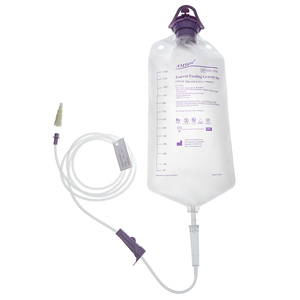
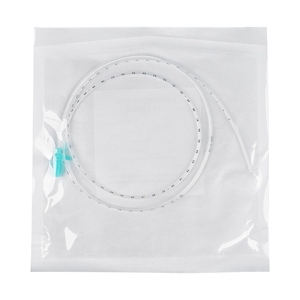
Nasojejunal Feeding Tube Medical Disposable Infant/Adult Gravity Bag Set (500ml/1200ml ENFit)
ENFit ISO 80369-3
DEHP-Free PVC/TPU
500ml / 1200ml
Send an Inquiry
MEDICA 2026 | 16–19 November 2026 | Hall 6, Stall F37 | Düsseldorf, Germany

Precision-engineered medical, veterinary, and livestock feeding solutions manufactured under strict ISO 13485 and CE cleanroom protocols.
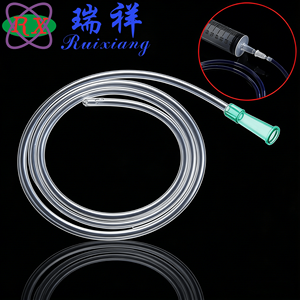
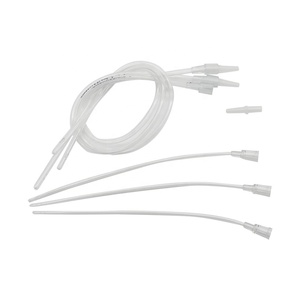
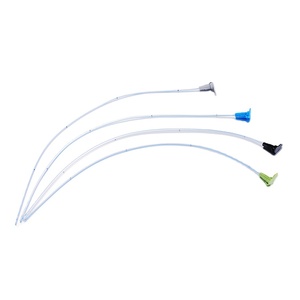
Combining vertically integrated toolmaking, automated moulding, and medical-grade sterile packaging under one unified quality management system.
Our specialized mold design room and automated injection molding shop enable instant engineering modifications, micro-bore custom gauge development, and rapid prototyping for proprietary medical tubing contracts.
Fully compliant with international medical disposables mandates. Every consignment is supported by batch-wise Certificate of Analysis (CoA), EC Declaration of Conformity, Free Sale Certificates, and ISO 10993 biocompatibility testing.
Supplying hospital tenders and healthcare brands across 100+ countries. We handle multilingual IFUs, barcoding, UDI-ready pouch artwork, custom shelf boxes, and flexible container loading via sea and air cargo hubs.
Equipped with automated Ethylene Oxide (EO) sterilization chambers. Sterilisation cycles, biological indicator checks, and EO residue levels are meticulously documented to satisfy stringent European and American safety standard limits.
Specializing in phthalate-free, DEHP-free medical PVC, TPU (Thermoplastic Polyurethane), and 100% Medical-Grade Liquid Silicone Rubber (LSR) to eliminate chemical leaching in neonatal and long-term enterally fed patients.
Our internal regulatory affairs desk provides technical construction files (STED format), clinical evaluation reports (CER), and stability testing data to drastically streamline distributor registration with local Ministry of Health agencies.
Enteral nutrition delivery devices—commonly categorized into nasogastric (NG), nasojejunal (NJ), gastrostomy (G-tube), and specialized veterinary/agricultural tubes—represent a critical segment of single-use medical consumables. As global healthcare infrastructure expands and home enteral nutrition (HEN) adoption accelerates post-pandemic, clinical buyers and medical device importers are shifting their procurement strategies toward high-biocompatibility materials, strict anti-misconnection safety standard designs, and direct manufacturer OEM supply chain integration.
One of the most defining technical developments in enteral feeding tube manufacturing over the past decade is the worldwide transition away from universal Luer slip or Luer lock connectors toward the international ENFit® ISO 80369-3 engineering standard. Historically, tubing misconnections—where enteral nutrition bags or syringes were accidentally connected to intravenous (IV) lines, tracheostomy cuffs, or peritoneal catheters—resulted in severe clinical adverse events. The ENFit design incorporates a unique locking orientation that is physically incompatible with IV Luer fittings, epidural connectors, and respiratory gas lines.
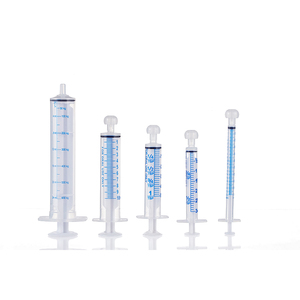
For global importers and hospital procurement agents sourcing from China manufacturers, selecting an enterprise supplier capable of tooling both traditional stepped connectors and ENFit-compliant male/female locks (as well as Low Dose Tip ENFit syringes) is paramount. High-volume export lines now integrate automated vision-inspection systems to ensure dimensional tolerance on all ENFit threads, guaranteeing zero leakage under high delivery pressure.
Selecting the correct polymer compound directly impacts patient comfort, indwelling residence time, chemical resistance to lipid-rich enteral formulas, and overall cost per clinical day. China wholesale feeding tube manufacturers utilize three main classes of medical polymers:
| Material Type | Indwelling Duration | Plasticizer / Biocompatibility | Flexibility & Kink Resistance | Primary Clinical / Commercial Target |
|---|---|---|---|---|
| Medical-Grade PVC | Short-Term (< 14 Days) | DEHP / Phthalate-Free Available | Moderate (Softens at body temp) | Acute ICU care, standard hospital tenders, economic bulk supply |
| Thermoplastic Polyurethane (TPU) | Medium to Long-Term (< 30 Days) | 100% Plasticizer-Free (Inherently flexible) | High tensile strength, ultra-thin lumen walls | Nasojejunal (NJ) tubes, NICU micro-bore lines, premium veterinary care |
| Liquid Silicone Rubber (LSR) | Long-Term (> 30 Days to Months) | Biologically inert, Platinum-cured | Exceptional softness, maximum patient comfort | Pediatric feeding tubes, PEG gastrostomy replacement, chronic homecare |
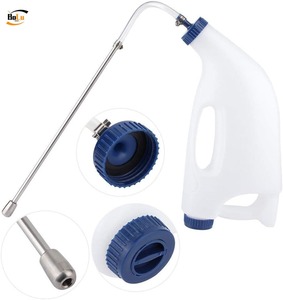
| Food-Grade PP / Polyethylene | Reusable / Farm Durable | BPA-Free, Heavy Metal Free | Rigid structural polymer | Calf feeding bottles, agricultural livestock gavage systems |
As highlighted in the comparison matrix above, TPU and Liquid Silicone Rubber are rapidly displacing traditional DEHP-plasticized PVC in European and North American healthcare settings due to their superior resistance to gastric acid breakdown, lack of plasticizer leaching, and reduced risk of tissue erosion. However, for short-term acute interventions and price-sensitive public tender bids in emerging markets, DEHP-free PVC remains a dominant, highly cost-effective solution.
Neonatal and pediatric patient populations present unique anatomical challenges. Nasogastric tubes designed for premature infants (Fr4 to Fr8) demand hyper-precise extrusion controls to maintain micro-bore lumen integrity without compromising fluid velocity. Key engineering advancements in infant feeding tube manufacturing include:
The global demand for feeding tubes extends well beyond human clinical environments. Veterinary practices, avian rehabilitation centers, and commercial livestock farms require purpose-built gavage and enteral delivery systems. For instance, avian oral gavage cannulas utilize curved stainless steel or flexible TPU shafts equipped with smooth chrome-plated or molded ball tips to safely bypass the bird's trachea and deliver nutrients directly into the crop without risking esophageal perforation.
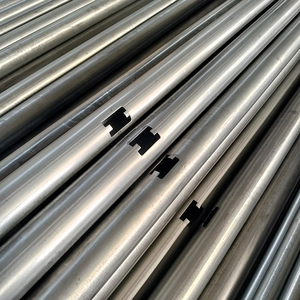
Similarly, agricultural calf feeding bottles and automated broiler pan feed pipes demand rugged high-density polypropylene (PP) and hot-dip galvanized steel formulations that withstand rigorous farm sanitization chemicals, UV exposure, and mechanical impact. OEM manufacturers in China that operate dual medical and agricultural production divisions offer distributors immense cost advantages through scaled raw polymer purchasing and combined container logistics.
When evaluating China wholesale feeding tube manufacturers, global procurement teams must move beyond unit price negotiation and perform rigorous auditing across five essential operational dimensions:
Direct expert answers addressing certification, OEM customization, minimum order quantities, and international delivery terms.
Every export consignment is shipped with a comprehensive regulatory binder including CE Certificate, ISO 13485:2016 Quality System Certificate, EC Declaration of Conformity, Certificate of Analysis (CoA) per lot, ISO 10993 Biocompatibility Test Reports, and EO Sterilization Validation Records. Free Sale Certificates (FSC) can also be authenticated for fast-track Ministry of Health registration in Latin America, Africa, the Middle East, and Southeast Asia.
ENFit (ISO 80369-3) is an international safety locking mechanism engineered specifically for enteral nutrition lines to prevent fatal accidental connections to IV bloodlines or tracheostomy devices. Standard stepped or funnel connectors utilize friction-fit universal sizing. We supply both legacy stepped connectors and fully certified ENFit enteral tubes, syringes, and gravity bag sets depending on your destination market's regulatory requirements.
Yes. We specialize in OEM and private-label manufacturing. Our engineering team handles customized artwork layout, multi-language Instructions for Use (IFU), customized inner pouch printing, UDI barcoding, and master carton branding. Thanks to our in-house tool room and extrusion lines, we can also customize French sizes (Fr4 through Fr24), tube lengths, depth printing styles, and radiopaque stripe counts.
We use certified DEHP-free medical PVC, TPU, and 100% Liquid Silicone Rubber compounds sourced from audited international polymer suppliers. Raw materials undergo rigorous gas chromatography-mass spectrometry (GC-MS) testing to verify zero phthalate plasticizers, ensuring absolute safety for fragile NICU infants and long-term oncology patients.
For standard neutral-packaged feeding tubes, minimum orders can start at one consolidated pallet (approx. 5,000 – 10,000 pieces depending on SKU). For custom OEM private-label artwork programs, MOQ typically ranges between 20,000 to 50,000 pieces per SKU. Repeat catalogue orders generally ship within 3 to 4 weeks, while initial OEM projects require 5 to 6 weeks to allow artwork sign-off, tool indexing, and EO sterilization cycles.
Our veterinary TPU nasogastric feeding tubes are Class II medical-grade devices built with biocompatible, tear-resistant polyurethane that resists stomach acid breakdown for up to 30 days. They feature radiopaque lines, weighted caps, and smooth atraumatic side eyes suitable for domestic pets (cats, dogs). In contrast, agricultural feed pipes (such as poultry pan lines or calf bottles) utilize heavier food-grade PP or galvanized steel built for high mechanical stress on livestock farms.
We regularly quote FOB Shanghai / Ningbo / Qingdao, CIF destination port, and DDP warehouse terms. Freight consolidation is handled through primary sea shipping ports and major international air freight hubs. Standard payment terms include T/T bank transfer and Irrevocable Letter of Credit (L/C at sight) for contract tender orders.
Connect directly with our medical disposable export engineers. We provide technical data sheets, factory audit reports, sample kits, and OEM landed cost estimates within 24 hours.