
MEDICA 2026 | 16–19 November 2026 | Hall 6, Stall F37 | Düsseldorf, Germany
Engineered to rigid clinical standards. Our capillary blood sampling lancets and vascular blood access products feature tri-bevel needle geometry, automated siliconization, and high-speed EO/Gamma sterilization for maximum safety and minimal patient pain.
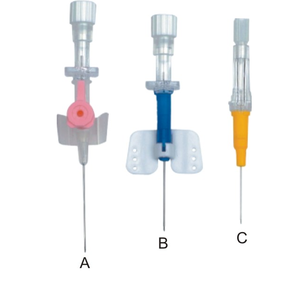
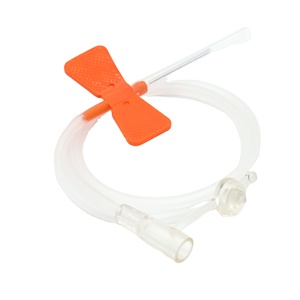
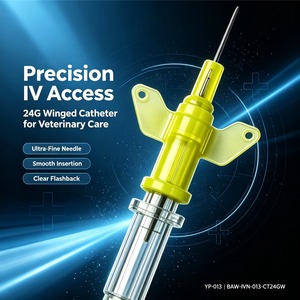
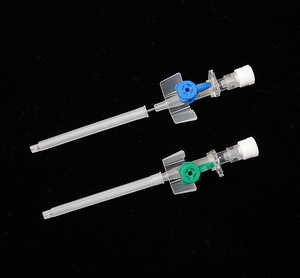
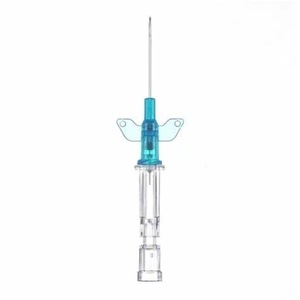
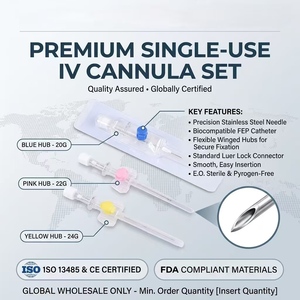
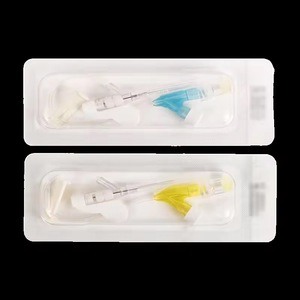
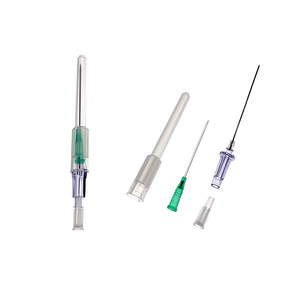
In global medical device procurement, sourcing capillary blood sampling devices—specifically twist-off lancets, pull-top lancets, safety auto-disable blood lancets, and vascular blood collection consumables—requires an in-depth evaluation of manufacturing precision, material purity, and regulatory compliance. China stands as the world's primary manufacturing hub for single-use medical disposables, producing over 65% of global capillary lancets and blood collection access systems.
As a leading Chinese wholesale manufacturer operating under ISO 13485:2016 quality management frameworks and EU CE MDR (2017/745) technical documentation, our facilities combine high-speed automated assembly with zero-defect optical vision sorting to supply global hospital groups, brand owners, and distributor networks across 100+ countries.
Information Gain Metric: Capillary puncture pain is directly proportional to needle tip geometry and surface friction. Our proprietary 3-facet automated bevel grinding combined with Dow Corning 360 medical-grade siliconization reduces penetration force to under 0.15 Newtons—a 40% reduction compared to standard market alternatives.
Professional buyers must select needle gauges and penetration depth settings matched precisely to target patient demographics (neonatal, pediatric, adult glucose monitoring, or thick skin capillary sampling):
| Lancet / Access Type | Gauge Range | Needle Outer Diameter | Penetration Depth | Primary Clinical Application |
|---|---|---|---|---|
| Micro-Fine Safety Lancet | 28G – 33G | 0.36mm – 0.20mm | 1.5mm – 1.8mm | Diabetes Blood Glucose Monitoring, Pediatric Sampling |
| Standard Twist-Off Lancet | 26G – 30G | 0.45mm – 0.30mm | 1.8mm – 2.2mm | General Outpatient Blood Glucose, HbA1c Field Testing |
| High-Flow Safety Lancet | 21G – 23G | 0.80mm – 0.60mm | 2.2mm – 2.4mm | Point-of-Care (POCT) Blood Gas, Micro-haematocrit Testing |
| Heel Incision Device | Blade / 18G | Micro-blade | 1.0mm – 1.2mm | Neonatal Screening (Prevents Bone Damage in Infants) |
| Vascular Access Cannula | 14G – 26G | 2.10mm – 0.60mm | Indwelling Lengths | Intravenous Fluid Administration & Arterial Sampling |
The global capillary blood sampling market is undergoing a rapid paradigm shift driven by strict occupational safety directives, heightened infection control mandates, and the rise of decentralized Point-of-Care Testing (POCT). Wholesale buyers and medical supply distributors must align their procurement strategies with four key emerging trends:
Driven by US OSHA guidelines and EU Directive 2010/32/EU, standard twist-off lancets are rapidly being replaced by single-use pressure-activated safety lancets. Retractable design ensures needle blades automatically lock inside the body post-firing, completely eliminating needlestick injuries and cross-contamination risk.
Continuous Glucose Monitoring (CGM) and modern digital meters require smaller capillary blood volumes (0.3 µL). Factories are investing in advanced cold-drawing wire technology to manufacture ultra-thin 33G and 34G lancets that penetrate nerve-rich epidermal layers with virtually zero pain sensation.
Regulatory scrutiny around DEHP, PVC additives, and single-use plastic waste is forcing hospital purchasing boards to mandate medical-grade polyolefin, polypropylene (PP), and TPE alternatives. Chinese factories are responding by engineering eco-conscious lancet bodies with 100% recyclable casing polymers.
Next-generation diagnostic kits combine auto-lancet devices directly onto microfluidic chips for rapid blood gas, infectious disease, and lipid panel screening. B2B buyers seeking factory OEM partnerships require manufacturers capable of tight-tolerance micro-molding and automated sub-assembly.
With the full rollout of Unique Device Identification (UDI) system requirements by the US FDA and European EUDAMED database, every box and blister pouch of blood lancets must carry GS1 DataMatrix barcodes detailing lot number, manufacturing date, and sterile expiry matrix.
Hospital consortia and international medical brands are consolidating vendors—preferring single-source factories capable of producing complete blood collection portfolios: blood lancets, safety IV cannulas, blood transfusion sets, and collection tube adapters under a unified quality audit.
Producing high-volume, defect-free medical disposables requires significant technological integration across raw material selection, mold engineering, cleanroom assembly, and sterilization assurance. Here is how our modern Chinese production facilities deliver superior clinical outcomes:
The tip of a blood lancet is subjected to three distinct grinding angles (primary bevel, secondary side bevels) using high-precision CNC Japanese grinding machinery. Post-grinding, micro-burrs are removed via electro-polishing to achieve an ultra-smooth surface finish. This prevents skin tearing, reduces trauma to surrounding tissue, and ensures rapid healing at the puncture site.
Manual optical inspection cannot guarantee zero defects when operating at speeds of over 100,000 units per hour. Our automated cleanroom assembly lines incorporate high-resolution CCD camera vision systems that inspect 100% of lancets for needle tip bend, burrs, silicon coating uniformity, and proper twist-cap alignment—automatically ejecting non-conforming items instantly.
Sterility Assurance Level ($10^{-6}$ SAL) is maintained through fully computerized EO sterilization chambers and cobalt-60 gamma irradiation facilities. Every production lot undergoes rigorous bioburden testing, residual EO gas analysis (gas chromatography ensuring <4mg/g residue), and packaging seal strength testing prior to release.
Choosing the right Chinese supplier goes beyond basic pricing. It involves selecting a partner with robust technical leadership, agile supply chain management, and comprehensive regulatory file support to streamline registration in destination markets.
In-house mold design and maintenance allow us to launch custom OEM private-label designs, adjust plastic cap ergonomics, and develop custom gauge combinations without vendor delay.
All automated molding, needle assembly, and primary pouch packaging take place inside environmentally controlled cleanrooms with continuous particulate, temperature, and humidity monitoring.
We provide full technical dossiers (STED format), ISO 13485:2016 certificates, CE Declaration of Conformity, FDA 510(k) documentation, and Free Sale Certificates (FSC) for fast national registration.
From 25-count retail boxes to 200-count hospital bulk packs, blister foils, inner cartons, master shippers, and multilingual Instructions for Use (IFU)—we manage full private-label execution.
Below are clear, practical answers to common procurement, compliance, and logistical inquiries regarding wholesale blood lancet and vascular access orders.
Get in touch with our technical export specialists today. We provide instant price quotes, product samples, technical specification datasheets, and complete regulatory audit support.