Precision Latex Examination Gloves & Multipurpose IV Cannula Range (14G–26G)
- Low-protein natural rubber latex & color coding
- Sizes 14G to 26G complete gauge availability
- AQL 1.5 / EN 455 Medical Grade certification
MEDICA 2026 | 16–19 November 2026 | Hall 6, Stall F37 | Düsseldorf, Germany

Fully compliant with EN 455, ASTM D3578, ISO 13485, and CE MDD/MDR standards. Manufactured in controlled cleanrooms for global institutional supply.
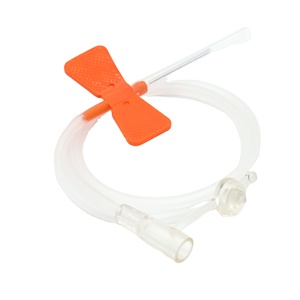
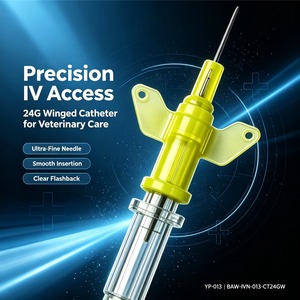
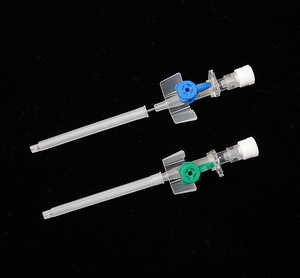
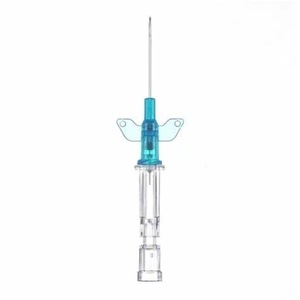
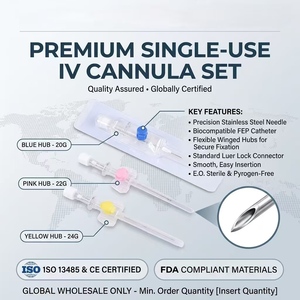
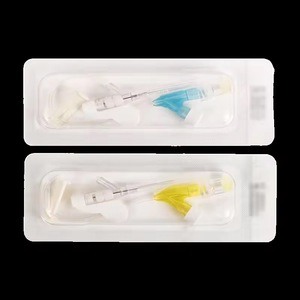
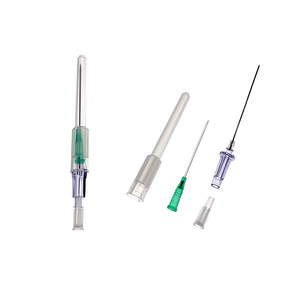
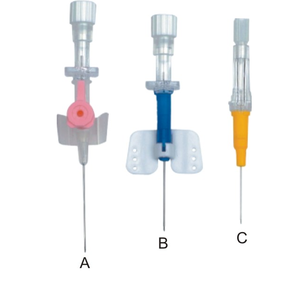
The global market for medical protective equipment and intravascular administration sets is undergoing a structural transformation. Driven by stringent healthcare infection control protocols post-pandemic, hospital purchasing authorities and international medical distributors are shifting their supplier selection criteria from pure unit-cost economics toward verifiable manufacturing quality, raw material purity, and robust regulatory compliance. China stands as the world's primary industrial engine for medical latex gloves, synthetic barrier solutions, and peripheral vascular access products, offering unmatched supply chain integration, automated dipping technology, and cleanroom sterilisation infrastructure.
Information Gain Insight: Modern high-speed latex dipping lines in China operate at double-former speeds exceeding 28,000 gloves per hour per line, utilizing online leaching tanks and automated micro-pinhole detection systems to achieve batch failure rates below 0.15%—significantly outperforming legacy dipping processes across Southeast Asia.
When procuring latex gloves and associated medical disposables for hospital supply networks, buyers must align specifications with target market regulatory directives. Natural rubber latex (NRL) examination gloves undergo continuous online chlorination or polymer coating to eliminate tackiness and reduce extractable antigenic protein levels. The table below outlines the core regulatory benchmarks governing high-quality latex glove manufacturing in China’s top-tier facilities.
| Performance Standard | EN 455 (European Union) | ASTM D3578 (United States) | ISO 11193-1 (International) | Factory Internal QC Standard |
|---|---|---|---|---|
| Freedom from Holes (AQL) | AQL ≤ 1.5 (G-I Sampling) | AQL ≤ 1.5 (Pinhole test) | AQL ≤ 1.5 (Water leak test) | AQL ≤ 1.0 Dual-Screened |
| Tensile Strength (Unaged) | ≥ 6.0 N (Force at Break) | ≥ 18.0 MPa | ≥ 18.0 MPa | ≥ 21.0 MPa (Enhanced) |
| Elongation at Break | N/A (Evaluated via Force) | ≥ 650% | ≥ 650% | ≥ 720% (Ultra-Stretch) |
| Extractable Protein Content | ≤ 50 µg/g (EN 455-3) | ≤ 50 µg/dm² (ASTM D5712) | ≤ 50 µg/g | < 30 µg/g Low-Allergen |
| Sterilization Validation | ISO 11135 (EO Sterilization) | FDA 510(k) Cleared | ISO 11137 (Gamma) | 10⁻⁶ SAL Validated |
As healthcare systems transition toward zero-harm patient safety frameworks and eco-conscious procurement, top Chinese latex glove manufacturers and medical disposable suppliers are driving four critical technological innovations:
Implementation of extended multi-stage continuous hot-water leaching tanks (over 120 meters in length) coupled with enzyme washing protocols. This process strips residual Type I natural latex proteins down to undetectable thresholds, virtually eliminating Type I latex allergy risks for surgical teams.
Bundling powder-free latex procedure gloves directly with sterile IV access components, safety IV cannulas, 3-way stopcocks, and DEHP-free infusion lines into single-use tray kits. This reduces packaging waste, ensures sterility matching, and streamlines hospital supply handling.
Replacing manual air inflation checks with high-speed automated machine-vision inspection units. Every single glove is electro-statically and visually scanned for micro-pores, micro-tears, and cuff thickness irregularities prior to automatic box packaging.
For procurement directors managing institutional medical tenders, navigating vendor selection requires analyzing total cost of ownership (TCO) beyond initial FOB quote comparisons. Key macro-sourcing shifts include:
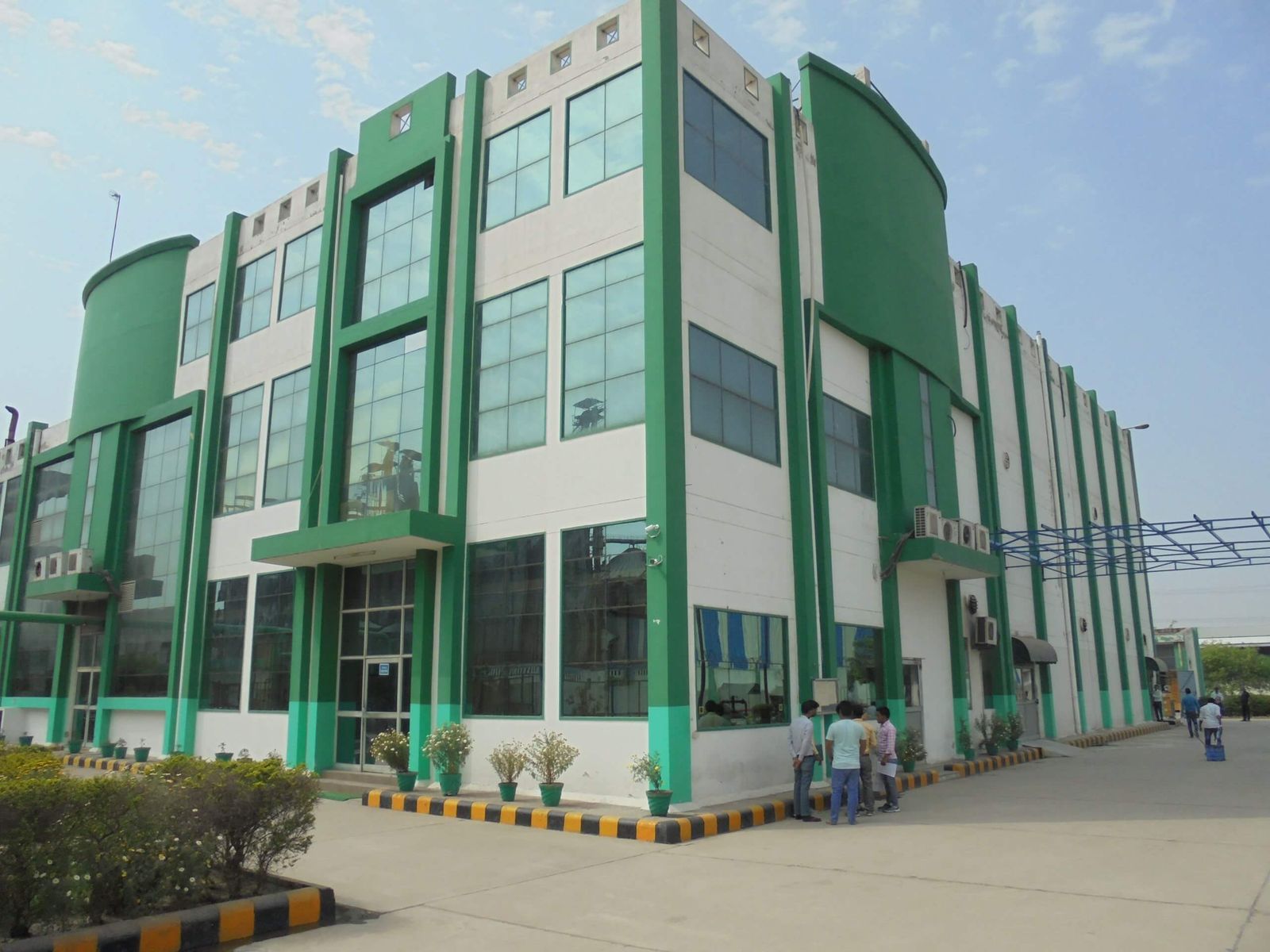
Our integrated production complex features Class 100,000 (ISO Class 8) controlled cleanrooms dedicated to assembly, pouch sealing, and packaging. With automated dipping lines for latex examination gloves and high-precision injection molding machinery for intravenous catheters and stopcocks, we maintain total control over material formulation, wall thickness consistency, and biological safety.
Every single production lot undergoes rigorous bioburden testing, residual ethylene oxide gas analysis, and mechanical stress testing prior to release, guaranteeing zero-defect performance in hospital ICUs, operating theaters, and emergency clinics.
Combining engineering mastery with responsive global client support for medical brands, healthcare distributors, and tender contractors.
Complete custom artwork engineering, multilingual instructions for use (IFU), customized inner dispenser boxes, master carton branding, and UDI barcode printing ready for Amazon, retail, or hospital distribution.
Immediate access to CE Certificates, ISO 13485:2016 Quality System documentation, EC Declarations of Conformity, Certificates of Free Sale (CFS), and batch-specific Certificates of Analysis (CoA).
Seamless execution of FOB, CIF, CFR, and DDP shipments via major sea ports (Shanghai, Ningbo, Qingdao) or air freight hubs, supported by consolidated container loading protocols.
Essential operational and technical information for medical disposable importers and hospital purchasers.
Powdered latex gloves use cornstarch USP powder to facilitate donning, but are increasingly restricted in clinical environments due to starch-induced tissue inflammation and allergen transfer. Powder-free latex gloves are rendered non-tacky through online chlorination (washing gloves in dilute chlorine solution) or polymer coating. Chlorination strips surface proteins and provides a smooth donning feel, making chlorinated powder-free latex gloves the gold standard for surgical and examination environments.
Our manufacturing plants operate under an ISO 13485:2016 certified quality management system. Latex gloves comply with EN 455 (Parts 1, 2, 3, 4), ASTM D3578, and ISO 11193. Intravenous cannulas and safety IV catheters comply with ISO 10555-1/5, ISO 80369-7 (Luer connectors), and hold CE certification under European MDD/MDR directives. Every shipment is accompanied by a batch Certificate of Analysis (CoA) and ethylene oxide sterilisation validation records.
Yes. We specialize in comprehensive OEM and private-label manufacturing. Buyers can specify custom box dimensions, graphic design, branding, barcode types (GS1 DataMatrix, EAN-13), and multilingual text. For IV cannulas and protective gloves, you can mix sizes (e.g., 18G, 20G, 22G, 24G cannulas alongside S, M, L, XL gloves) within a single consolidated container to match regional market demand.
For neutral standard-pack catalogue items, minimum orders start at 100 master cartons or 1 mixed pallet. For customized private-label OEM programs, the typical MOQ is 500 master cartons per SKU to justify custom printing cycles. Standard production lead time for repeat orders is 20 to 30 days following artwork approval and deposit confirmation.
Our safety IV cannulas feature a passive, automatic needle-shielding mechanism. Upon withdrawing the stylet from the catheter hub, an integrated metal safety clip automatically encapsulates the sharp needle tip. This requires no extra steps by healthcare workers, preventing accidental needle pricks and blood-borne pathogen exposure in busy clinical environments.
Medical latex gloves should be stored in their original packaging in a cool, dry place at temperatures between 10°C and 30°C (50°F to 86°F), away from direct sunlight, fluorescent lighting, ozone sources, electric motors, and heat sources. Proper storage maintains material elasticity, tensile strength, and pinhole integrity for up to 5 years from the date of manufacture.
Request technical specifications, sample kits, or customized wholesale quotation tailored to your regional market requirements.
Inquire Now