Technology Horizons
Next-Generation Surgical PPE: Industry Development Trends
As healthcare systems shift toward sustainable procurement and specialized patient outcomes, China’s surgical mask factories are pioneering several critical technology transitions expected to dominate global purchasing itineraries from 2026 to 2030.
1. Transition to Eco-Friendly & Bio-Based Nonwovens
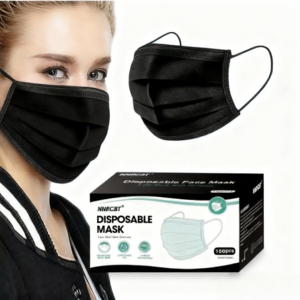
Environmental regulations, particularly in the European Union (EU Plastic Strategy) and North America, are pushing medical disposable buyers toward sustainable alternatives. Leading Chinese exporters are now mass-producing surgical masks using Polylactic Acid (PLA) nonwovens and bio-based Polypropylene. PLA spunbond layers are 100% industrially compostable, significantly lowering the carbon footprint of hospital incinerators while retaining full fluid-repellency and biocompatibility standards (ISO 10993-5/10).
2. Advanced Nanofiber Composite Filtration Layers
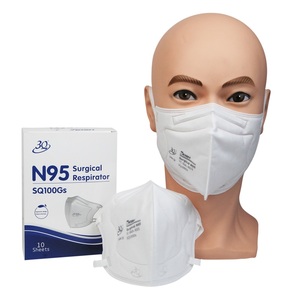
While traditional meltblown nonwovens rely heavily on electrostatic charge—which can gradually decay in high-humidity operating environments—next-generation surgical respirators incorporate electrospun nanofiber membranes. With fiber diameters ranging between 100 to 300 nanometers, nanofiber layers provide mechanical filtration capability against micro-pathogens down to 0.05 microns while reducing overall breathing resistance (ΔP) by up to 30% compared to traditional 5-ply respirators.
3. Post-Surgical Healing & Active Skin-Care Hybrids
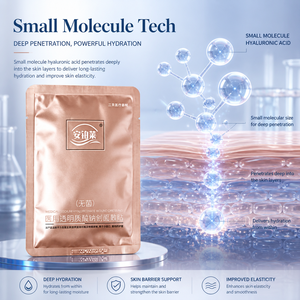
Following plastic surgery, facial reconstruction, or dermatological laser procedures, standard nonwoven surgical masks can cause mechanical friction and tissue dehydration. Innovations such as Sodium Hyaluronate-infused sterile bio-dressing masks bridge the gap between personal protective equipment and post-operative medical devices. By forming a sterile, moist, biocompatible barrier enriched with hyaluronic acid, these specialized dressings calm cutaneous erythema, promote cell re-epithelialization, and protect surgical wounds from airborne bacterial inoculation.
4. Integrated Optical Anti-Fog & Splash Shield Ergonomics
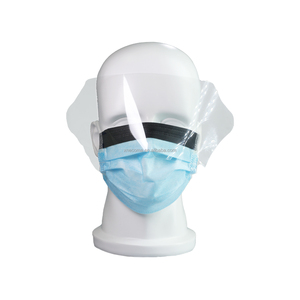
Visual clarity is crucial during complex surgical resections. Traditional anti-fog coatings on face shields frequently break down under high operating room humidity. Advanced export suppliers are introducing co-extruded anti-fog PET shields paired with closed-cell polyurethane anti-fog nose cushions. This structural configuration prevents exhaled warm air from channeling upward, protecting surgeons' optics and surgical microscopes from condensation.